Recliner for Back Support: What Actually Works and What to Avoid
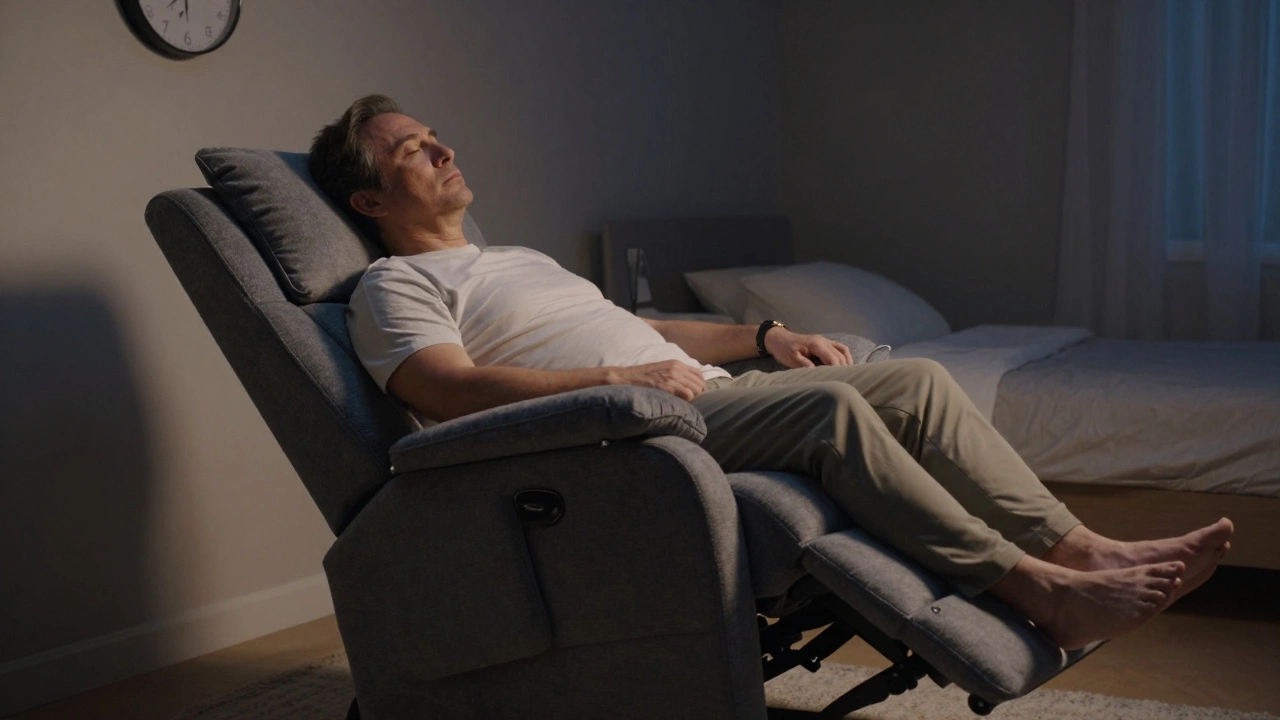
When you’re searching for a recliner for back support, a chair designed to reduce spinal pressure and promote healthy posture while seated. It’s not just about cushioning—it’s about structure. Many people buy recliners thinking comfort equals support, but that’s a trap. A good recliner for back support doesn’t just let you sink in—it holds you in the right position, keeps your spine aligned, and takes pressure off your discs and muscles.
What makes a recliner actually help your back? It needs three things: lumbar support, a curved, adjustable section that fits the natural arch of your lower spine, proper seat depth, enough room for your thighs without cutting off circulation behind your knees, and reclining angle, ideally between 110 and 135 degrees to reduce disc pressure. A recliner that lets you lean too far back forces your spine into a C-curve, which is worse than sitting upright. And if the armrests are too low, you’ll hunch. Too high? Your shoulders tighten up. These aren’t small details—they’re the difference between relief and more pain.
People with degenerative disc disease, sciatica, or chronic lower back pain don’t just need a soft chair—they need a biomechanical tool. That’s why brands like Lazy Boy and others that use hardwood frames and high-density foam last longer and hold shape better. Memory foam alone won’t cut it if the frame sags after six months. And if your recliner doesn’t have a mechanism that lets you adjust the footrest and back independently, you’re missing out on true customization. Your body isn’t one-size-fits-all, so why should your chair be?
You’ll find posts here that break down exactly what to look for in the frame, cushion density, and fabric. Some explain why leg pain happens even in a chair meant to help you. Others compare recliners for seniors, show how posture affects spinal health, and reveal the hidden design flaws in cheap models. There’s no fluff here—just real-world testing, expert advice, and the kind of practical tips you won’t find in a marketing brochure. Whether you’re shopping for the first time or trying to fix an existing chair that’s making things worse, what follows will help you make a decision that actually matters.