Protect Furniture: Easy Ways to Keep Your Pieces Safe

Got a favorite sofa, a wooden table, or a set of cabinets you don’t want to see ruined? The good news is you don’t need a pricey specialist to keep them safe. With a few smart habits you can stop warping, mold, and pest damage before they start.

Store Smart, Not Hard

First thing’s first – where you store furniture matters a lot. If you have to keep a piece in a garage, basement, or a storage unit, pay attention to temperature and humidity. Wood loves a steady climate; big swings make it expand and shrink, which leads to cracks and warping. Aim for a space that stays around 60‑70°F with 40‑55% humidity. If you can’t control the climate, use a dehumidifier or silica packs inside the storage box.

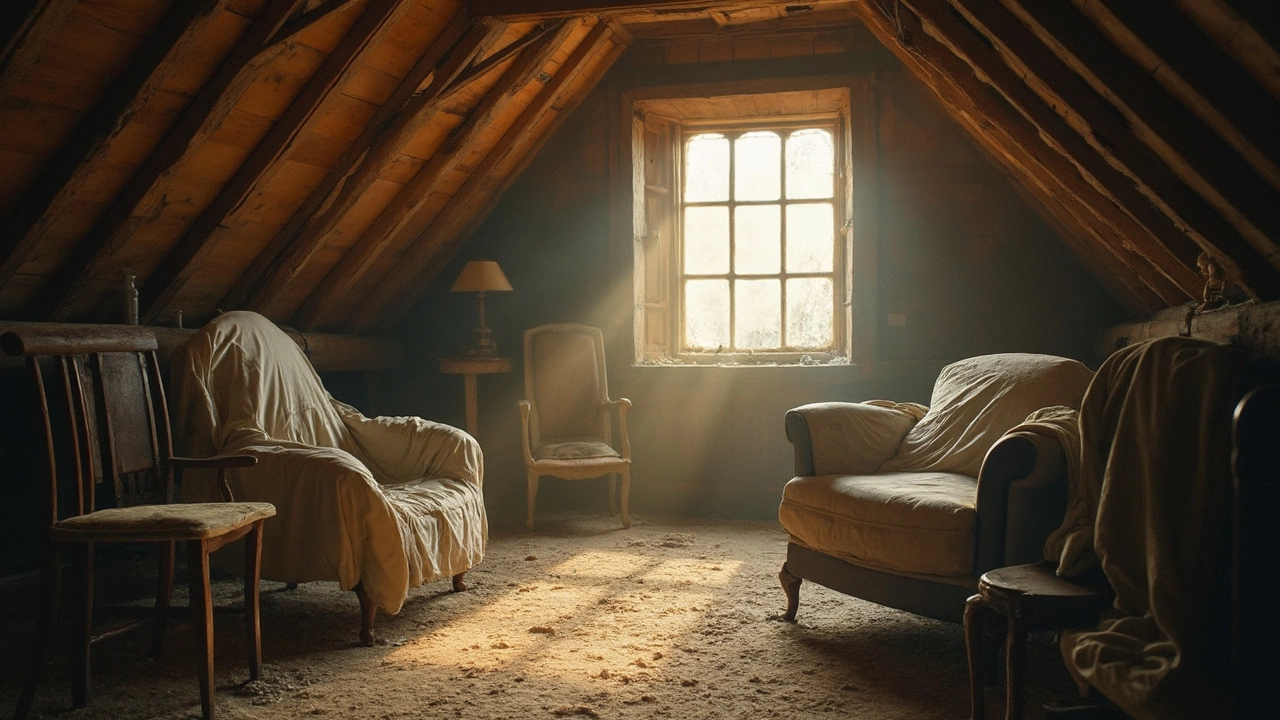
Covering furniture with breathable covers (like cotton sheets) is better than plastic. Plastic traps moisture, which invites mold and mildew. For upholstered pieces, a light fabric cover keeps dust off without suffocating the fabric.

Fight Mold and Mildew Before They Move In

Mold is a silent enemy, especially for sofas and wooden items stored in damp places. Before you store anything, give it a good clean. Use a mix of water and a little white vinegar for wood, and a mild detergent for fabrics. Let everything dry completely – a fan can speed up the process.

If you suspect your storage area is humid, sprinkle baking soda in corners. It absorbs excess moisture and helps keep the air dry. For added protection, spray a light mist of a natural antifungal solution (like tea tree oil diluted in water) on wood surfaces. It smells fresh and won’t damage the finish.

When you pull furniture out of storage, inspect it right away. Look for any soft spots, discoloration, or a musty smell. If you spot mold, scrub the area with a solution of one part bleach to three parts water, then rinse and dry thoroughly. For fabric, a professional cleaning might be worth it if the mold is deep.

Another quick win is to keep furniture away from the floor. Use pallets, wooden blocks, or rubber mats to create a barrier from cold concrete. This helps prevent cold from seeping into the wood and causing cracks.

Lastly, remember that pests love hidden spots. Mice and insects can chew through wood and fabric. Place mint leaves or a few drops of peppermint oil around storage areas – they dislike the scent and tend to stay away.

By following these simple steps – controlling climate, using breathable covers, cleaning before storage, and adding a few natural protectors – you’ll extend the life of your furniture and keep it looking great for years.

Best Ways to Cover Furniture in Storage

Best Ways to Cover Furniture in Storage

Desmond Lockwood Apr. 12 0

When storing furniture, it's not just about fitting items into a space; it's ensuring they stay in good shape. Covering furniture properly prevents dust, moisture, and pests from wreaking havoc. Discover essential tips and materials suited for different types of furniture. Learn how to make the most of your storage solutions while keeping your possessions safe and sound.

More Detail
Does Furniture Mold in Storage? Tips to Keep Yours Safe

Does Furniture Mold in Storage? Tips to Keep Yours Safe

Desmond Lockwood Feb. 22 0

Storing furniture can often lead to unexpected issues, like mold. This article explores why mold develops, the conditions that exacerbate it, and practical steps to prevent it. By understanding these factors, you can keep your furniture safe and mold-free during storage. Let's dive into some effective tips and tricks to winter-proof your stored items.

More Detail
Recent posts
Prevent Mold: Keep Your Furniture Safe and Fresh

Mold growth on furniture can be both unsightly and damaging. To keep your furniture in top condition, it's important to understand the causes of mold growth and the steps you can take to prevent it. This article explores effective strategies for maintaining your furniture's appearance and integrity by managing humidity, ensuring proper ventilation, and selecting the right materials and cleaners. Discover practical tips and insights to safeguard your furniture from unwanted mold.

Choosing the Best Anchor for Securing Your Bookcase

Anchoring a bookcase is crucial for preventing accidents, especially in homes with children and pets. This article explores different types of anchors, such as anti-tip brackets and wall studs, providing guidance on choosing the best option for your bookcase. It offers tips for installation and discusses how to enhance the safety and stability of your bookcase. Learn about the importance of choosing the right location and material for your bookcase anchor in order to ensure it serves its function effectively.

Does a Coffee Table Have to Be in the Middle of the Room?

Wondering if your coffee table needs to claim the center of your living room? This article cuts through tradition and unpacks how coffee tables can work outside the usual middle-of-the-room setup. You'll get practical advice on placement, surprising benefits of breaking the rules, and easy tips to keep your space both functional and stylish. Rethink your layout and find inspiration to fit your own lifestyle, not just someone else’s Instagram. Discover how flexible these little tables can really be.

About Us

Storage Furniture