Prevent Damage: Simple Steps to Keep Your Furniture Safe
Ever walked into a room and seen a warped table leg or a musty couch and wondered what went wrong? Most of the time it’s not a big mystery – it’s just a habit or a missing piece of knowledge. Below you’ll find straight‑forward advice you can use right now to keep wood, upholstery, and even your TV setup from getting ruined.
Smart Storage and Climate Control
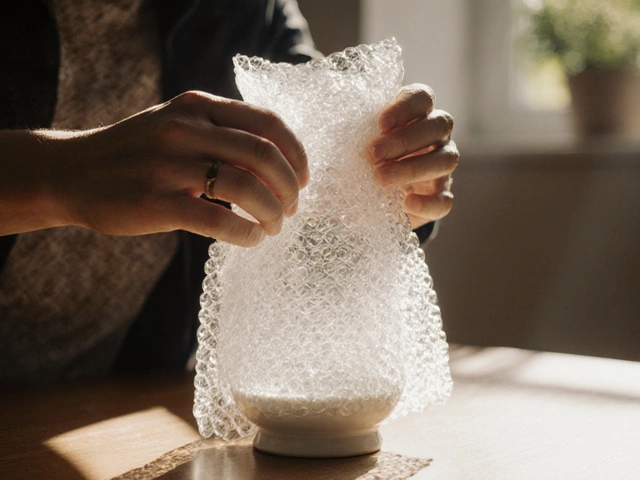
Temperature swings and humidity are the silent enemies of wood furniture. If you store a heirloom chest in an unheated garage, the wood will absorb moisture, swell, and eventually crack. The easiest fix is to choose a climate‑controlled space – a dry closet, a heated basement, or a storage unit with humidity control. If those options aren’t available, use a dehumidifier or silica gel packs inside the furniture’s drawers and cabinets. Wrap each piece in breathable cotton sheets rather than plastic; plastic traps moisture, while cotton lets the wood breathe.
When you have to move furniture, protect it with moving blankets and avoid stacking heavy items on top of delicate pieces. Heavy weight can cause permanent dents or distort the grain. A quick tip: place a piece of plywood under any load to spread the pressure evenly.
Everyday Habits That Stop Mold, Warping, and Wear
Mold loves damp corners, especially on sofas and cushions that sit in basements or near leaky windows. Keep the room well‑ventilated – open a window for a few minutes each day or run a fan to circulate air. If you notice a musty smell, wipe the surface with a mixture of equal parts water and white vinegar, then let it dry completely. For tougher spots, a solution of 70% isopropyl alcohol works wonders without damaging fabric.
Choosing the right paint colors for walls can also protect your home’s value. Warm whites and greiges stay neutral and hide minor imperfections, while a bold front‑door hue like deep navy signals upkeep and can boost curb appeal. When it comes to TV placement, wall‑mounting saves floor space and reduces the chance of accidental bumps that could crack the screen. Just make sure the wall can support the weight and use a proper VESA‑compatible mount.
Upholstered pieces benefit from regular rotation. Flip and rotate cushions every few weeks to even out wear. A simple vacuum with an upholstery attachment removes dust that can hold moisture and eventually nurture mold. For wooden tables, apply a thin coat of mineral oil or a quality wax every six months; this creates a barrier against spills and humidity.
If you own a sofa you plan to store, clean it thoroughly first. Remove any crumbs or spills, let it dry, then cover it with a breathable fabric cover. Never put a sofa straight into a plastic bag – the trapped air will cause mildew within weeks.
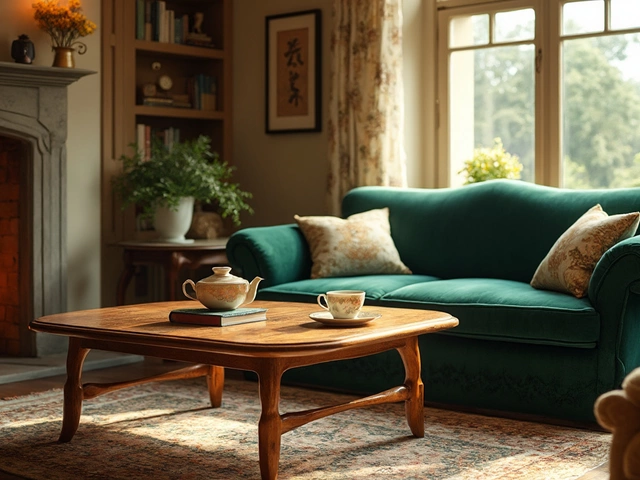
Finally, think about the layout of your living room. Placing a sofa directly under a window can expose it to drafts, causing the frame to contract and expand – a quick recipe for cracks. Keep furniture a few inches away from heat sources like radiators or fireplaces; heat can dry out wood and cause it to split.
By tweaking where you store things, managing moisture, and handling everyday wear with a few simple habits, you’ll keep your furniture looking fresh for years. No need for expensive restorations – just a bit of common sense and the right tools.