Practical Furniture Tips for Everyday Living
Got furniture you love but worry about wear and tear? You’re not alone. Below are straight‑forward tricks that keep your pieces looking good and working well for years. No jargon, just real‑world steps you can start using today.
Protecting Your Pieces
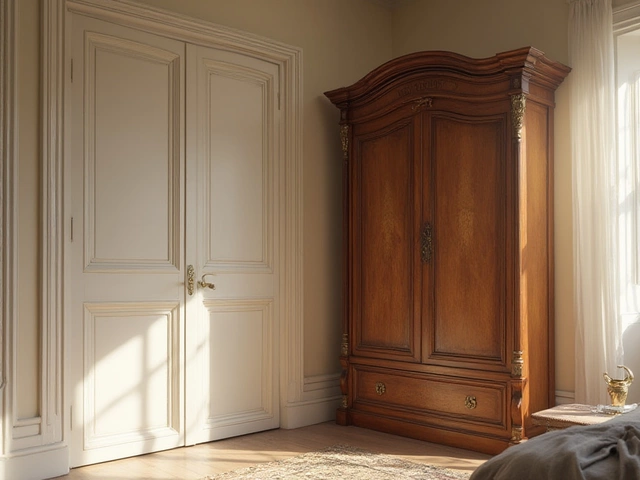
First up, where you store things matters a lot. Putting wood furniture in an unheated garage? Expect warping, moisture damage and nasty mold. If you have no choice, wrap each item in breathable fabric covers and keep a dehumidifier running nearby. For sofas and cushions, avoid damp basements – a dry, temperature‑stable space is key.
Got a storage unit? Choose climate‑controlled units whenever possible. Temperature swings and high humidity are the biggest culprits behind wood splitting and fabric mildew. If you can’t get a climate‑controlled spot, invest in silica gel packs and check the unit every few weeks.
What about your front door? A bold black or navy paint not only boosts curb appeal but also adds resale value. Warm whites and greige inside create a neutral backdrop that buyers love. Simple color choices pay off when you decide to sell.
Choosing the Right Materials
Durability starts at the material level. Outdoor furniture that claims to be “indestructible” usually means powder‑coated aluminum, teak, or UV‑stable resin. These stand up to rain, sun and accidental bumps far better than cheap plastic frames.
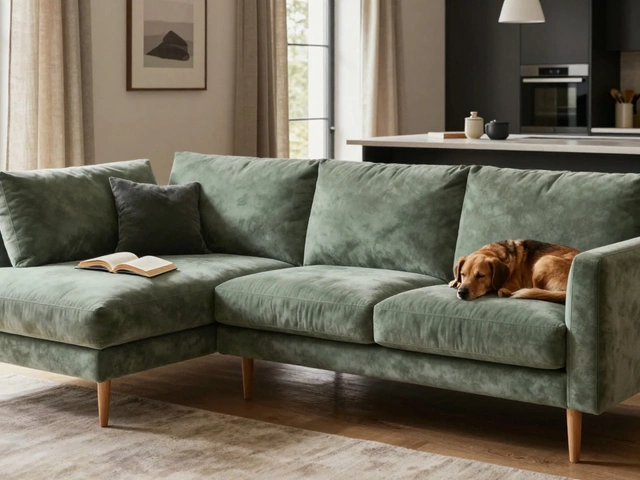
When buying a sofa, look beyond the price tag. A $2,000 sofa can be worth it if the frame is kiln‑dried hardwood and the cushions use high‑density foam. Cheaper sofas often use particle board and low‑grade foam that flatten in months. Test the frame by pressing on the armrests; it should feel solid, not floppy.
Office chairs are another hidden expense. A good chair lasts 5‑7 years with proper care. Check the base, casters and adjustment levers before you buy. Leather or mesh backs breathe better and tend to age gracefully, while cheap plastic can crack under constant use.
For coffee tables, wood thickness matters. A tabletop under 1 inch may wobble over time; aim for at least 1.5 inches for stability. If you love a sleek look, choose a sturdy hardwood like oak or walnut. It adds weight, which means the table stays put even when kids jump on it.
Lastly, when it comes to placement, don’t feel forced to put a coffee table in the exact center of the room. Shift it a few inches toward the seating area for easier reach and a more relaxed vibe.
These practical tips help you protect, choose and arrange furniture in ways that save money and hassle. Want more ideas? Browse our tag archive for deeper dives on mold removal, TV mounting, and budget‑friendly sofa care. Your home will thank you.