Furniture Placement Tips You Can Start Using Today
Ever feel like your living room just doesn’t work? Maybe the sofa blocks the doorway, the TV sits too low, or the coffee table is always in the way. The good news is you don’t need to buy new pieces – just move the ones you already have. Below are simple, real‑world tricks that let you rearrange rooms without hiring an interior designer.
Living Room Layout Basics
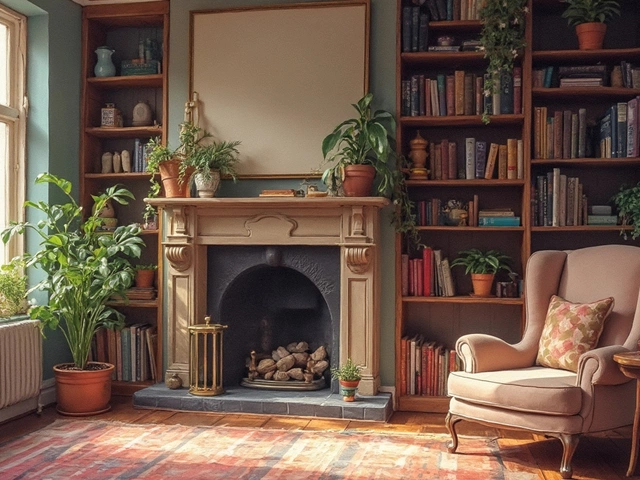
Start with the focal point. In most homes that’s the TV or a fireplace. Place the TV at eye level when you’re seated – usually about 42‑48 inches from the floor – and keep it at least 2.5 times the screen width away for a comfortable view. If a wall mount works, go for it; a stand can be great for storage but make sure it doesn’t crowd the room.
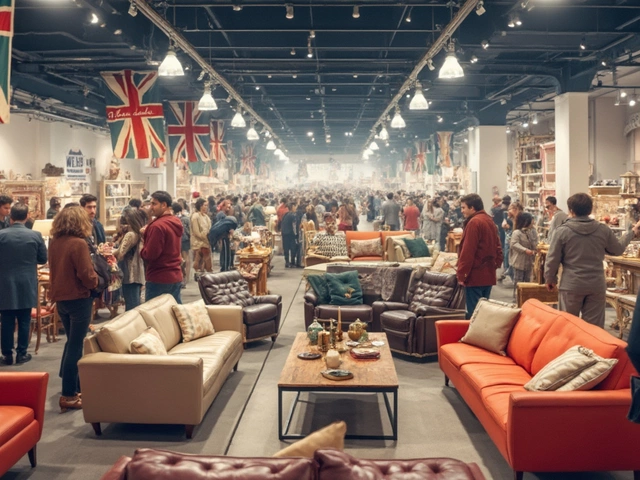
Next, think about sofa placement. Put the sofa opposite the focal point, leaving at least 2‑3 feet of walking space behind it. Avoid placing it directly under a window unless the view is a perk. A small side table at each end creates balance and gives you a place for drinks without cluttering the coffee table.
Now the coffee table. It should sit roughly half the height of your sofa and be close enough to reach (no more than 18 inches from the sofa edge). If you have a round table, you can angle it slightly off‑center for a more relaxed vibe. Remember, the table isn’t a wall – you can push it aside when you need extra walking room.
Smart Placement for Bedrooms and Storage
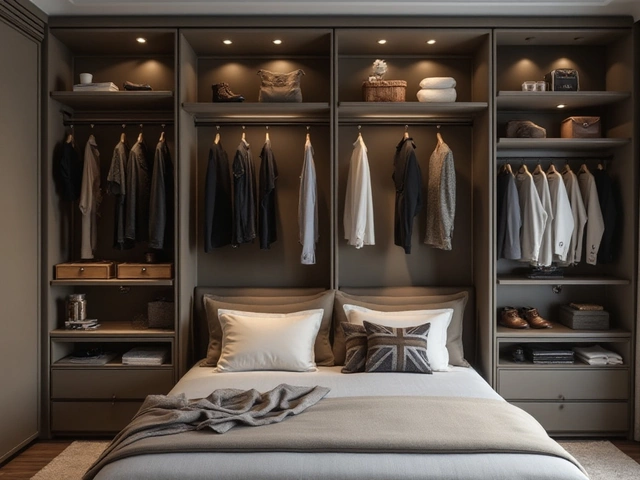
In bedrooms, the bed is the anchor. Position it against the longest wall, away from the door, and keep at least a foot of clearance on each side for easy access. Nightstands on both sides give symmetry and a place for a lamp or book. If you have a TV in the bedroom, mount it on the wall opposite the bed or use a low‑profile stand that doesn’t dominate the space. Keep cables hidden with cable clips – a tidy setup feels more relaxing.
When it comes to storage furniture like wardrobes or cabinets, think about airflow. Avoid pushing them flush against exterior walls in colder rooms; a half‑inch gap lets moisture escape and prevents mold. For garages or storage units, use climate‑controlled spaces if possible, and wrap wood pieces in breathable covers instead of plastic.
Finally, test your layout. Walk through the room, sit on the sofa, and make sure you can move around without bumping into anything. Small tweaks – like shifting a chair a few inches – can make a huge difference in how open the space feels.
By focusing on the main pieces first, keeping pathways clear, and balancing height and distance, you’ll turn any room into a functional, inviting area without spending a penny on new furniture. Try these moves this weekend and notice the change right away.