Pest Control Tips to Safeguard Your Home and Furniture
Got a creeping feeling that something’s gnawing at your couch or leaving tiny footprints on the floor? You’re not alone. Pests love hiding in furniture, closets, and the gaps most of us ignore. The good news? You can tackle the problem yourself with a few practical moves. No need for expensive services or harsh chemicals—just common‑sense steps that work.
Identify Common Household Pests
The first step is spotting who’s invading. Mice and rats leave droppings, gnaw marks, and a faint musky smell. Cockroaches hide in dark corners behind appliances, while silverfish love damp places like basements or bathrooms. Mold isn’t a bug, but it thrives on moisture and can make furniture smell musty. Look for black spots on wood, a sour odor, or warped surfaces. Once you know what you’re dealing with, you can pick the right defense.
Prevention Strategies for Furniture
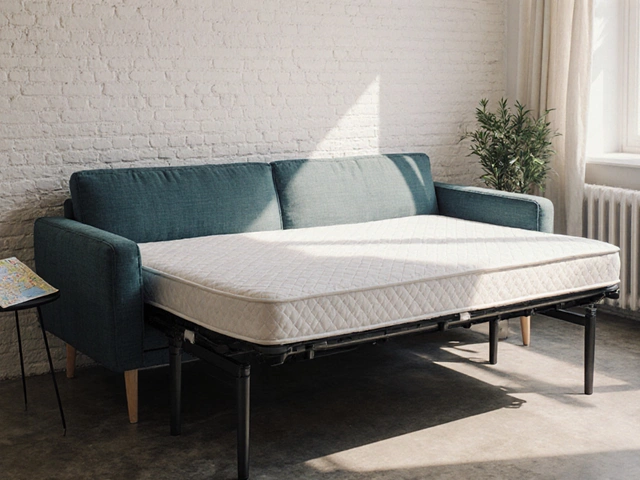
Prevention beats treatment every time. Start by sealing gaps around doors, windows, and baseboards with caulk—pests can’t squeeze through a tight fit. Keep furniture off the floor when possible; use four‑legged stands that allow air flow underneath. If you store pieces in a garage or attic, add silica packets or dehumidifiers to keep humidity low and stop mold from forming. Regularly vacuum upholstery and brush away dust; crumbs are a free buffet for insects and rodents.
Safe DIY Treatments
When you spot a problem, act fast with simple, non‑toxic solutions. For mice, place snap traps or reusable catch‑and‑release traps along walls where you’ve seen activity. Sprinkle baking soda mixed with powdered sugar in cupboards to deter cockroaches— they eat the sugar and the soda kills them. To kill mold on wood, wipe the area with a 1:1 mix of white vinegar and water, let it sit for 10 minutes, then dry thoroughly. Always wear gloves and a mask when handling any cleaning solution.
Remember, consistency is key. Check traps daily, rotate furniture positions every few months, and keep humidity below 60 % using a hygrometer. If an infestation gets out of hand—say you see dozens of rodents or a spreading black‑spot mold—don’t hesitate to call a professional. The right intervention early can save you from costly repairs later.
By staying observant and following these straightforward steps, you’ll keep pests away from the things you love. Your sofa stays fresh, your wood tables stay sturdy, and you breathe easier knowing your home isn’t a pest playground. Ready to put these tips into action? Grab a caulk gun, a few traps, and start protecting your space today.