Patio Furniture Comparison: What Works Best for UK Homes
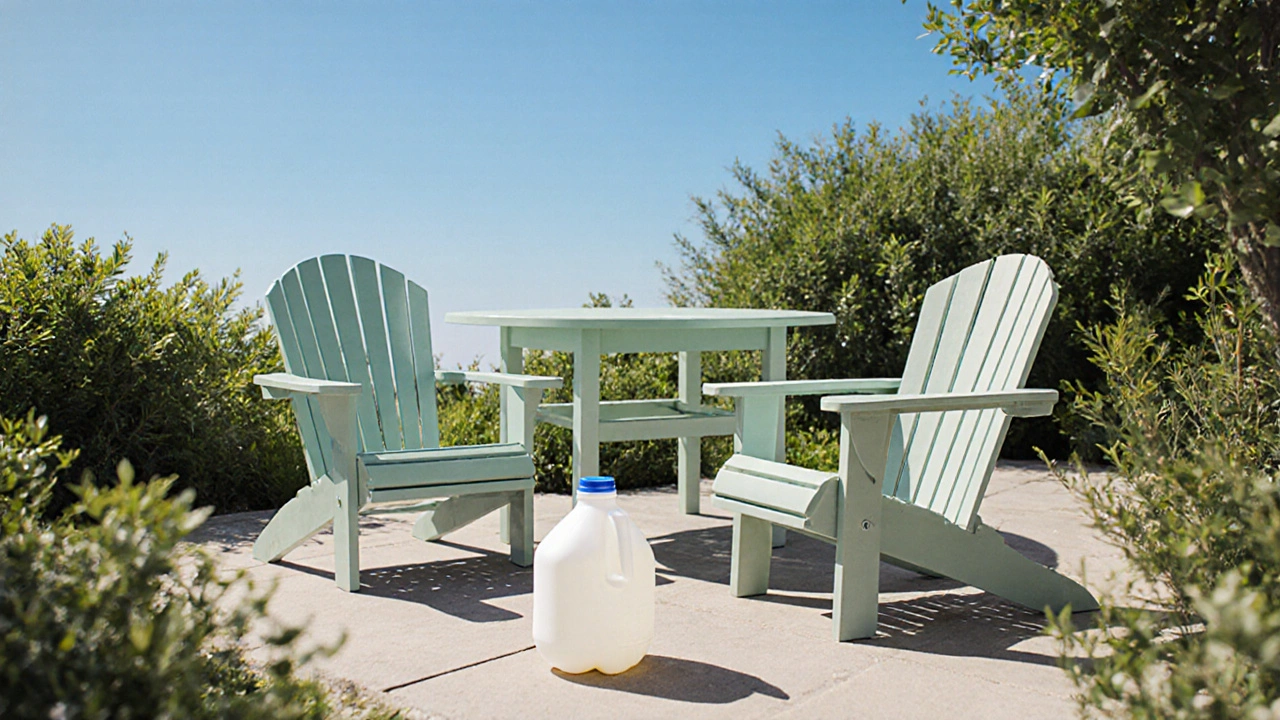
When you're buying patio furniture, outdoor seating designed to endure rain, wind, and sun without falling apart. Also known as garden furniture, it needs to handle the UK’s unpredictable weather—not just look nice on a sunny afternoon. Too many people buy cheap sets that warp, rust, or fade within a year. The real question isn’t just style—it’s durability. What materials actually survive British winters? Which frames won’t sag after one season of rain? And how do you tell if a cushion is truly weather-resistant or just marketed that way?
Teak, a dense hardwood that naturally repels moisture and resists rot is a top choice for frames. It doesn’t need paint or sealant, and it weathers to a soft silver. Powder-coated aluminium, a lightweight metal treated with a protective layer that prevents rust is another winner—especially if you live near the coast. Avoid untreated steel or cheap plastic. Steel rusts fast in damp air, and flimsy plastic cracks in freezing temps. Then there’s the fabric. Look for solution-dyed acrylic or Sunbrella-grade material. These don’t fade under UV light and dry quickly after rain. Cushions with drainage holes? Non-negotiable. If water sits inside, mold grows. And mold means replacing everything sooner than you thought.
It’s not just about the frame and fabric. Think about weight. Heavy pieces stay put in wind, but are hard to move. Light sets are easier to store in winter but can blow over. Some people overlook the importance of leg height. If your patio isn’t perfectly level, low-slung chairs can feel unstable. And don’t forget storage. Even the best patio furniture lasts longer if you cover it or bring it in during storms. A good weather-resistant furniture, outdoor pieces built to handle moisture, temperature shifts, and sunlight without degrading isn’t about being the most expensive—it’s about being the right fit for your space and climate.
You’ll find plenty of posts below comparing real-world options—from budget-friendly sets that last longer than expected to premium pieces worth the investment. Some focus on how different materials handle UK rain. Others break down which styles actually work in small gardens. A few even show how to clean and maintain your furniture so it doesn’t look worn out after two seasons. This isn’t about trends. It’s about making sure your outdoor space stays comfortable, safe, and looking good year after year—without spending twice as much as you should.