Packing Materials for Furniture: Protect, Move, Store
When working with Packing Materials, the supplies you use to wrap, cushion, and secure items during transport or storage. Also known as protective packaging, they help keep furniture looking new and prevent costly damage.
Choosing the Right Protective Supplies
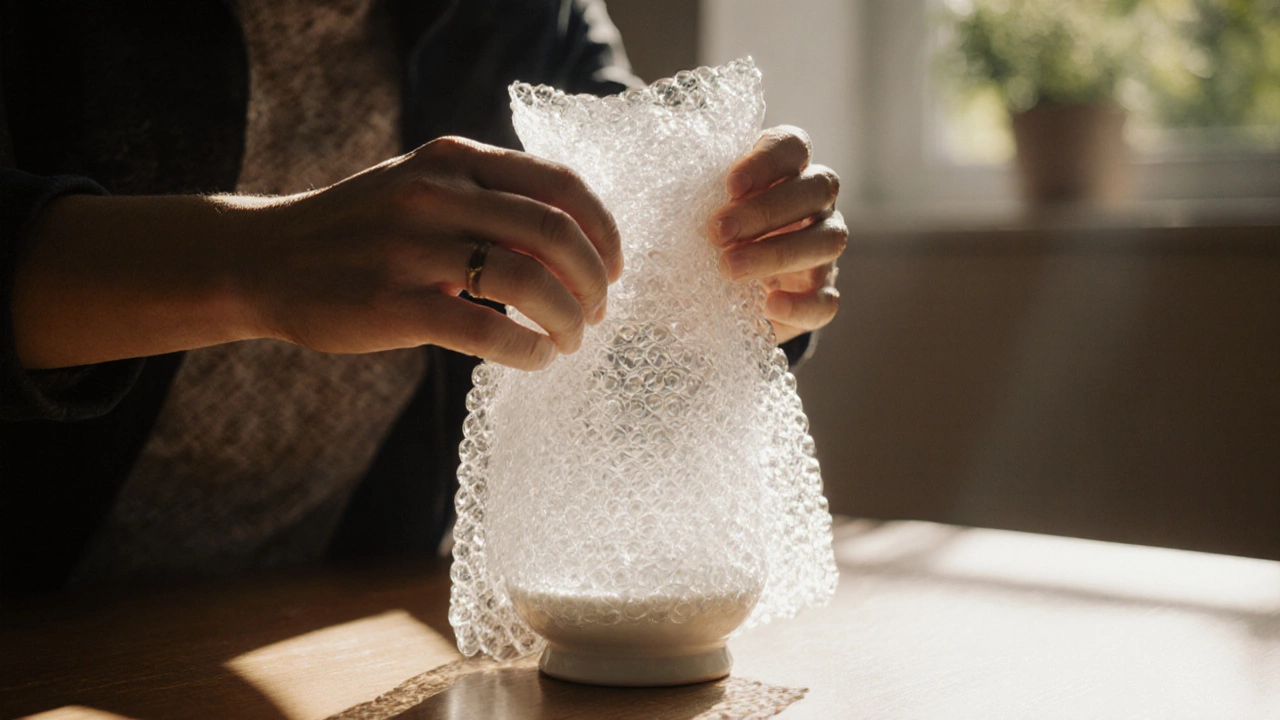
One of the most versatile items is Bubble Wrap, a thin plastic film filled with air pockets that absorbs shocks. Its lightweight nature makes it ideal for fragile legs, glass shelves, or delicate carvings. Pair it with Moving Blankets, thick, padded fabric covers that shield larger surfaces from scratches and dents, and you have a two‑layer defence that reduces the risk of impact damage.
Corrugated Boxes, sturdy cardboard containers with fluted layers for strength are perfect for smaller components like drawer pulls, upholstery samples, or disassembled legs. When you choose a double‑wall box, the attribute “high crush resistance” translates into a value of up to 30 psi, keeping contents safe even if the box is dropped.
Beyond these basics, consider mattress bags for sofas, wardrobe covers for open wardrobes, and foam peanuts for filling gaps inside crates. These items form a complete ecosystem that supports the central goal: preventing damage. For example, the semantic triple "Packing materials encompass bubble wrap" illustrates how each component fits into the overall protection strategy.
Why does this matter for you? If you’ve ever stored a wooden dining set in an unheated garage, you know that temperature swings and humidity can warp frames. Using proper protective packaging creates a barrier against moisture, as highlighted in our guide on storing wood furniture. Likewise, a well‑packed crate reduces movement inside a storage unit, lessening the chance of scratches that could degrade a handcrafted piece. In short, the right packing materials enable safe relocation, preserve wood grain, and extend the lifespan of bespoke furniture.
Below you’ll find a curated collection of articles that dive deeper into each aspect—whether you’re moving a senior recliner, arranging a corner sofa in a tight living room, or choosing the best quality sofa brand. These pieces will give you actionable tips, real‑world examples, and easy checklists to make sure every chair, table, or wardrobe arrives at its new home in perfect condition.