Open Closet Ideas, Design Tips & Storage Solutions
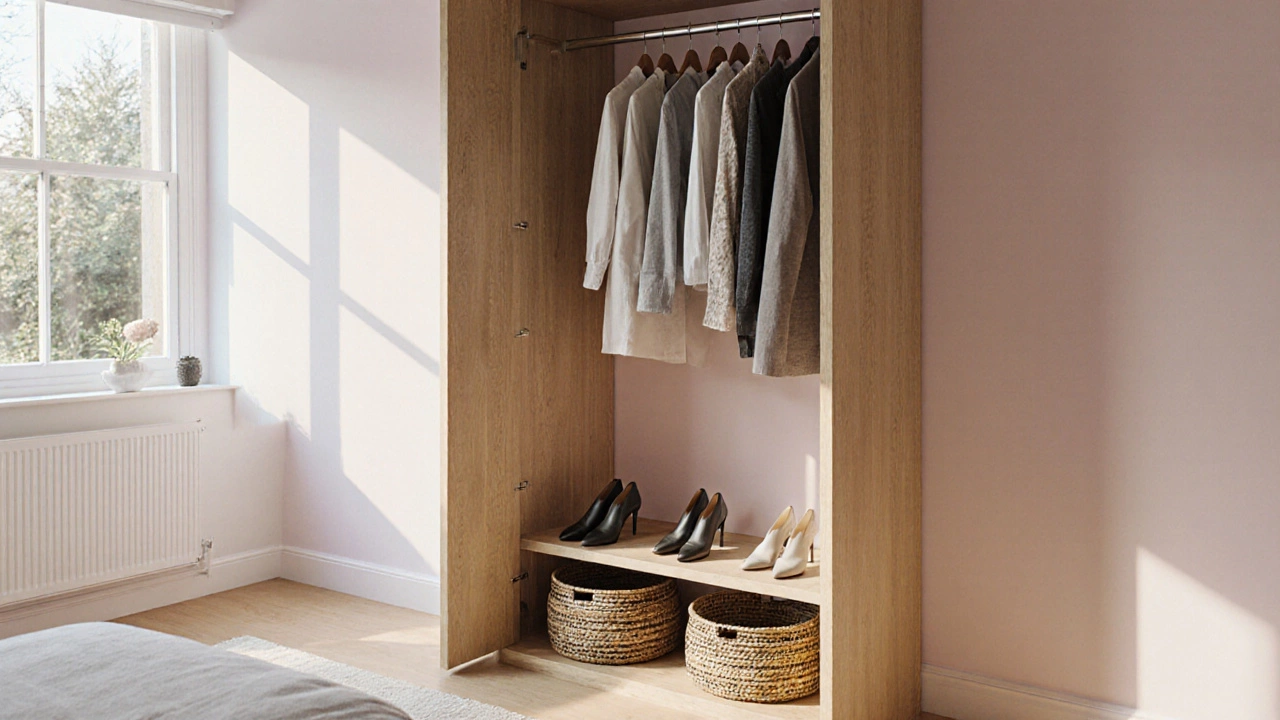
When working with open closet, a built‑in storage area with exposed shelving that showcases clothing and accessories. Also known as open wardrobe, it lets you see everything at a glance, speeding up outfit choices and adding visual interest to a room. Wardrobe, a closed storage unit with doors serves a different purpose, protecting items from dust and providing a cleaner line. Understanding these differences helps you pick the right piece for your space.
Why Choose an Open Closet?
An open closet is more than a display shelf; it’s a functional storage solution that encourages organization. Because the interior is visible, you’re less likely to forget items, which reduces clutter over time. It also creates a focal point in the room—think of a polished wooden grid or a sleek metal frame that matches your decor. When paired with good storage, systems like adjustable rods, dividers, and baskets, the open design becomes a versatile hub for shoes, bags, and seasonal pieces.
Open closets also support the closet organization mindset. By separating clothing into categories—tops, bottoms, accessories—you can spot gaps in your wardrobe and make smarter buying decisions. The visual feedback loop helps you keep only what you love and wear often. Adding a simple label or a colorful bin can turn the space into a boutique‑like experience, making daily routines smoother.
From a design perspective, an open closet works well in modern, industrial, or minimalist interiors. The exposed wood or metal can echo other architectural details, tying the room together. If you love a touch of vintage, consider pairing an open closet with an armoire, a freestanding, often ornate storage piece that can double as a decorative accent. The contrast between open display and closed storage creates depth and invites conversation.
Practically speaking, placement matters. An open closet near a dressing area or beside a mirror maximizes its utility. Avoid high‑traffic zones where the doors could bump into furniture. If space is limited, a wall‑mounted grid or a floor‑to‑ceiling shelving unit can provide the same openness without sacrificing floor area.
Materials influence both aesthetics and durability. Solid hardwood offers warmth and can be refinished, while powder‑coated steel gives an industrial edge and resists moisture. For homes in damp climates, opting for treated wood or metal with a rust‑inhibiting finish protects the investment. Many custom‑furniture shops, like Crafted Furniture Solutions, can tailor the finish to match existing pieces, ensuring a seamless look.
Lighting is another key factor. Integrated LED strips along the underside of shelves highlight items and add a soft glow, turning the closet into a mini‑showroom. Natural light works too—position the open closet near a window for a bright, airy feel. Just remember to use UV‑protective glass if you display delicate fabrics.
Maintenance is straightforward. A weekly dusting with a microfiber cloth keeps everything spotless. For deeper cleaning, a gentle wood‑safe cleaner or a mild metal polish will preserve the finish. Because the items are visible, you’ll notice spills or stains quickly, preventing long‑term damage.
When planning an open closet, think about the broader storage ecosystem of your home. Pair it with a well‑organized pantry, a tidy garage, or a functional mudroom to create a cohesive storage strategy. This holistic approach reduces clutter throughout the house and makes every room feel more spacious.
Below you’ll find a curated collection of articles that dive into specific aspects of open closets, from design trends to practical building tips. Whether you’re looking for inspiration, step‑by‑step guides, or expert advice on materials, the posts ahead cover a wide range of topics to help you turn the concept into reality.