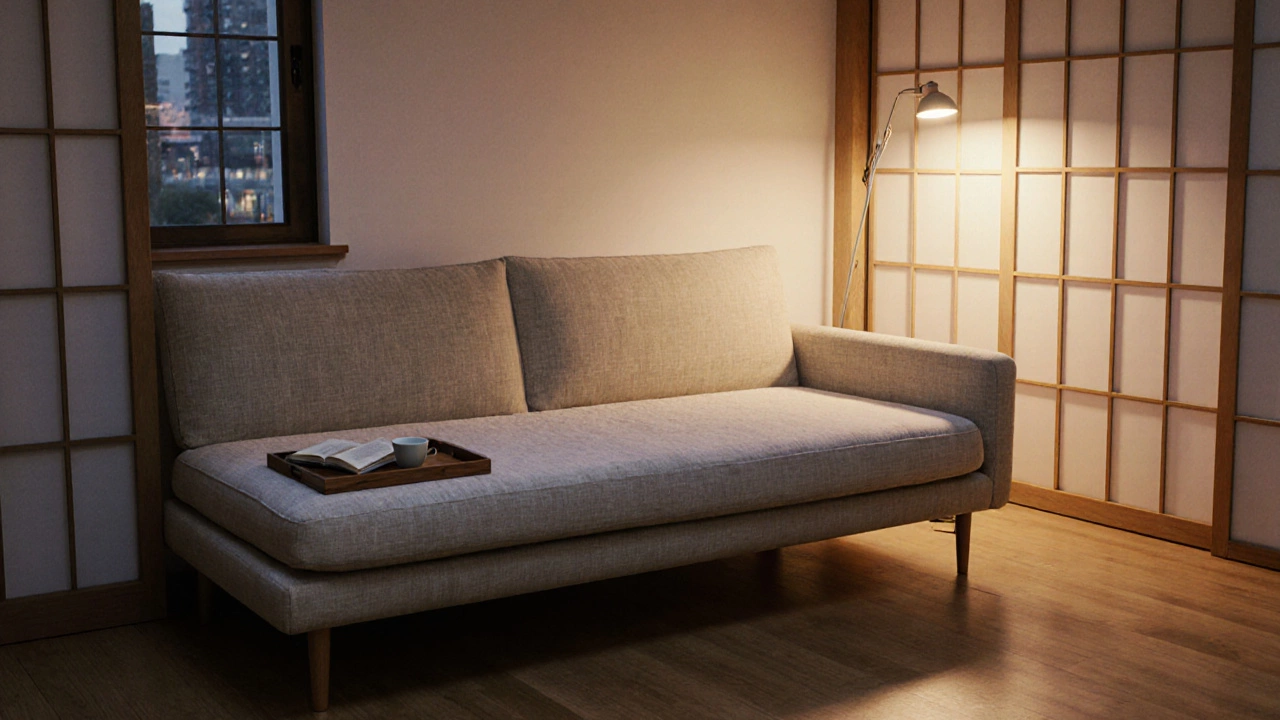
Japanese Sofa Bed: Space-Saving Design, Quiet Functionality, and Modern Style
When you think of a Japanese sofa bed, a low-profile, foldable sleeping surface designed for compact living spaces, often using thin foam or cotton mattresses and minimal wooden frames. Also known as futon sofa bed, it is a quiet alternative to bulky Western sofa beds, built for efficiency, not just comfort. Unlike traditional recliners or Dutch beds, Japanese sofa beds don’t rely on complex mechanisms. They’re meant to be folded flat during the day and unfolded at night—no springs, no levers, no creaking. This simplicity is why they’re so popular in UK apartments, tiny homes, and studios where every inch counts.
The core idea behind a Japanese sofa bed, a low-profile, foldable sleeping surface designed for compact living spaces, often using thin foam or cotton mattresses and minimal wooden frames. Also known as futon sofa bed, it is a quiet alternative to bulky Western sofa beds, built for efficiency, not just comfort. comes from centuries of Japanese interior design: less is more. These beds sit low to the floor, often on a wooden frame that matches tatami, woven straw mats traditionally used as flooring in Japanese homes, known for their natural texture and moisture-absorbing properties. flooring. That low height isn’t just aesthetic—it makes the space feel bigger, calmer, and more open. And because the mattress is thin, it doesn’t hog floor space when folded. You can roll it out for guests, then tuck it away under a coffee table or behind a screen. No need for a dedicated guest room.
Compared to a Dutch bed, a type of sofa bed with a click-clack mechanism that flips from sitting to sleeping position, often with a thicker, more cushioned mattress., a Japanese sofa bed doesn’t offer the same plushness, but it trades comfort for practicality. If you live in a city flat and don’t need a cloud-like mattress, this is the smarter pick. It’s lighter, easier to move, and doesn’t require a big footprint. You’ll find them in homes where people value clean lines, quiet mornings, and flexible living. They work well with neutral tones—beige, oak, charcoal—which is why they pair so naturally with today’s top furniture trends.
And if you’re worried about back support? That’s a common question. Japanese sofa beds aren’t for everyone—especially if you have chronic back pain or need extra cushioning. But for healthy adults who sleep on their side or back, a well-made one with a firm cotton or foam core can be surprisingly supportive. Pair it with a thin memory foam topper if you want a little extra give. It’s not a replacement for a proper bed, but it’s a brilliant solution for occasional use.
What you’ll find in the posts below aren’t just reviews or buying guides. You’ll see real comparisons—how these beds stack up against recliners for seniors, how they fit in small living rooms, and why they’re quietly replacing bulky sofa beds in UK homes. Some posts even show how to clean them, where to buy authentic ones, and how to style them with open wardrobes and minimalist shelves. No fluff. No hype. Just clear, practical info from people who’ve lived with them.