Furnishing Tips: Simple Ways to Upgrade Your Space
Are you tired of staring at the same four walls and wondering why your room feels off? You don’t need a complete overhaul – just a few smart moves. Below are practical tips that anyone can apply, whether you’re moving into a new flat or sprucing up a familiar room.
Pick Colours That Work for You
Colour is the quickest way to change a room’s vibe. Warm whites and greige keep living areas bright and neutral, making it easy to match furniture later. In bathrooms, soft blues feel fresh and calm. If you want to make a bold first‑impression, try a black or deep navy front door – it adds value and looks sleek.
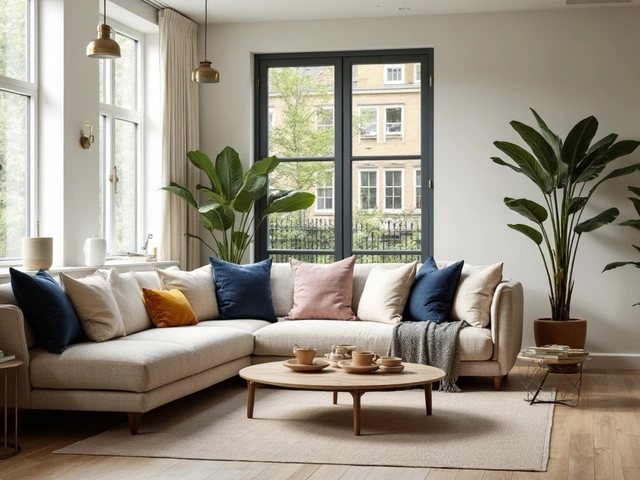
When choosing a sofa, look at current colour trends. Shades like muted teal, warm grey, and earthy taupe are popular in 2025 because they pair well with many décor styles. Pick a hue you love, but also consider how often you’ll change other items; a neutral base makes future updates easier.
Smart Furniture Placement
A sofa doesn’t belong just anywhere. Avoid placing it directly in front of a window or blocking traffic flow. Instead, anchor it around a focal point like a TV or fireplace. If you prefer a TV on a stand, make sure the stand’s height matches eye level when you’re seated. Wall‑mounts free up floor space, but you need a sturdy wall and the right VESA pattern.
Don’t forget the coffee table. It doesn’t have to sit dead centre. Position it where it’s handy for reaching snacks, but leave enough room for leg clearance. A 12‑inch height works for most sofas, while a thicker tabletop can handle heavier items without wobbling.
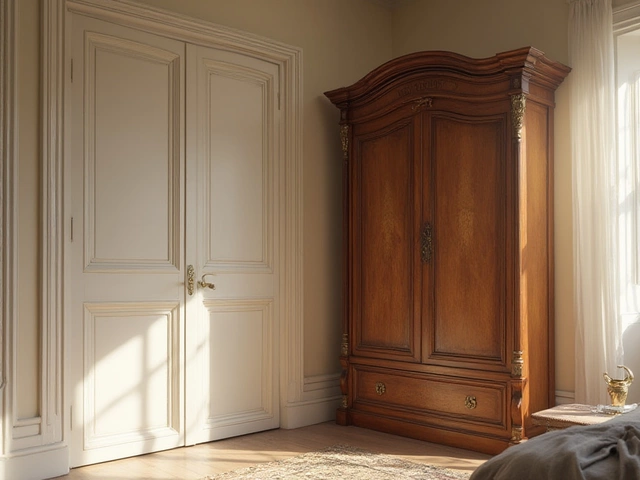
Storage furniture can double as style statements. Keep wardrobes away from direct sunlight to prevent fading, and consider a climate‑controlled unit for valuable pieces. If you must stash items in a garage, use moisture‑proof covers and avoid placing wood furniture against cold walls – temperature swings cause warping.
For small bedrooms, think outside the box. A floating TV stand or a wall‑mounted shelf saves floor space and adds a modern look. DIY alternatives, like repurposed crates, can hold a TV and still look chic.
When buying new pieces, ask yourself: Is the price justified? A £2,000 sofa might offer better cushions, longer warranty, and higher‑grade upholstery, but a budget couch can last years if you protect it from spills and use a slipcover. Check the material – solid wood frames and high‑density foam tend to outlive particleboard and cheap foam.
Finally, protect your furniture from pests. Mice dislike strong scents like peppermint and cedar; placing these near storage units can deter them. Keep fabrics dry and sealed to avoid mold, especially if you store furniture in a damp basement.
By applying these straightforward tips – picking the right colours, arranging furniture with purpose, and choosing smart storage solutions – you’ll see an instant lift in comfort and style. You don’t need a massive budget, just a clear plan and a few thoughtful choices.