Everyday Use Furniture Tips: Simple Solutions for Everyday Living
Whether you’re moving into a new place or just want to make the most of what you already have, everyday furniture choices can make a big difference. Small tweaks in storage, colour, and placement can keep your home looking fresh without a big spend. Below you’ll find straight‑forward ideas that work for any room, any budget, and any style.
Smart Storage & Protection
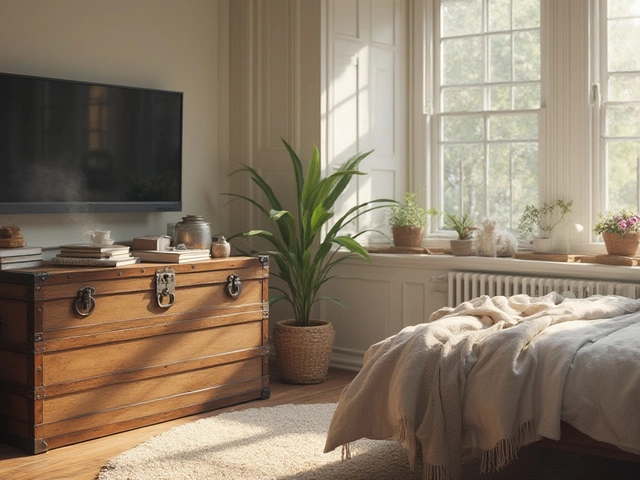
Storing wood pieces in a cold or damp garage? That’s a recipe for warping, cracking, and mold. Keep furniture out of direct drafts and use breathable covers instead of plastic sheeting, which traps moisture. A simple dehumidifier or a few silica packs in a closed closet can keep humidity in check, especially during winter months.
For items you must keep in a garage or storage unit, raise them off the floor with pallets or a sturdy shelf. This prevents water from seeping up from the concrete. If you need to stack items, place a sheet of plywood between pieces to distribute weight evenly and avoid dents. And whenever possible, choose climate‑controlled storage – the extra cost pays off in longer‑lasting furniture.
Style Choices that Work Every Day
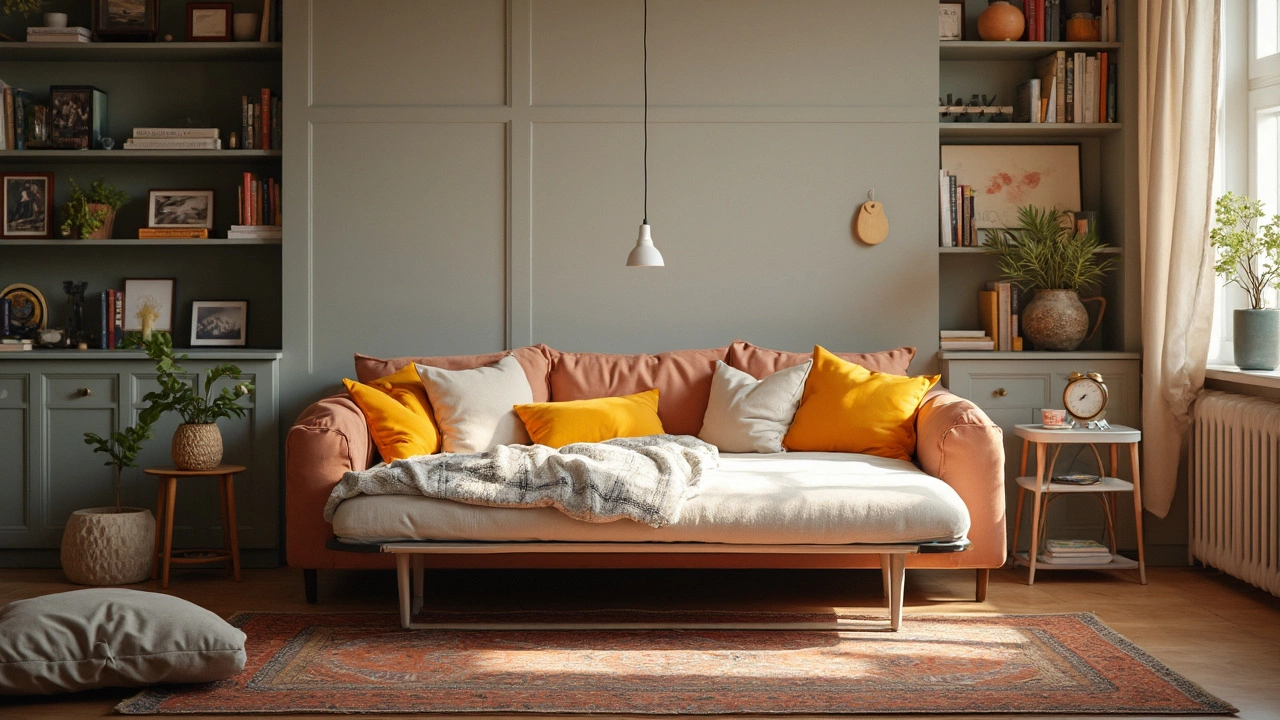
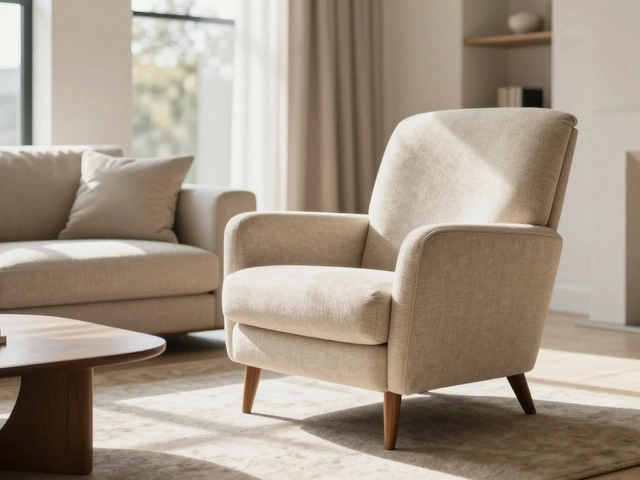
When it comes to sofa colour, neutral shades like warm whites, greige, or soft blues are safe bets. They hide wear, match most décor, and can brighten a room. If you love a pop of colour, use throw pillows or a single accent chair instead of a bold sofa that might feel dated in a few years.
TV placement is another everyday decision. A wall‑mount frees up floor space and gives a clean look, but a sturdy stand works fine if you rent or want flexibility. Measure the viewing distance – a rule of thumb is 1.5 times the screen diagonal – and keep the screen at eye level for comfort. The same logic applies to coffee tables: a height of 12‑14 inches works for most sofas, but make sure there’s enough legroom so you can slide under without bumping your knees.
Finally, avoid common layout mistakes. Don’t put a sofa directly in front of a door or a heat source, and keep pathways at least 2‑3 feet wide. Small changes like adding a rug runner or adjusting a lamp height can improve flow and make the room feel larger.
These everyday tips are designed to keep your furniture looking great and lasting longer. Dive into the posts below for deeper guides on paint colours, mould prevention, budget sofa buying, and more. Your home will thank you for the simple, practical upgrades.