How to Place Your Couch for a Perfect Living Room Flow
Choosing the right spot for your couch can feel like a puzzle, but it doesn't have to be. A well‑placed sofa not only looks good, it makes the room feel bigger, improves traffic flow, and lets you enjoy TV time or conversation without bumping into furniture.
Start with the Focal Point
Every living room has a natural focal point – usually a TV, fireplace, or a large window with a view. Position your couch so its back faces the focal point, or angle it slightly to create a semi‑circular conversation zone. This way, you can relax while still being part of the action. If your room has no obvious focal point, pick a wall you want to highlight and make the sofa the centerpiece.
Mind the Traffic Path
Imagine walking through your living room. You should be able to move from the entry door to the kitchen or hallway without weaving around the sofa. Leave at least 2‑3 feet of clearance behind and beside the couch. This space prevents cramped feeling and protects the couch from accidental kicks.
Another quick check: stand at the doorway and look into the room. If the couch blocks the view or creates a dead‑end, try sliding it a few inches toward the wall or swapping it with a smaller chair.
Balance with Other Furniture
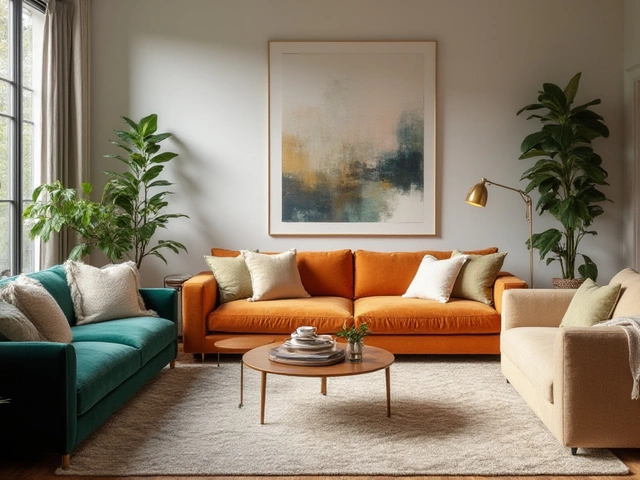
Pair your couch with a coffee table and side chairs that complement its size. A good rule of thumb is to keep the coffee table about 12‑18 inches away from the sofa so you can reach it easily but still have room to walk. If your room is narrow, consider a round or oval coffee table to keep corners from crowding the space.
Side chairs should sit at a comfortable angle, usually 45‑degrees from the couch, to encourage conversation. If you have a larger sectional, break it up with a slim console table behind it – this adds storage and a visual anchor without taking up floor space.
Avoid Common Mistakes
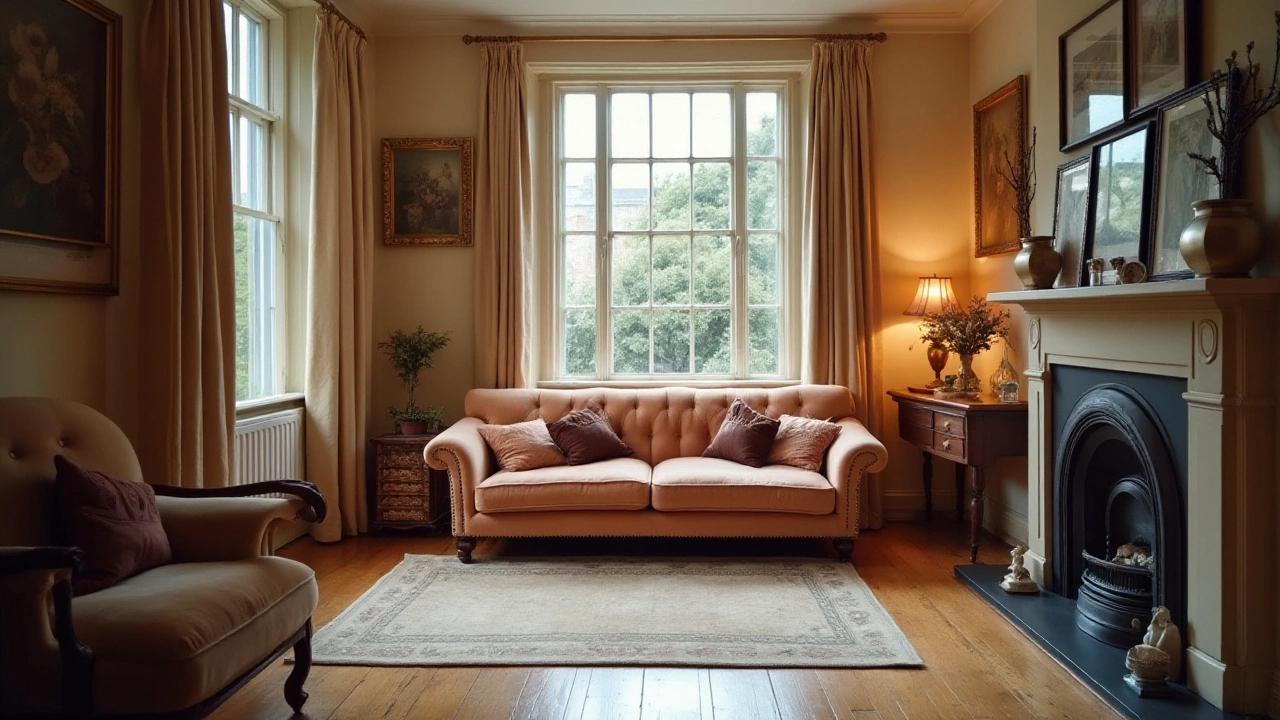
Don’t push the couch directly under a window unless the view is a priority; you’ll lose natural light and risk glare on the TV. Also, steer clear of placing the sofa in line with the main traffic flow – it will feel like an obstacle rather than a gathering spot.
Another pitfall is putting the couch too close to the wall, which makes the room feel flat. Pull it a few inches away, add a rug underneath, and you instantly create depth.
Play with Angles
If your room isn’t a perfect rectangle, experiment with a diagonal placement. A couch set at a 30‑degree angle can open up awkward corners and make the space feel more dynamic. Just ensure you keep clear pathways and don’t block windows or doors.
Finally, test your setup. Sit, stretch, and look around. If you can see the TV, the fireplace, or the view without turning your head too far, you’ve nailed the placement.
With these simple steps, you’ll turn any living room into a welcoming spot that looks good and works for everyday life.