Clothes Storage: Smart Solutions for Organizing Your Wardrobe
When it comes to clothes storage, the system you use to keep garments organized, protected, and easy to access. Also known as wardrobe organization, it’s not just about fitting more in—it’s about making sure what you wear actually works for you. Too many people treat storage as an afterthought, cramming clothes into boxes, hanging everything haphazardly, or ignoring humidity and light damage until it’s too late. But smart clothes storage isn’t about having a big closet. It’s about using the space you have wisely, protecting your items, and making your daily routine easier.
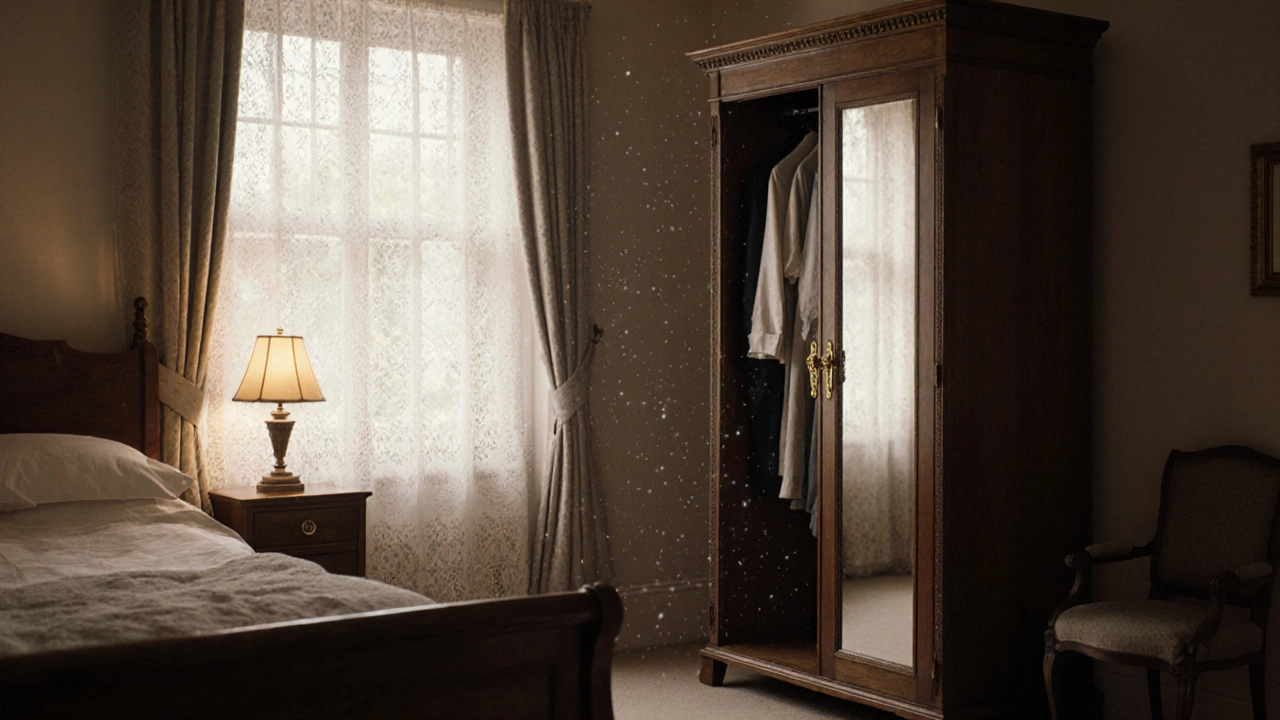
Related to this are storage furniture, pieces designed specifically to hold clothing, like dressers, armoires, and built-in cabinetry, which offer structure and durability that generic bins can’t match. Then there’s closet design, the layout and configuration of your storage space, including shelving, rods, drawers, and lighting. A poorly designed closet—even a large one—can make finding anything a chore. On the flip side, a well-planned system turns getting dressed into a calm, efficient ritual. And let’s not forget clothing organization, the habits and methods you use to sort, fold, hang, and store items regularly. This isn’t a one-time task. It’s the daily practice that keeps your system from collapsing back into chaos.
Think about what you’ve seen in the posts here: how mold creeps into forgotten storage bins, how bubble wrap can trap moisture instead of protecting clothes, how open wardrobes are gaining traction for easy access, and how even the Royal Wardrobe had strict rules for handling fabrics. These aren’t just random tips—they’re clues to what actually works. People are learning how to store clothes for seasons, not just seasons for storage. They’re choosing materials that breathe, avoiding plastic bags that trap humidity, and using drawer dividers to stop socks from vanishing. Some are ditching doors entirely, while others are building custom shelves to fit every type of garment. You’ll find real examples here: how to kill mold on storage furniture, how to pick the right storage solution for small spaces, and even how many clothes the average person actually owns—and whether they need all of it.
There’s no single right way to store clothes. But there are plenty of wrong ways—and you’ll find them all here, with fixes attached. Whether you’re dealing with a cramped apartment, a growing family, or just tired of digging through piles, the solutions below are practical, tested, and built for real life. No fluff. No theory. Just what works.