Buying Sofa Tips: How to Choose the Right Couch Without Regret
Looking for a new sofa can feel overwhelming. You walk into a showroom, see dozens of colours and shapes, and wonder if you’ll ever make the right choice. The good news? You don’t need a design degree to pick a couch that fits your life. Follow these straightforward tips and you’ll walk away confident, comfortable, and happy with your purchase.
Know Your Space and Size First
Before you even think about fabric or style, measure the room. Grab a tape measure, note the length of the longest wall, and mark where the sofa will sit. Leave at least 30 cm (about a foot) of walking space in front of it – you’ll thank yourself when you can actually get past the couch without squeezing through a gap.
If you have a narrow room, consider a loveseat or a slim three‑seat sofa. In larger living rooms, a sectional or a deeper sofa works well, but keep the scale in mind – a massive sofa can dominate a modest space and make it feel cramped.
Don’t forget the other furniture. Sketch a quick floor plan on paper or use a free room‑planner app. Make sure there’s room for coffee tables, side chairs, and any TV stand you already have. This simple step eliminates the “it looks great in the store but doesn’t fit at home” problem.
Pick the Right Material and Comfort
Fabric choice matters for both looks and longevity. If you have kids or pets, go for performance fabrics like microfiber, polyester blends, or leather that can resist stains and scratches. For a more formal look, velvet and linen are beautiful but may need extra care.
Test the cushions. Sit, lie down, and bounce a little. A good couch should feel supportive without being too firm. Look for high‑density foam core wrapped in a layer of down or feather for a balance of softness and support. If you’re buying online, read reviews that mention cushion longevity – many shoppers note whether the cushions flatten after a few months.
Check the frame. Hardwood frames (oak, ash, beech) outlast pine or particle board. A sturdy frame with mortise‑and‑tenon joints or dowel‑type construction signals durability. If the legs can be removed, you’ll have an easier time moving the sofa through tight doorways.
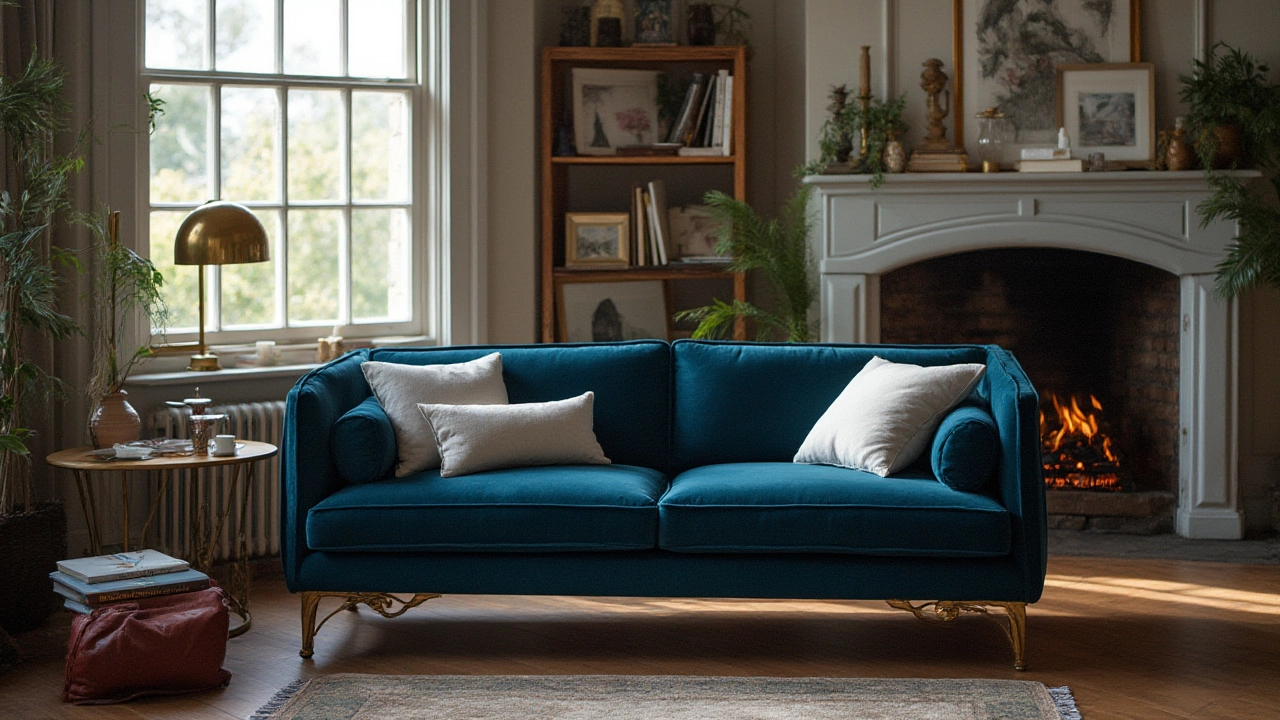
Colour is the easiest way to tie a sofa into your décor. Neutral shades like greige, warm white, or muted blue stay stylish for years and pair well with most accessories. If you love a pop of colour, choose a bold hue for the sofa and keep the rest of the room simple. This prevents the space from feeling overwhelming.
Finally, think about the sofa’s purpose. If you love movie nights, a deeper seat and a low back work well. For daily chores and quick sits, a higher back and firmer seat provide better support. Matching the sofa to your lifestyle makes it a true centerpiece rather than an afterthought.
Buy from a retailer with a clear return policy. A 30‑day trial lets you live with the couch and catch any issues early. Many UK stores offer free delivery and a modest assembly fee – those details can save you stress later.
In short, measure your space, choose a durable material, test the comfort, and pick a colour that fits your vibe. Follow these buying sofa tips and you’ll avoid the common pitfalls that leave people stuck with a couch they regret. Happy shopping, and enjoy the new comfort you’ve earned!