Furniture Storage Wrapping Advisor
Not sure if you need to wrap your furniture? Select your item details below to get a customized protection plan.
Materials Needed:
N/A
You’ve just spent hours disassembling a bookshelf or wrestling a sofa through a narrow doorway. Now it’s sitting on the floor of your garage or a rented unit, exposed to dust, potential damp, and the occasional curious cat. The question pops up: do you really need to wrap it all in plastic and blankets? Or is that just overkill designed to sell you more packing tape?
The short answer is yes, but not for every piece, and definitely not with just any material. Wrapping furniture isn’t about creating a cocoon; it’s about managing risk. If you’re storing items for less than a month in a climate-controlled space, you might get away with minimal protection. But if you’re dealing with long-term storage, uncontrolled temperatures, or high-value pieces, skipping the wrap is asking for trouble. Here’s how to decide what needs wrapping, what doesn’t, and how to do it without turning your living room into a landfill of plastic waste.
Why Wrapping Matters More Than You Think
Furniture damage during storage rarely comes from dramatic events like falling boxes. It usually stems from slow, invisible enemies: moisture, abrasion, and pests. Wood is hygroscopic, meaning it absorbs and releases moisture based on the surrounding air. In a non-climate-controlled unit in Leeds, humidity can swing wildly between winter and summer. Without a barrier, wood can warp, crack, or develop mold. Upholstery traps dust mites and pet hair, which can cause allergies later or simply make the fabric look grubby before you’ve even unpacked.
Furniture storage is the practice of keeping household items in a designated space for a period ranging from weeks to years, requiring specific protective measures to prevent degradation. When you leave a velvet armchair uncovered, you’re not just risking stains; you’re inviting light-induced fading. UV rays degrade dyes over time, even through window glass. Wrapping acts as a shield against these cumulative damages, preserving the resale value and aesthetic appeal of your belongings.
What Needs Wrapping (And What Doesn’t)
Not everything requires the full white-glove treatment. You need to triage your items based on material, value, and storage duration. Here’s a quick breakdown to save you time and money.
| Furniture Type | Risk Level | Recommended Protection | Duration Threshold |
|---|---|---|---|
| Solid Wood Tables & Chairs | High | Bubble wrap + Moving Blanket | > 1 Month |
| Upholstered Sofas & Armchairs | Medium-High | Plastic Stretch Film (breathable preferred) | > 2 Weeks |
| Metal Frames (Bed, Garden) | Low-Medium | Light Dust Sheet or Plastic | > 3 Months |
| Laminated/MDF Furniture | Medium | Bubble Wrap (edges only) | > 1 Month |
| Wicker/Rattan | High | Blankets (avoid tight plastic) | Any Duration |
| Glass Top Tables | Critical | Bubble Wrap + Corner Protectors | Any Duration |
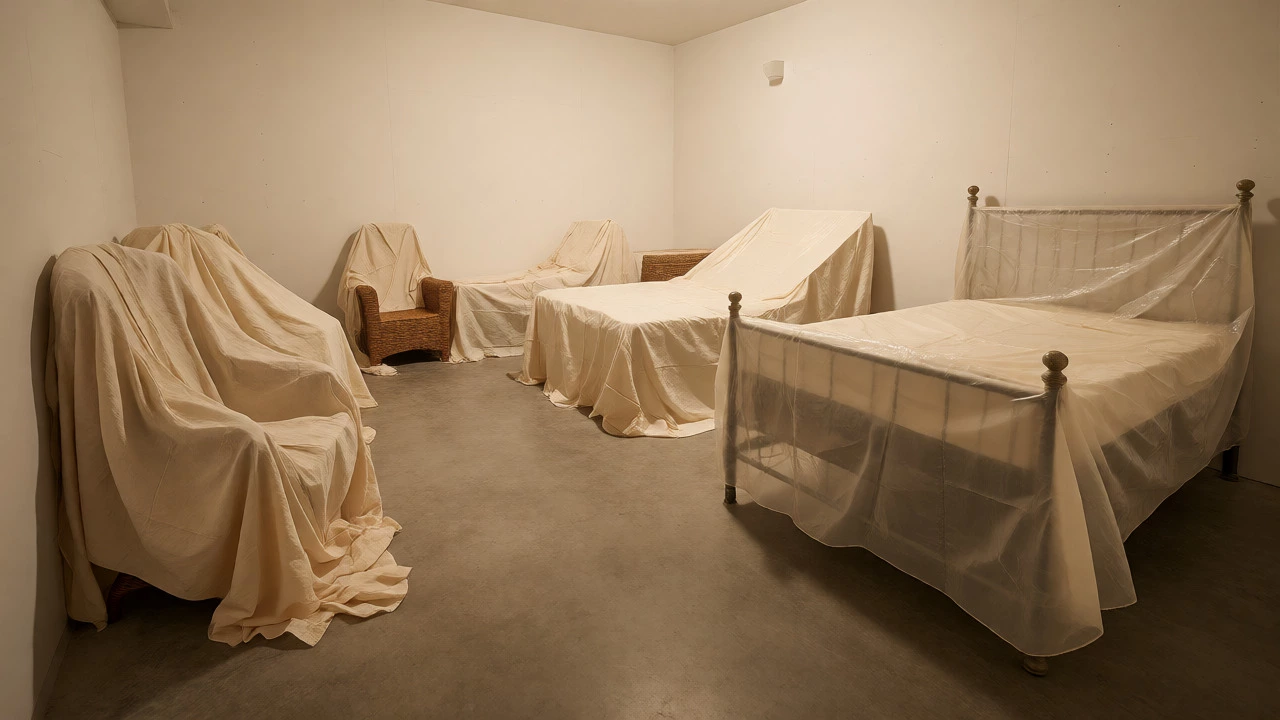
Notice the distinction for wicker. Tight plastic can trap moisture against natural fibers, leading to mildew. For rattan, breathable cotton sheets are far superior to synthetic wraps. Conversely, metal frames in a damp environment need plastic to prevent rust, provided the metal is dry before wrapping.
The Right Materials: Beyond Bubble Wrap
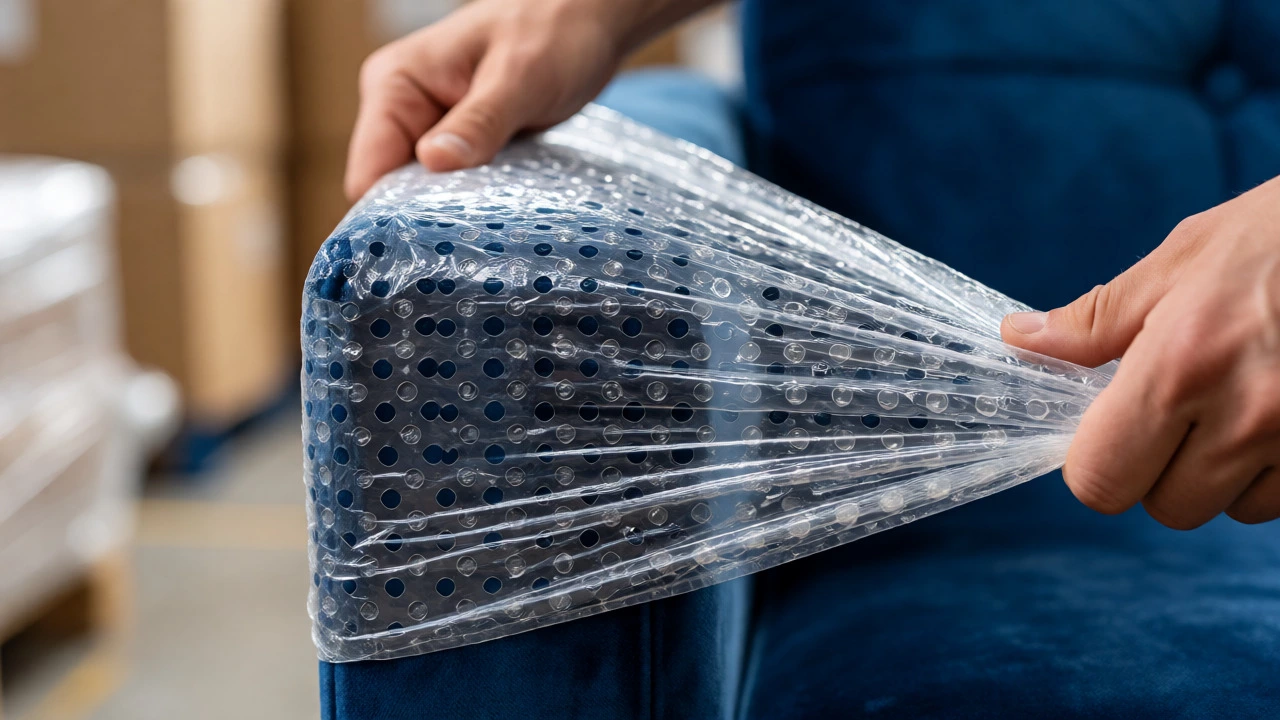
Most people reach for bubble wrap first. It’s great for corners and fragile parts, but terrible for large flat surfaces because it leaves gaps where dust settles. Instead, think in layers.
- Stretch Film: This is the clear, clingy plastic used by professional movers. It holds blankets in place and keeps dust off upholstery. Crucially, use perforated stretch film for upholstered items so they can breathe.
- Moving Blankets: These thick quilted pads protect against scratches and dents. They are reusable and eco-friendlier than single-use plastics. Secure them with rubber bands, not tape, to avoid sticky residue.
- Paper Pads: For antique wood finishes, paper is better than plastic. Plastic can react with certain varnishes or lacquers over time, causing cloudiness. Acid-free paper allows the wood to breathe while blocking dust.
- Cardboard Corners: Essential for table edges and cabinet doors. They prevent the "corner crush" that happens when another heavy item leans against yours.
A common mistake is using standard household cling film. It tears easily and often contains chemicals that can migrate onto finished wood surfaces. Stick to materials designed for transport and storage.
Step-by-Step Wrapping Process
Efficiency matters here. If you try to wrap a whole wardrobe at once, you’ll end up with a tangled mess. Break it down.
- Clean First: Never wrap dirty furniture. Dust and grit act like sandpaper under pressure. Wipe down surfaces with a microfiber cloth.
- Disassemble Where Possible: Remove legs from tables, cushions from sofas, and drawers from dressers. Store small hardware in labeled bags taped to the inside of the main piece.
- Protect Edges and Corners: Apply cardboard corners or extra layers of bubble wrap to protruding parts. These are the first points of contact in a stack.
- Wrap the Body: For wood, start with paper, then add a blanket. For upholstery, use breathable plastic. Work from top to bottom, overlapping layers slightly to shed any potential water runoff.
- Secure Tightly: Use strong strapping or elastic cords. Loose wrapping shifts during movement, exposing bare spots. Ensure nothing hangs loose that could snag on other items.
For sofas, consider removing the legs entirely. They are vulnerable and awkward to wrap around. Bag them separately and attach the bag to the base of the sofa frame so you don’t lose them.
Common Mistakes That Cost Money
I’ve seen people ruin perfectly good oak tables by wrapping them tightly in non-breathable plastic while still warm from sunlight. The trapped heat and condensation created a greenhouse effect, warping the finish. Always let furniture cool down and dry completely before sealing it up.
Another error is stacking too aggressively. Even wrapped furniture has limits. A heavy chest of drawers on top of a wrapped wooden chair will crush the backrest. Label your wrapped items clearly with "This Side Up" and weight indicators. Use vertical space wisely-tall items like wardrobes should stand upright, never lie flat unless absolutely necessary, as this stresses the joints.
Also, beware of "plastic fatigue." If you store plastic-wrapped items for years, the plastic can become brittle and shatter, leaving sharp shards everywhere. Check your inventory annually if possible, or use higher-grade industrial films if you know the storage term exceeds two years.
When You Can Skip the Wrap
Do you always need to wrap? No. If you’re storing a solid pine bookcase in a clean, dry, temperature-stable spare room for three weeks, a simple dust sheet is enough. If the item is purely functional, like a metal shelving unit for a workshop, and cosmetic appearance doesn’t matter, skip the fancy wrapping. Just ensure it’s stable and won’t tip over.
However, if you live in an area with high humidity, such as coastal regions or older buildings with poor insulation, err on the side of caution. The cost of replacing a warped veneer table dwarfs the price of a roll of stretch film.
Final Thoughts on Long-Term Care
Wrapping is an investment in preservation. It takes time, sure, but it saves headaches later. When you eventually unpack, you want to peel back layers and find your furniture looking exactly as it did when it went into storage. Not stained, not scratched, and not smelling musty.
Remember, the goal isn't perfection; it's prevention. Tailor your approach to the item's sensitivity and the environment's hostility. A little effort now ensures your furniture remains usable and valuable for years to come.
Can I use trash bags to wrap furniture?
Yes, but with caveats. Trash bags work for quick, short-term protection against dust. However, they are not breathable, which can trap moisture against wood and upholstery, leading to mold or finish damage. They also tear easily. For anything stored longer than a month, use proper moving blankets or breathable plastic film instead.
How long can furniture stay in plastic wrap?
It depends on the material. Standard polyethylene plastic can be left on for up to 6 months in climate-controlled conditions. For longer periods, especially in variable climates, switch to breathable covers or remove the plastic periodically to allow air circulation. Non-breathable wraps left on wood for years can cause "off-gassing" issues where the plastic adheres to the finish.
Do I need to wrap leather furniture?
Leather is sensitive to both moisture and drying out. Wrap it in a breathable cotton sheet first to absorb ambient humidity fluctuations, then cover with a light plastic layer to block dust. Avoid direct contact between plastic and leather, as static electricity can attract dust to the surface, and trapped moisture can cause spotting.
Is bubble wrap safe for painted furniture?
Generally, yes, but fresh paint is risky. Wait at least 30 days after painting or refinishing before applying bubble wrap. For older, cured paint, bubble wrap is safe. However, for high-gloss finishes, the texture of bubble wrap can sometimes leave faint imprints if pressed hard for long periods. Using a layer of tissue paper or a soft blanket between the paint and the bubble wrap eliminates this risk.
What is the best way to store upholstered furniture?
Clean the upholstery thoroughly first. Vacuum crevices to remove crumbs and debris that attract pests. Then, cover the item with a breathable furniture cover or a specialized plastic wrap with perforations. Do not use vacuum-seal bags for large sofas, as compressing the foam cushions for extended periods can permanently deform their shape.