Coffee Table Height Checker
Enter your measurements to see if your coffee table height is ergonomic.
Visual representation of heights (not to scale with room size)
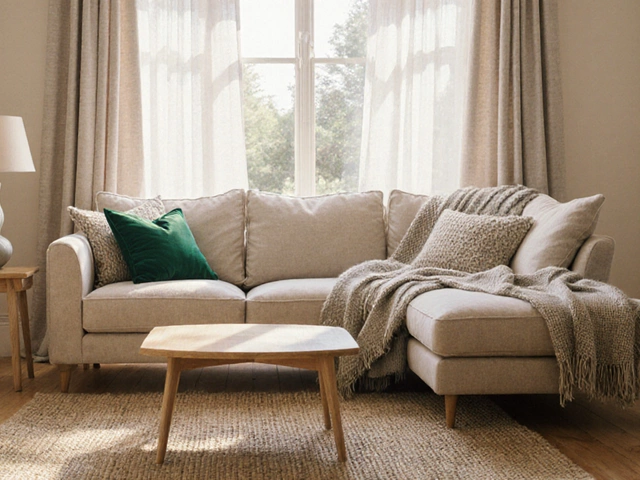
You walk into the store, spot a sleek coffee table that catches your eye, and then you check the specs. It’s 20 inches tall. You freeze. Is that too high? Will it look like a barricade in front of your sofa, or will it actually work? If you’ve ever stood in a showroom holding a tape measure, wondering if you’re about to make a $300 mistake, you’re not alone.
The short answer is: usually, yes, 20 inches is too tall for a standard setup. But "usually" doesn't help you when you're staring at the one piece of furniture that ties your whole living room together. The right height depends entirely on what you’re sitting on. A 20-inch table might be perfect for a bar stool but awkward for a low-profile sectional. Let’s break down exactly how to measure your space so you never have to guess again.
The Golden Rule of Coffee Table Height
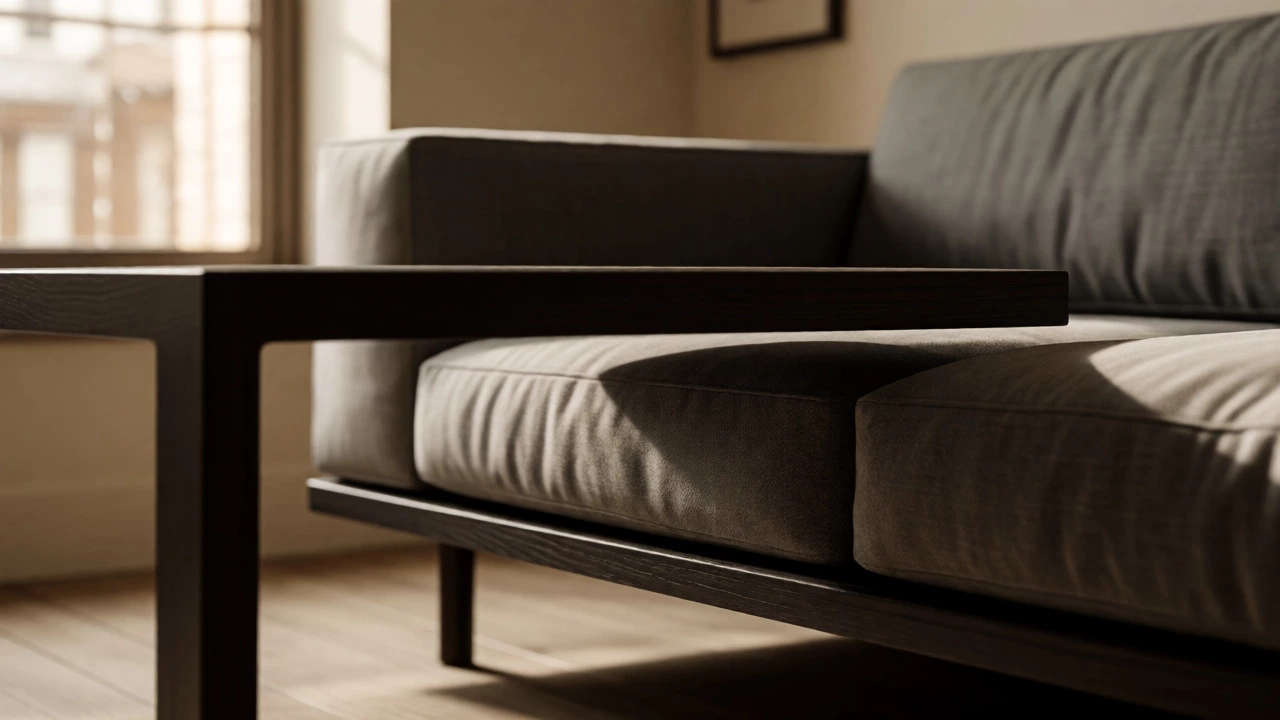
There’s a widely accepted rule among interior designers and furniture makers: your coffee table should be no more than two inches higher or lower than the seat height of your sofa. Ideally, it matches the seat cushion height exactly. Why? Because ergonomics matter. If the table is significantly higher, your arms hang awkwardly when you reach for a mug. If it’s too low, you feel like you’re reaching into a well just to grab your remote.
Most standard sofas have a seat height between 17 and 19 inches. This means the sweet spot for a coffee table is typically between 15 and 18 inches. So, where does that leave our 20-inch contender? It sits squarely in the "too tall" category for the average British home. However, standards vary. Some modern sofas are designed with lower profiles, while others are built for easy standing up, meaning they sit higher. That’s why measuring your specific furniture beats following a generic blog post every time.
Why 20 Inches Might Feel Wrong (And When It Works)
If you put a 20-inch table in front of a sofa with an 18-inch seat, you create a visual barrier. It blocks sightlines across the room and can make small spaces feel cramped. Psychologically, we associate lower surfaces with relaxation and openness. A taller table feels more formal, almost like a dining table pushed into the lounge area.
But there are exceptions. If you use your coffee table as a primary workspace-laptop, notebook, cup of tea-a slightly higher surface is actually better for your posture. Leaning forward over a 16-inch table strains your neck. In this case, a 20-inch table acts more like a desk substitute. Just be aware that it will likely dominate the visual weight of the room.
Consider the type of seating you have. Sectionals often have deeper seats and sometimes higher backs. If your sofa has a deep sink-in cushion, the actual sitting position might be lower than the frame suggests. Measure from the floor to the top of the cushion where you actually sit, not the top of the backrest. That number is your true baseline.
How to Measure Your Space Correctly
Don’t trust the product description alone. Manufacturers sometimes include the thickness of the legs or decorative elements in their height measurements. Here’s the foolproof method:
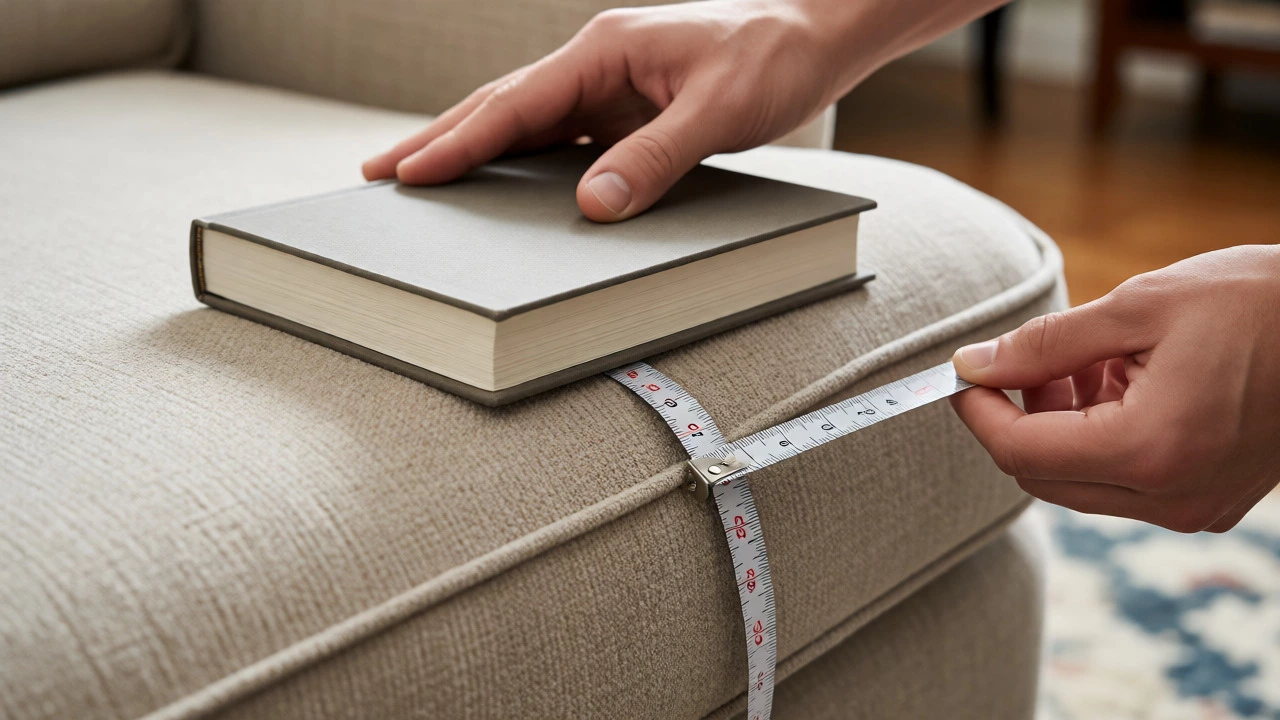
- Measure your sofa seat: Place a rigid ruler or book flat on the center of the seat cushion. Measure from the floor to the top of the book. Write this number down.
- Check the clearance: Ensure there’s at least 14-18 inches of space between the edge of the sofa and the coffee table. This allows enough room to walk behind the table without squeezing past it.
- Evaluate the table design: Is the table solid wood? Glass? Open shelving? A bulky 20-inch wooden block looks much taller than a delicate glass table of the same height. Visual lightness matters as much as physical height.
If your sofa measures 18 inches, a 20-inch table is only two inches higher. That’s within the acceptable margin. But if your sofa is 16 inches, that same table is four inches higher, which starts to feel disjointed.
Alternatives to the Standard 20-Inch Table
If you’ve decided 20 inches is too tall, you have options. You don’t have to stick to one rigid shape. Mixing heights can add interest to a room while solving the ergonomic problem.
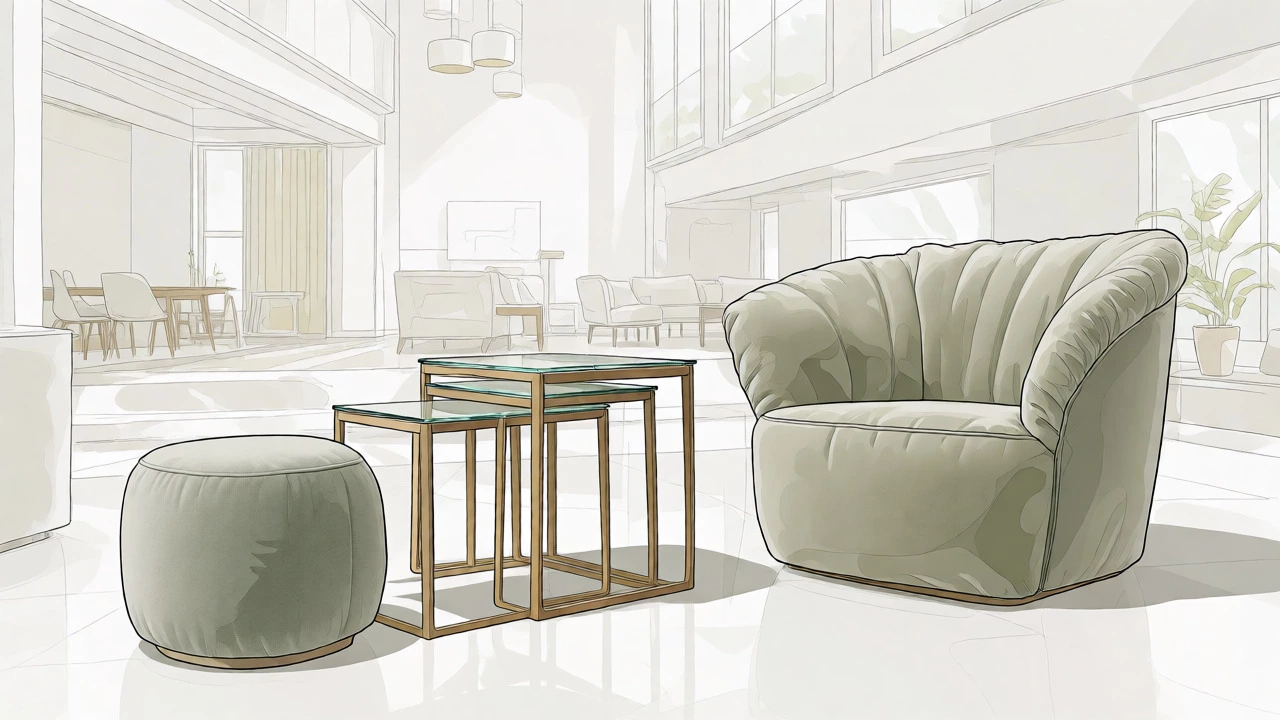
- Nesting Tables: These allow you to tuck smaller tables under larger ones. Use a 16-inch main table and a 20-inch side table. You get the flexibility of different heights without cluttering the floor.
- Ottomans: An upholstered ottoman can serve as a coffee table. Many are around 18 inches tall, matching sofa seats perfectly. They’re also softer on shins, which is great if you have kids or pets.
- C-Tables: These slide under the sofa arm. Since they attach to the sofa, their height is less critical because they’re positioned closer to your hand. Look for adjustable models if you want to tweak the angle.
| Sofa Seat Height | Ideal Table Height Range | Verdict on 20" Table |
|---|---|---|
| 15 - 17 inches | 15 - 19 inches | Too Tall (3-5 inches higher) |
| 18 - 19 inches | 16 - 21 inches | Acceptable (1-2 inches higher) |
| 20+ inches | 18 - 22 inches | Perfect Match |
Visual Balance and Room Size
Height isn’t just about function; it’s about proportion. In a small apartment, a 20-inch table can overwhelm the space. It draws the eye upward, making the ceiling feel lower by comparison. If you have low ceilings (common in older Leeds terraced houses), keep your horizontal lines low. Stick to tables under 18 inches to maintain an airy feel.
In contrast, large open-plan living areas can handle taller furniture. If your sofa is massive and plush, a 20-inch table balances the scale. Think of it as architectural symmetry. Big sofa needs big presence. Small sofa needs subtlety.
Also consider the material. Glass or acrylic tables reflect light and appear smaller than they are. A 20-inch glass table might feel fine because it doesn’t block the view of the rug or floor beneath it. Solid oak or walnut absorbs light and creates a heavier visual footprint. Be honest about the bulk of the material when judging height.
Common Mistakes to Avoid
People often buy based on aesthetics rather than measurement. They see a beautiful mid-century modern table online, assume it fits, and order it. Then it arrives and looks wrong. Another mistake is ignoring the rug. If your table sits on a thick pile rug, the effective height increases slightly because the legs sink in. Account for this if you have deep-pile wool rugs.
Don’t forget about storage. Taller tables often have lower shelves. If you plan to stack books or magazines, ensure the shelf height allows for easy access. A 20-inch table might have a bottom shelf at 4 inches off the ground. Can you easily reach down there? Or do you end up kneeling to retrieve items?
Finally, test the reach. Sit on your sofa. Reach out to where the table would be. Does your elbow rest comfortably? Can you pick up a drink without leaning forward? If the answer is no, the height is wrong, regardless of what the internet says.
Frequently Asked Questions
What is the standard height for a coffee table?
The standard height for most coffee tables ranges from 16 to 18 inches. This aligns with the typical seat height of standard sofas, ensuring ergonomic comfort and visual balance in the living room.
Can I use a 20-inch table with a low sofa?
It is generally not recommended. If your sofa seat is 16 inches or lower, a 20-inch table will look disproportionately tall and may cause discomfort when reaching for items. Consider nesting tables or a lower-profile alternative instead.
Does the material of the table affect perceived height?
Yes. Transparent materials like glass or acrylic tend to look lighter and less imposing than solid wood or metal. A 20-inch glass table may feel less intrusive in a small room compared to a solid oak one of the same dimensions.
How much space should be between the sofa and coffee table?
Leave approximately 14 to 18 inches of clearance between the front edge of the sofa and the coffee table. This provides enough room for legroom and walking paths while keeping items within easy reach.
Are lift-top coffee tables a good solution for height issues?
Lift-top tables are excellent for versatility. They allow you to raise the surface to a comfortable working height (often 20+ inches) when needed, while maintaining a standard lower profile (16-18 inches) for general use. This solves the ergonomic conflict for dual-purpose spaces.