Sofa Quality Inspector
Answer these questions about the sofa you are considering to get an instant quality assessment.
Assessment
PendingStrengths
Potential Risks
You’re standing in a showroom, or maybe you’re scrolling through endless images online, and that beautiful couch looks perfect. It’s plush, the colour matches your rug, and the price tag isn’t making you weep. But here’s the brutal truth: most sofas are designed to look good for two years and fall apart by year five. You don’t want to buy a piece of furniture that becomes a sagging, squeaky mess before you’ve even finished paying it off.
So, how do you separate the real deal from the pretty imposters? It’s not about brand names or flashy marketing. It’s about what’s hiding underneath those cushions. If you know where to poke, pull, and check, you can spot a high-quality sofa from across the room. Let’s break down exactly what to look for so you never waste money on flimsy furniture again.
The Frame Is Where Quality Starts
Think of the frame as the skeleton of your sofa. If the bones are weak, the whole body fails. Many cheap couches use particleboard, MDF (medium-density fibreboard), or plastic connectors. These materials might hold up for a while, but they warp with humidity and snap under stress. A truly high-quality couch uses kiln-dried hardwood, like oak, maple, or ash. "Kiln-dried" means the wood was heated in an oven to remove moisture, preventing it from warping or cracking later.
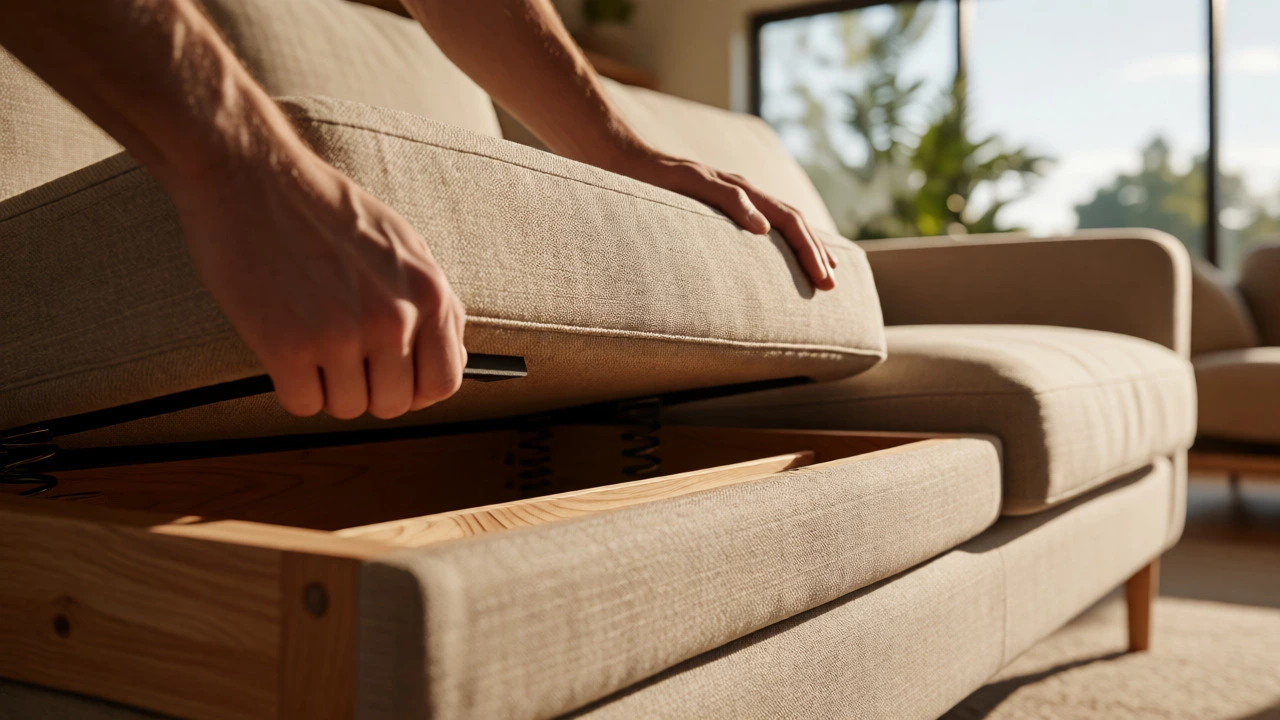
Here is a quick test: lift one arm of the sofa. If it feels light and wobbly, put it back down. A solid hardwood frame should feel substantial and rigid. Check the joints, too. Staples and glue alone are red flags. Look for dowels, screws, or corner blocks that are screwed and glued into place. This method, often called "double-doweled," ensures the corners won’t loosen after hundreds of hours of sitting.
| Material | Durability | Cost | Verdict |
|---|---|---|---|
| Kiln-Dried Hardwood | High (10+ years) | Premium | Best Choice |
| Plywood | Medium (5-7 years) | Moderate | Acceptable Budget Option |
| Particleboard/MDF | Low (2-4 years) | Cheap | Avoid if Possible |
| Metal | High (Varies) | Variable | Good for Modern Styles |
Suspension Systems: The Secret to Comfort
Once you have a strong frame, you need something to support the weight of your body without collapsing. This is the suspension system. You’ll usually find three types, and knowing which one is under the seat cushion makes all the difference.
First, there’s sinuous springs. These are S-shaped wires stretched across the frame. They’re common in mid-range sofas. If they’re tied together with fabric strips (called tie-downs), they’re decent. If they’re just stapled in, they’ll eventually rub against each other and squeak. Second, there are webbing suspensions. Elastic bands stretched across the frame. They’re cheap and often used in budget furniture. Over time, elastic loses its tension, leading to that dreaded "hammock" effect where you slide toward the centre of the sofa.
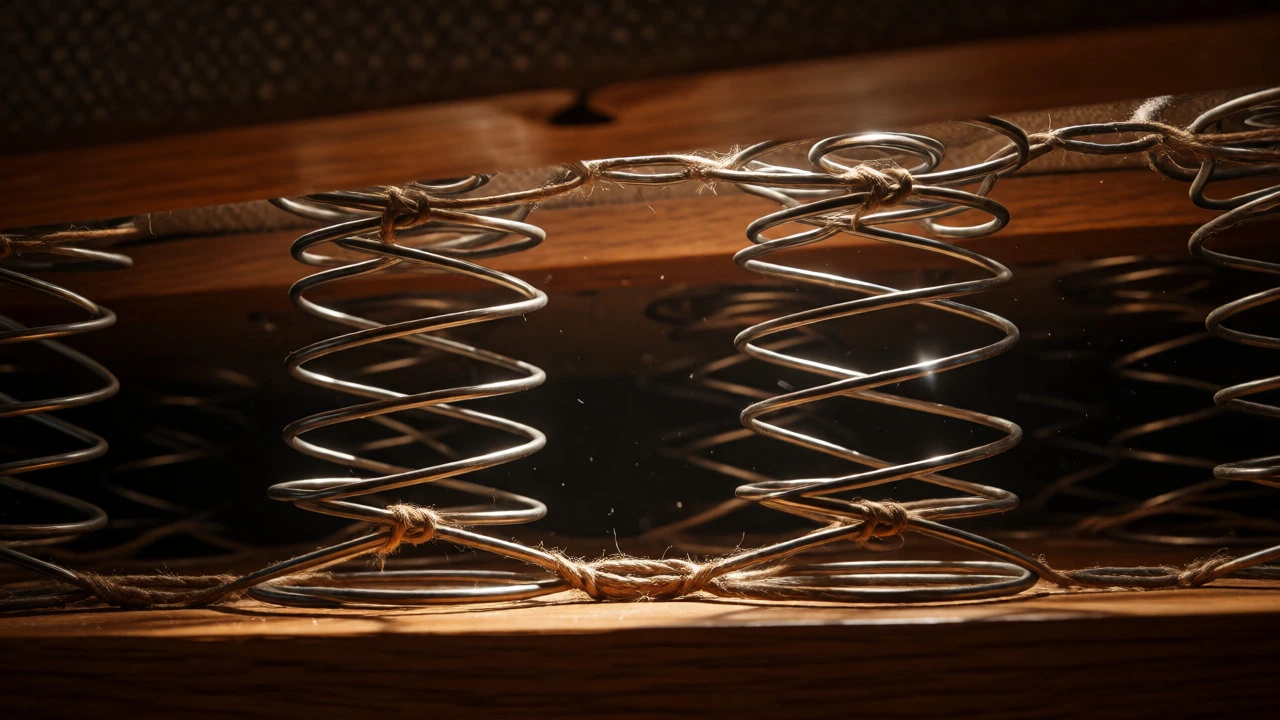
The gold standard is eight-way hand-tied springs. Each spring is individually tied to the frame in eight directions using twine. This creates a supportive, flexible surface that distributes weight evenly. It’s labour-intensive, which is why it drives up the cost, but it’s worth every penny if you plan to keep the sofa for a decade. When you sit on a sofa with this system, it should feel firm but responsive, not like you’re sinking into quicksand.
Cushion Fillings: Foam vs. Down
This is where comfort meets maintenance. The filling inside your cushions dictates how the sofa feels and how long it keeps its shape. Most people prefer the cloud-like softness of feather or down fillings. And yes, they are luxurious. But here’s the catch: down shifts. You will spend your life plumping and flipping those cushions to keep them looking tidy. If you hate doing chores, down might drive you crazy.
High-density foam is the practical choice. Look for a density rating of at least 1.8 pounds per cubic foot. Anything lower, and the foam will compress permanently within a couple of years. Some manufacturers wrap foam cores in a thin layer of down or polyester fibre. This hybrid approach gives you the structure of foam with the soft touch of down. It’s a smart compromise that resists sagging while still feeling inviting.
Be wary of "polyester staple fiber." It’s essentially stuffing made from shredded plastic bottles. It’s cheap, but it clumps and flattens quickly. If a salesperson says the cushions are "eco-friendly," ask specifically if that means recycled content in the core or just the outer cover. Don’t let vague eco-buzzwords hide low-grade internals.
Upholstery Fabric: Durability Matters More Than Looks
You can have the best frame in the world, but if the fabric wears out, the sofa looks trashy. When choosing fabric, ignore the pattern for a second and focus on the material type and weave tightness. Natural fibres like linen and cotton breathe well and feel great, but they stain easily and can fade in direct sunlight. Synthetic options like polyester and olefin are tougher, resist stains, and hold colour longer.
Ask for the Martindale abrasion count. This is a standardized test that measures how many rubs it takes before the fabric shows wear. For residential use, anything over 15,000 cycles is good. Over 30,000 is excellent for high-traffic family homes. If the shop doesn’t know their Martindale count, walk away. It’s a basic spec for any serious manufacturer.
Also, check the seam strength. Pull gently on the seams between cushions. If you see gaps opening up or threads popping, the stitching is poor. Double-stitched seams are stronger than single ones. Zipper covers are also a huge plus-they allow you to wash the covers or replace them if they get damaged, extending the sofa’s life significantly.
Legs and Finishing Touches
It sounds minor, but the legs tell you a lot about the build quality. Plastic legs are a dead giveaway of mass-produced, low-end furniture. They crack, scratch, and look cheap after a few months. Wooden legs, especially if they’re stained to match the frame or left natural, indicate better craftsmanship. Metal legs should be heavy-gauge steel, not thin tubing that bends under pressure.
Lift the sofa slightly to check the underside. A dust cover made of non-woven fabric is standard. If you can see raw staples, exposed springs, or unfinished wood splinters, the manufacturer cut corners. A clean, finished underside means they cared about the details, even where no one sees. This attention to detail usually correlates with better quality elsewhere.
Putting It All Together: Your Checklist
Buying a sofa is an investment. To make sure you’re getting value, run through this checklist before handing over your credit card:
- Weight Test: Does it feel heavy and solid?
- Joint Inspection: Are corners screwed and glued, not just stapled?
- Spring Check: Can you hear squeaking when you bounce on it?
- Fabric Spec: Do you know the Martindale rating?
- Cushion Recovery: Do the cushions spring back instantly when you press them?
If a sofa passes these checks, it’s likely built to last. Remember, a cheaper upfront price often costs more in the long run because you’ll replace it sooner. Spend a bit more now on hardwood frames and high-density foam, and you’ll thank yourself in five years when your sofa still looks brand new.
Is leather always higher quality than fabric?
No, not necessarily. Full-grain leather is extremely durable and ages beautifully, but bonded leather (leather scraps glued together) peels and cracks within a few years. High-performance synthetic fabrics can actually outlast cheap leather in terms of stain resistance and durability. Always check the specific grade of leather or the abrasion rating of the fabric.
What is the best cushion filling for pets?
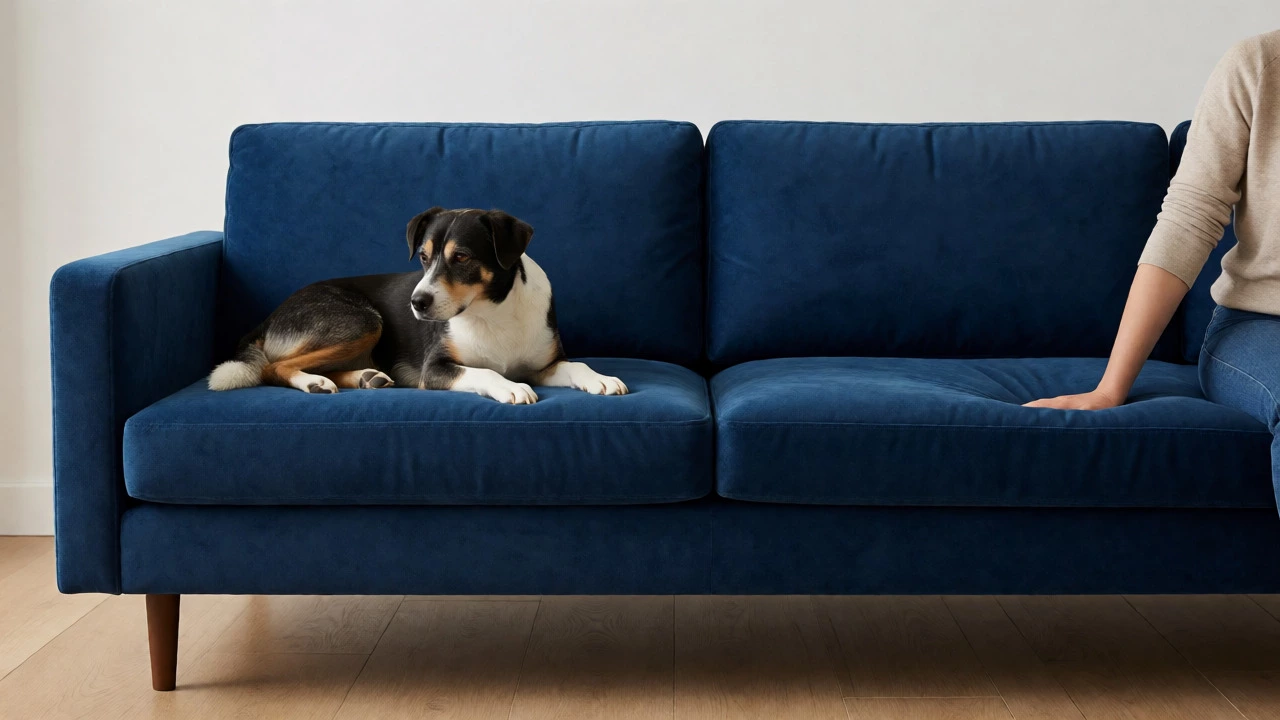
High-density foam wrapped in a thin layer of microfiber is ideal. It resists claw punctures better than loose down, which feathers can escape from torn seams. Additionally, choose a tightly woven synthetic fabric like olefin or performance polyester, which repels pet hair and is easier to vacuum clean.
How much should I expect to pay for a high-quality sofa?
Prices vary widely by region and brand, but generally, a high-quality three-seater with a hardwood frame and reputable upholstery starts around £1,000 to £1,500 in the UK market. Below this range, you are often compromising on frame materials or cushion density. Above £2,500, you are paying for designer labels or specialized features like power reclining mechanisms.
Do warranties really matter?
Yes, but read the fine print. A lifetime warranty on the frame is a good sign of confidence in construction. However, many warranties exclude normal wear and tear on cushions and fabric. Ensure the warranty covers structural defects like broken springs or warped frames, not just manufacturing errors like loose stitches.
Can I fix a sagging sofa myself?
Sometimes. If the issue is flattened cushions, replacing the foam inserts is a cheap and effective DIY fix. If the frame itself has loosened or the springs have broken, repair is often difficult and expensive unless you have woodworking skills. In those cases, replacement is usually more cost-effective than professional repair.