Furniture Longevity and Design: What You Need to Know in 2025
When you invest in furniture longevity, how long a piece lasts based on materials, construction, and care. Also known as furniture durability, it's not about the brand—it's about the frame, the foam, and whether you treat it like a daily tool or a temporary decoration. Too many people replace sofas and recliners every few years because they don’t know what actually wears out—and what doesn’t. A hardwood frame with high-density foam can last two decades. Cheap particleboard and low-resilience foam? That’s a five-year project.
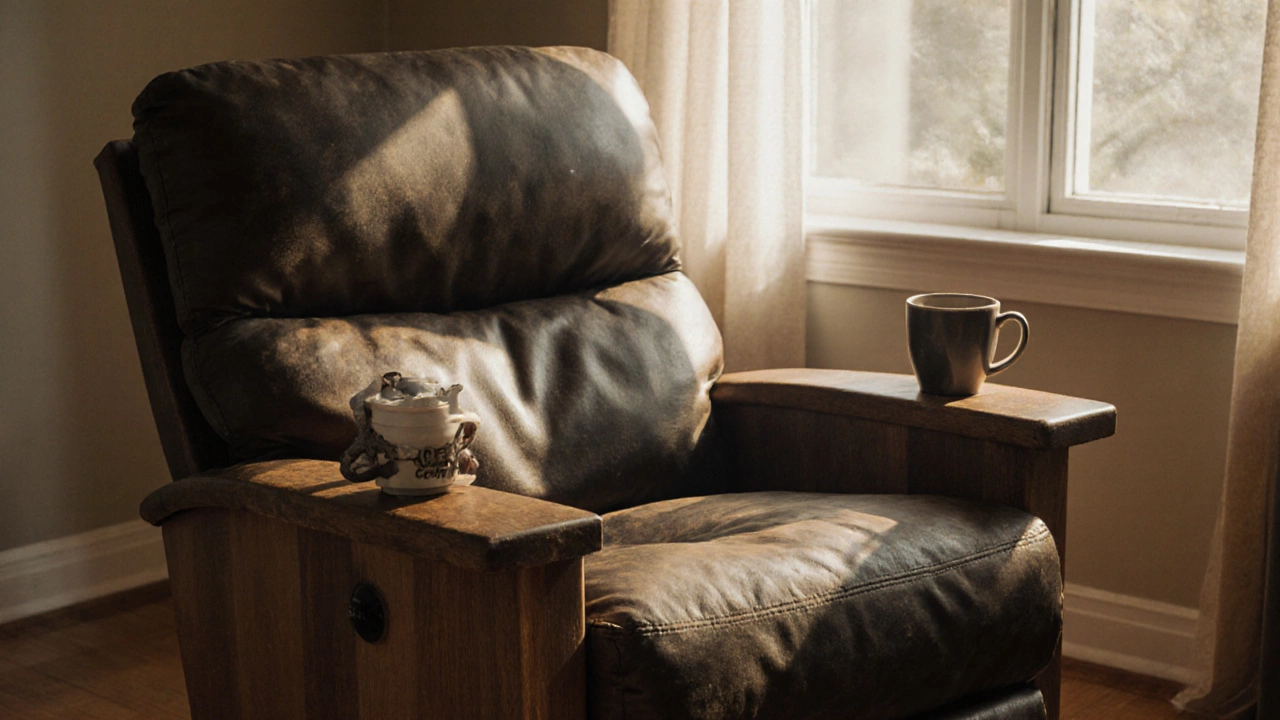
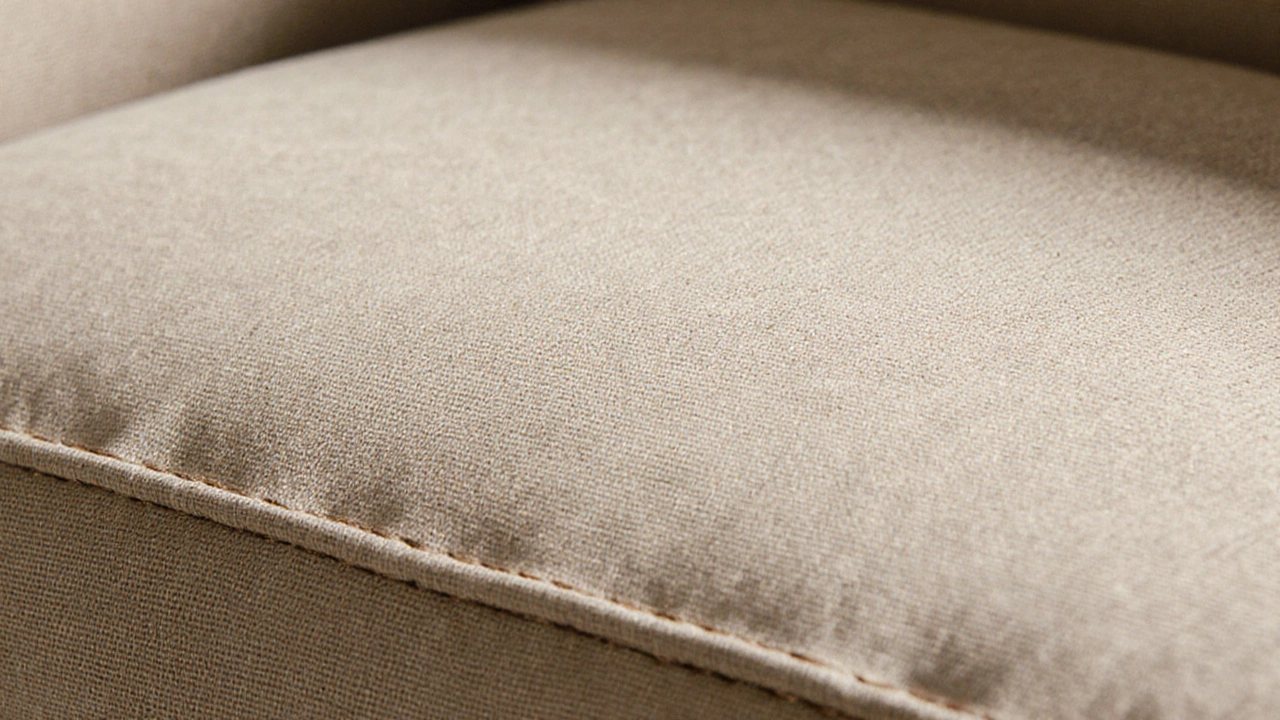
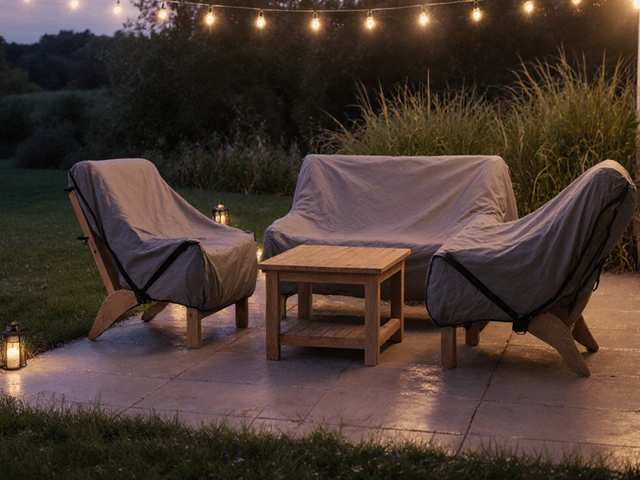
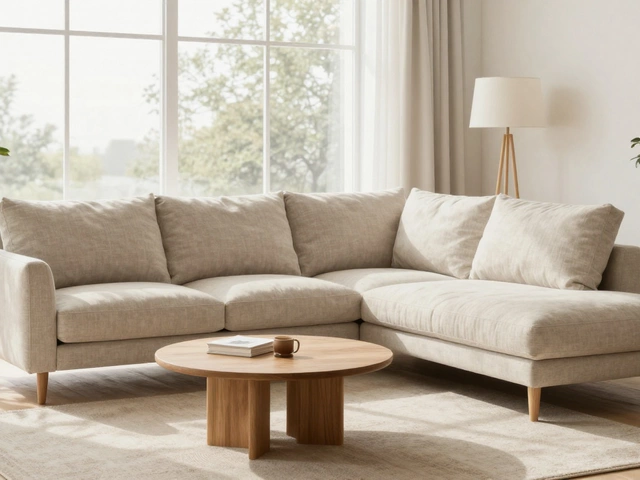
What makes a sofa look expensive isn’t the price tag. It’s the sofa design, the combination of fabric, leg style, stitching, and cushion fill that creates a premium feel. Also known as high-end sofa craftsmanship, it’s the quiet details: how the seams align, whether the legs are solid wood or plastic, if the cushions hold their shape after years of use. And if you’re sitting in a recliner and your legs ache? That’s not normal. It’s usually poor recliner comfort, how well the chair supports your body, especially your legs and lower back. Also known as recliner posture, it’s often fixable with a simple cushion or adjusting the angle—not a new chair. Outdoor furniture? Same rules. Covering your patio furniture care, protecting outdoor pieces from sun, rain, and pests to extend their life. Also known as weatherproof outdoor furniture, it’s not about covering every night—it’s about knowing when skipping it costs you more in the long run.
British Homes Use Different Words—Here’s Why
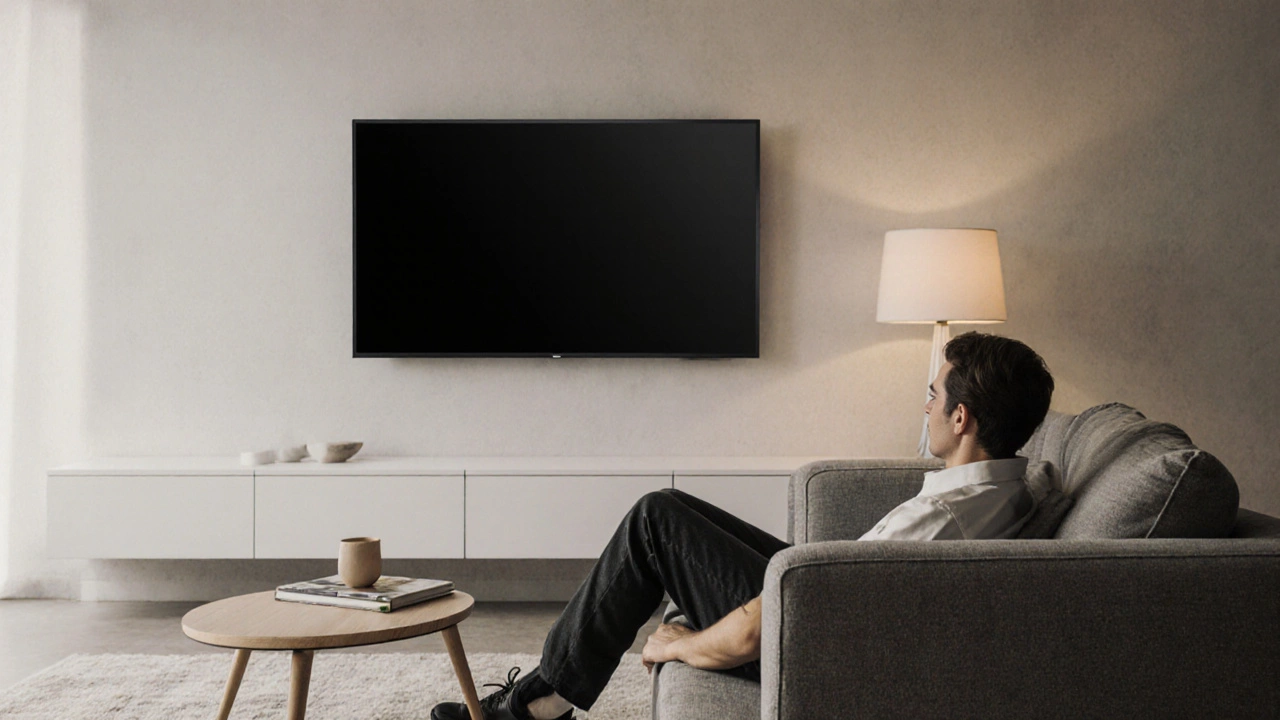
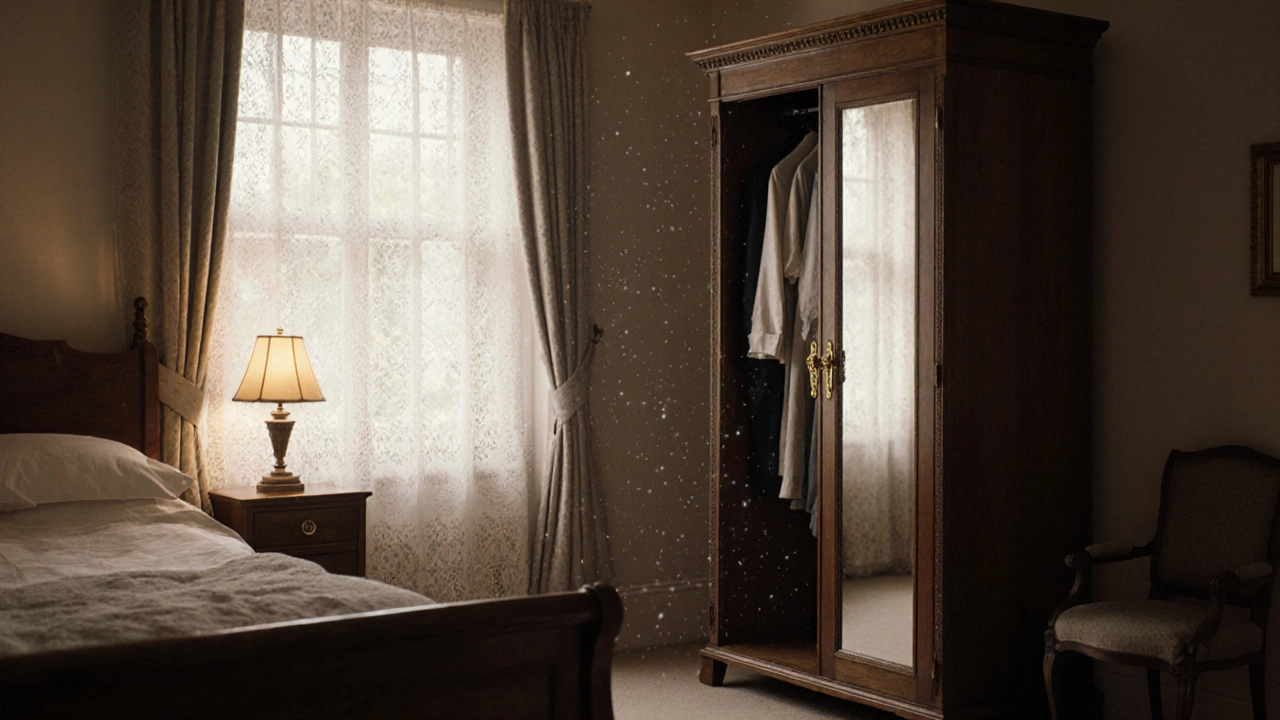
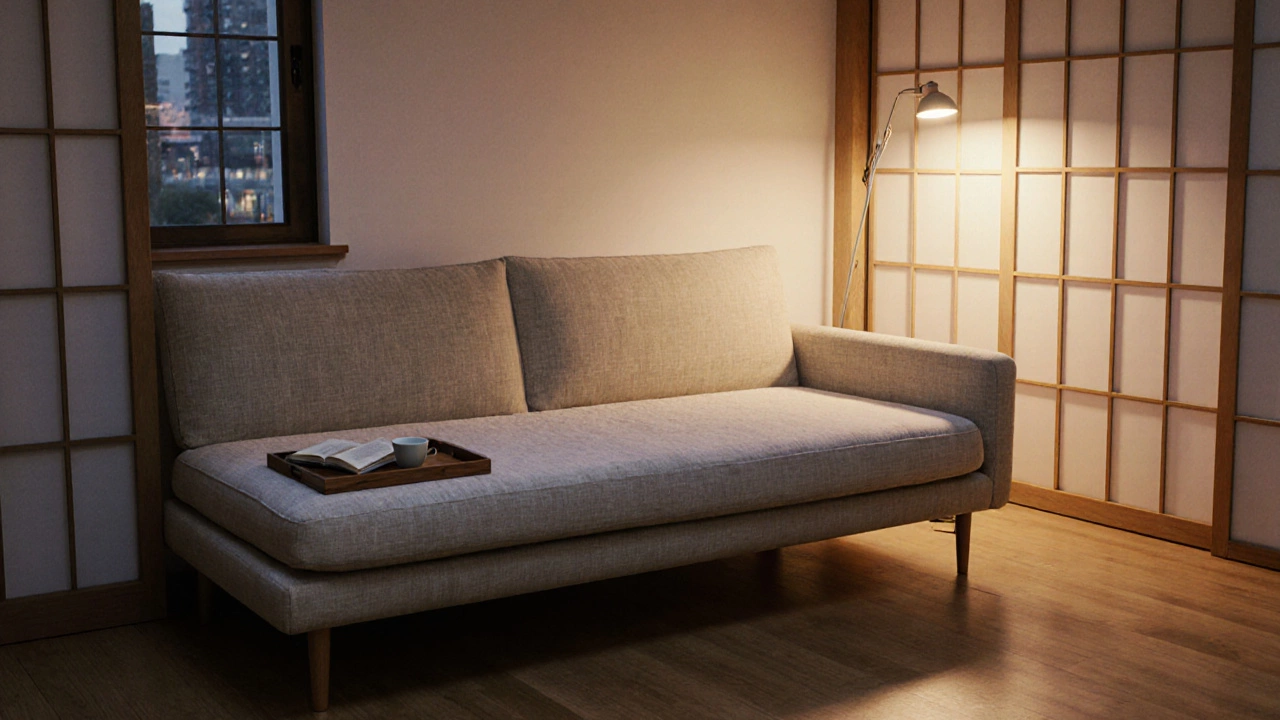
In the UK, you won’t hear people say "closet" for storing clothes. They say UK furniture terms, the local names for common household pieces that differ from American English. Also known as English wardrobe, it’s a small thing—but it tells you a lot about how people live. A wardrobe in England isn’t just a closet; it’s often a tall, built-in unit with hanging space, shelves, and drawers, designed for compact homes where every inch counts. That same mindset shows up in the rise of Japanese sofa bed, a low, firm, space-saving bed that doubles as a seating area. Also known as futon bed, it’s not a trend—it’s a smart solution for flats, rentals, and minimalist living. And if you’re mounting a TV above your coffee table? Don’t guess. The center of the screen should be at eye level when seated. That’s not a design rule—it’s a comfort rule. Neck pain from staring up at a TV? That’s avoidable.
What ties all these posts together? Real people, living in real homes, trying to make their spaces work better. No fluff. No hype. Just what lasts, what feels right, and what actually matters when you sit down, lie back, or walk into a room. Below, you’ll find clear, no-nonsense answers to the questions you didn’t even know you had—about chairs that hurt, sofas that look pricey, and furniture that outlives your lease.