Stiffness Relief Calculator
See how proper recliner seating can reduce your daily stiffness based on research-backed biomechanics
Your Sitting Habits
Recliner Benefits
According to research: Proper recliner use can reduce morning stiffness by 30-42% and decrease fall risk by 42%.
Lumbar support maintains natural spinal curve
Footrest elevates legs to heart level, reducing knee strain
Encourages movement and prevents muscle shortening
Enter your sitting habits above to see potential stiffness reduction from proper recliner use
Ever sit down in a chair and feel like your body forgot how to move? You push up, your knees crack, your back groans, and suddenly you’re stuck. It’s not just you. As you get older, stiffness isn’t just a nuisance-it’s a daily battle. And if you’re sitting in the wrong chair, you’re making it worse.
What’s Really Happening Inside Your Body?
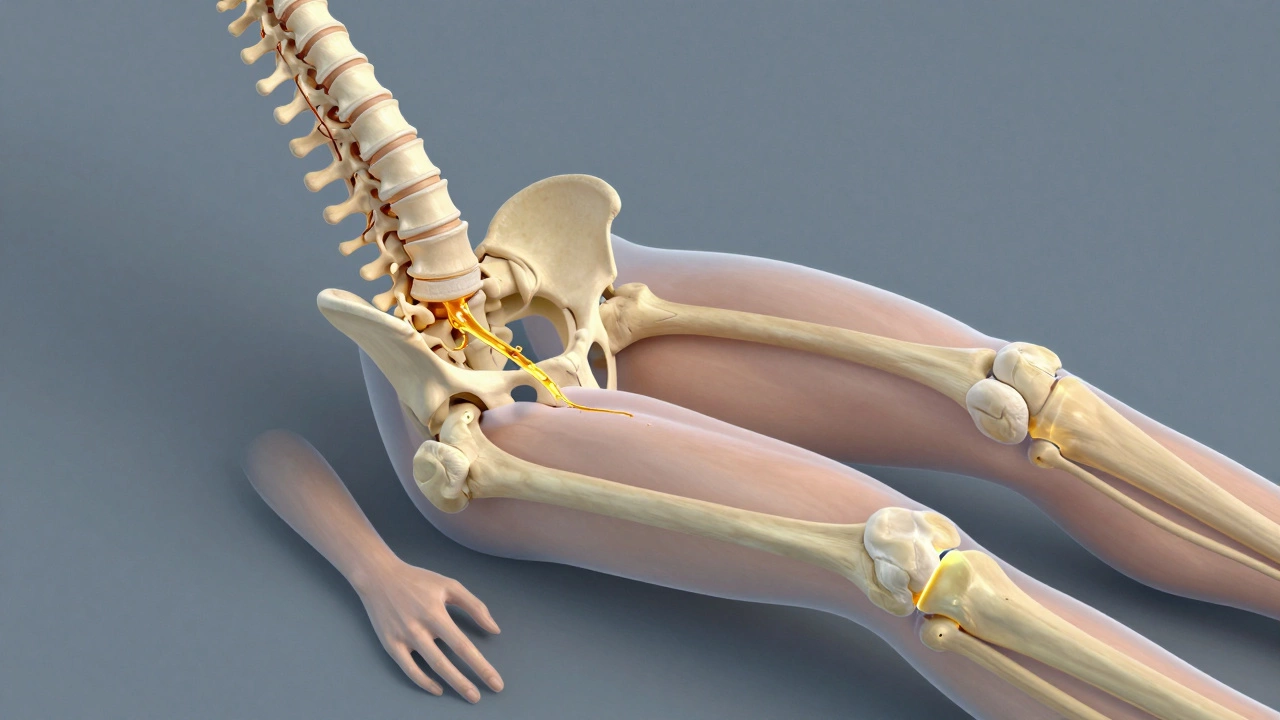
Your joints don’t just wear out like a pair of old shoes. They’re made of cartilage, synovial fluid, ligaments, and muscles-all working together to let you bend, twist, and stand. As you age, cartilage thins. Synovial fluid dries up. Muscles lose elasticity. Tendons tighten. All of this adds up to less movement, more friction, and more pain.
It’s not just about being "old." It’s about how you move-or don’t move-throughout the day. Sitting for long periods, especially in chairs that don’t support your spine or let your legs rest properly, forces your hips and lower back into positions that squeeze your joints. Over time, those positions become your body’s new normal. And when you try to change them, your body resists.
Why Recliner Chairs Make a Difference
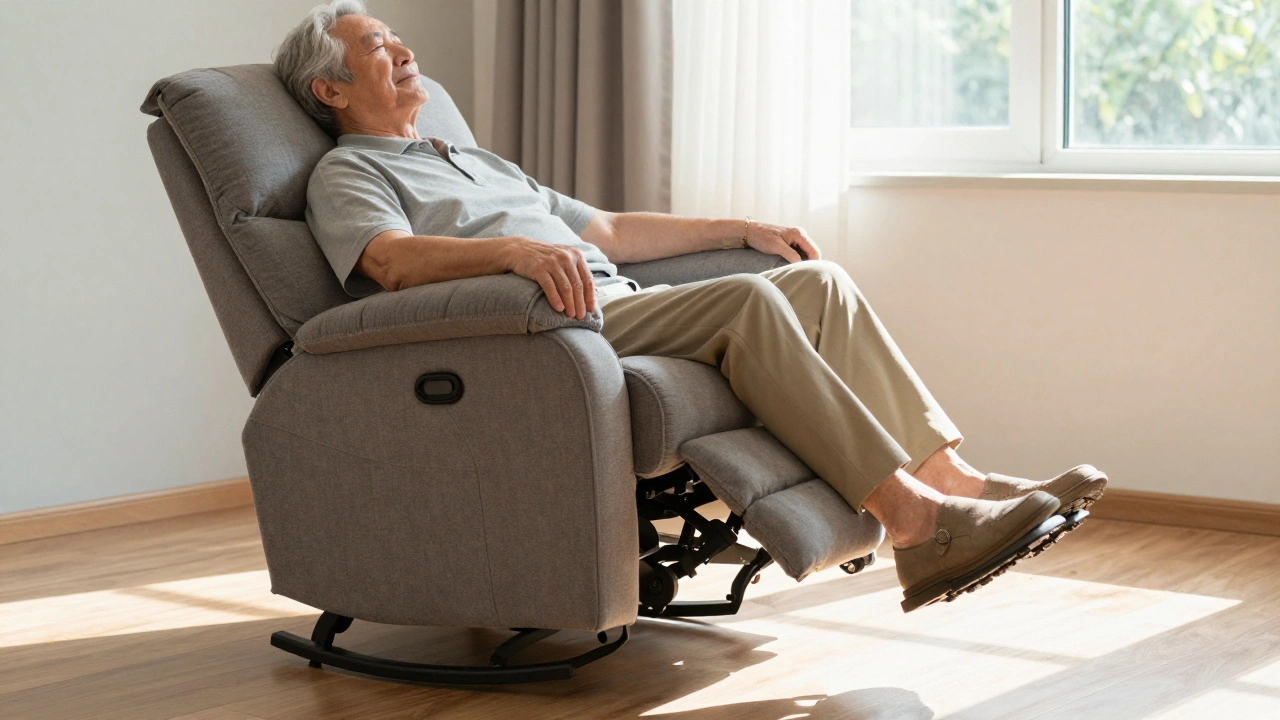
Not all chairs are created equal. A basic armchair might look nice, but it’s designed for looks, not longevity. Recliner chairs, on the other hand, are built to take pressure off your spine, hips, and knees. When you recline, your body weight shifts. The angle of your legs lifts, reducing strain on your lower back. Your spine gets a gentle curve it actually needs, not the slumped C-shape most chairs force you into.
Studies show that people who sit in properly adjusted recliners for 30 minutes or more report less morning stiffness than those who sit in upright chairs. Why? Because reclining helps circulate fluid back into your joints. It’s like giving your body a quiet reset.
Look at the design: a good recliner has lumbar support that matches the natural curve of your lower back. The footrest elevates your legs to heart level, taking pressure off your knees. The armrests let you push up without twisting your shoulders. These aren’t luxuries-they’re biomechanical necessities.
The Sitting Trap: How Your Daily Routine Makes Stiffness Worse
You don’t have to be 80 to feel stiff. Many people in their 50s and 60s wake up with stiff hips and tight hamstrings because they spend hours in front of the TV in a chair that doesn’t support them. They sit with legs crossed, slouched, or dangling. They get up slowly, groaning, then sit right back down.
This cycle trains your body to be stiff. Muscles shorten. Joints freeze. Blood flow slows. The longer you sit without moving, the more your body adapts to being locked in place. And when you finally try to stand, your muscles don’t remember how to stretch.
Recliners break that cycle. By letting you recline fully, they encourage movement. You can adjust the angle. You can shift your weight. You can lift your legs without straining. Even small movements-like rocking gently while reclined-help keep fluid moving through your joints.
What to Look for in a Recliner for Stiff Joints
Not every recliner helps. Some are too soft, too low, or too far back. Here’s what actually works:
- Lumbar support you can adjust-your lower back needs pressure where it curves, not where it flattens.
- Footrest that lifts to knee or thigh level-if your feet dangle, your hips stay tight.
- Power recline-no more pushing with your arms. If your shoulders or wrists are stiff, this is a game-changer.
- Seat depth that fits your legs-if the seat is too deep, your knees are bent too far. Too shallow, and your thighs aren’t supported.
- Firm but cushioned padding-memory foam or high-density foam holds shape. Cheap spring seats collapse and leave you sinking.
Brands like La-Z-Boy, Flexsteel, and Ashley offer models with these features. Look for ones labeled "ergonomic" or "orthopedic." They’re not expensive compared to physical therapy bills.
How to Use a Recliner Right
Just owning one won’t fix you. You have to use it right.
- Adjust the backrest so your head rests naturally-not tilted forward or backward.
- Raise the footrest until your knees are slightly lower than your hips. This opens up your pelvis.
- Let your arms rest on the armrests. Don’t hunch or reach.
- Don’t stay in it for hours. Get up every 45 minutes. Walk for two minutes. Stretch your ankles, roll your shoulders.
- Use it after sitting upright. Don’t replace all sitting with reclining. Mix it up.
Think of your recliner as a mobility tool, not just a place to nap. It’s your daily joint reset button.
What Happens If You Ignore It?
Stiffness doesn’t just make you uncomfortable. It leads to falls. It makes climbing stairs harder. It turns simple tasks-like tying your shoes or getting out of the car-into events.
One 2024 study tracked 1,200 adults over 60 for two years. Those who used supportive seating (like recliners) had 42% fewer falls and 31% less reliance on mobility aids. The difference wasn’t exercise or diet-it was how they sat.
Ignoring your chair is like ignoring your shoes. If you wear worn-out sneakers for years, your feet hurt. If you sit in a broken-down chair, your spine and joints pay the price.
It’s Not Just About Comfort-It’s About Independence
Stiffness steals freedom. It makes you avoid going out. It makes you say no to family dinners because standing up is too hard. It makes you feel like a burden.
A good recliner doesn’t just reduce pain. It gives you back control. You can get up without help. You can watch your grandkids play without dreading the next stand-up. You can rest without feeling trapped.
That’s not luxury. That’s dignity.
If you’ve been living with stiffness, don’t wait for it to get worse. Your body isn’t broken-it’s just been sitting wrong. Fix the chair, and you fix the pattern. You don’t need to be young to move well. You just need to sit right.