Storage Coverage Advisor
Enter your furniture details below to generate a custom protection plan.
Your Custom Strategy
Analysis pending...
Recommended Layers
Quick Checklist
- Check
- Check
- Check
Putting your prized possessions in storage feels safe until you see the results six months later. Nothing hurts more than opening a box or unwrapping a sofa to find mildew stains or deep scratches that weren't there before. The mistake usually isn't where you store the items; it is how you protect them while they sit unused. Choosing the right barrier between your furniture and the warehouse air determines whether things arrive pristine or ruined.
A furniture cover is a protective layer made from fabric or polymer designed to shield stored items from dust, moisture, and physical damage. Not every material works for every situation. Using a simple trash bag over a leather chair might save it from dust, but it will likely trap humidity against the surface. This leads to trapped condensation which fosters mold growth. We need materials that balance protection with breathability to keep your investments safe for the long haul.
Best Materials for Long-Term Protection
The market offers many layers you can buy at a moving supply store. Each option has a specific strength depending on what you are storing. You need to match the material to the furniture type to get the best result.
| Material Type | Breathability | Dust Protection | Moisture Risk |
|---|---|---|---|
| Cotton Drop Cloth | High | Good | Low |
| Moving Blanket | Medium | Moderate | Low |
| Plastic Sheeting | None | Excellent | High |
| Vacuum Seal Bag | None | Excellent | Variable |
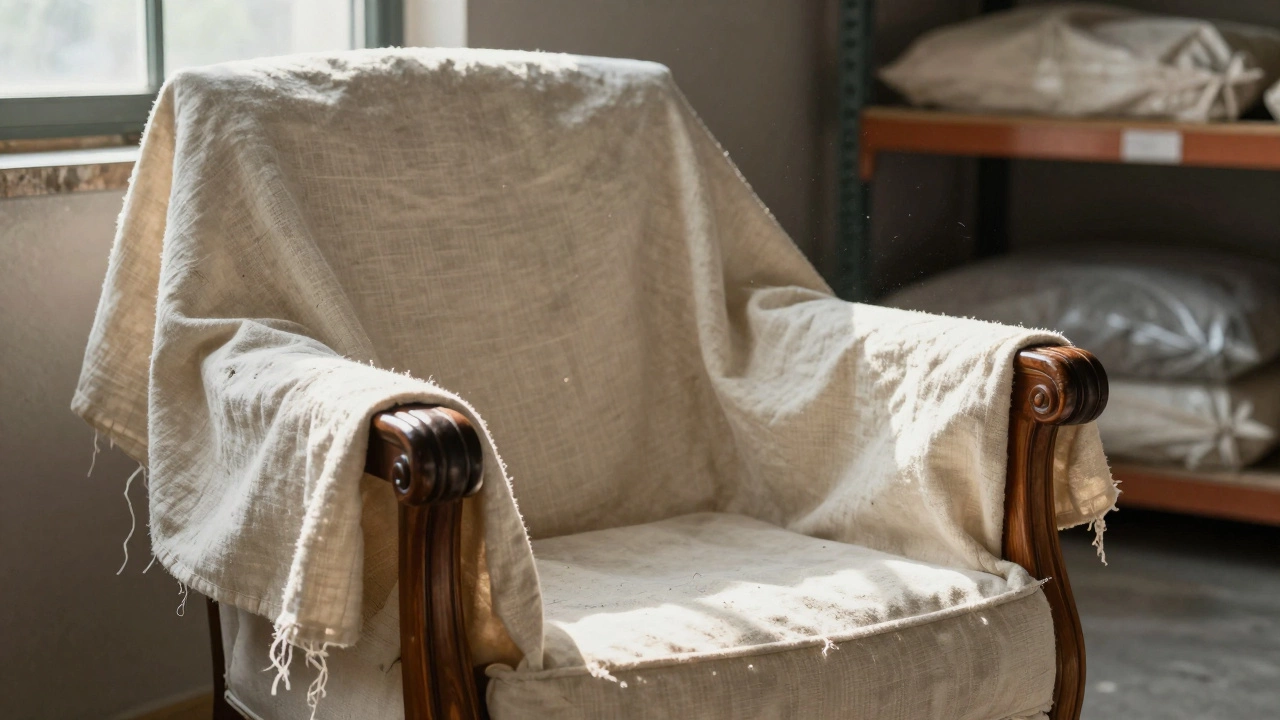
Cotton drop cloths rank high for wooden antiques. Unlike vinyl or heavy plastic, unbleached cotton allows the wood to breathe. Wood expands and contracts with changes in temperature and humidity. If you seal it in airtight plastic, the natural oils dry out or the wood cracks because moisture cannot escape. You want the cotton to absorb slight dampness in the air rather than pushing it against the varnish.
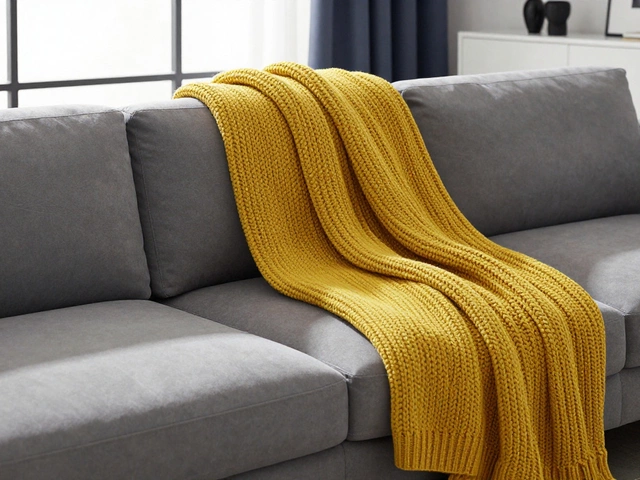
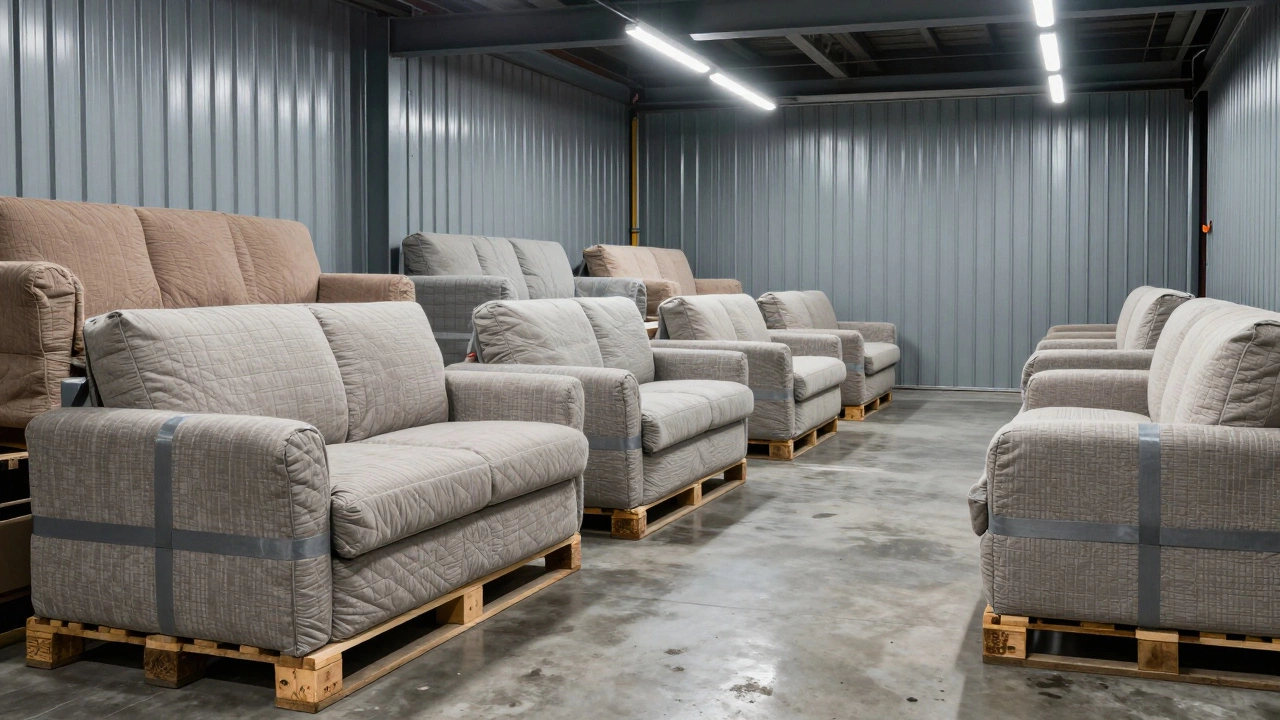
Fabric moving blankets are the go-to for bulky pieces like armchairs or sectional sofas. These provide cushioning against accidental bumps during transport or handling. While they don't offer the same dust seal as plastic, they prevent crushing marks and scuffs. For a mattress, these are essential. You never want a hard object pressing against memory foam or coils, so two or three blankets wrapped tightly work better than a thin sheet.
Then there is the issue of plastic sheeting. It is cheap and available everywhere, but it carries significant risk if used directly on surfaces. Many people drape a clear tarp directly over a TV stand or bookshelf. Over weeks, the air trapped between the cold wood and the plastic warms up slightly. This temperature difference creates condensation. That moisture sits on the finish and turns black with mold spores eventually. If you must use plastic, apply it over another breathable layer, not directly on the wood.
Preparing Furniture Before Wrapping
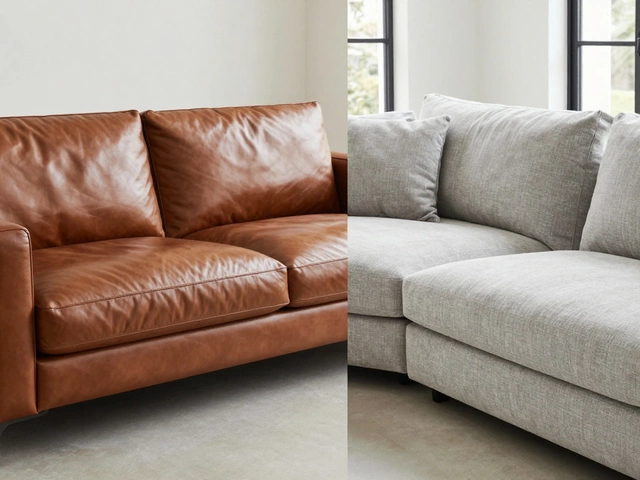
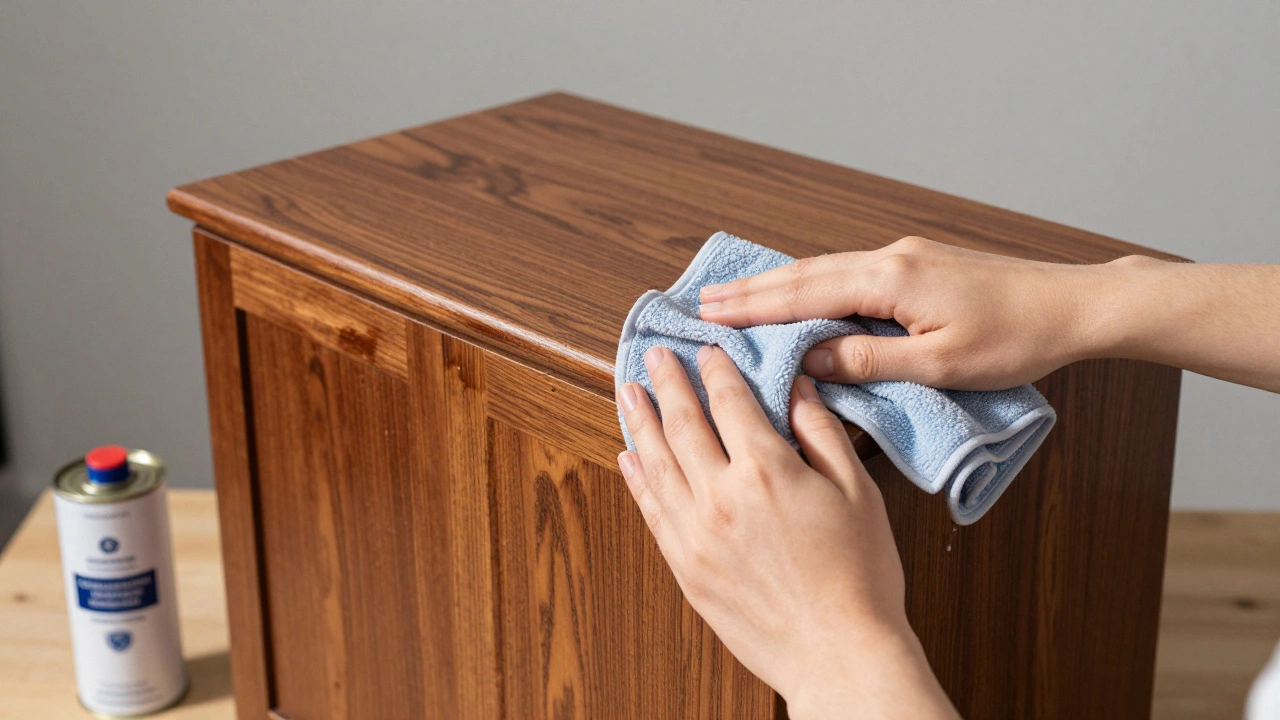
Cleaning is a step almost everyone rushes, yet it causes most storage failures. Placing dirty furniture under a blanket traps grease and grime against the fibers. Over time, this stains the upholstery permanently. Before you even pick up a roll of fabric, clean the items thoroughly. Wipe down hardwoods with a soft cloth. Vacuum fabric sofas to remove food particles. Leather needs conditioning to stay pliable.
If you notice any water damage or signs of bugs before storage, stop immediately. Do not cover active mold or pests, or you will spread the infestation throughout the unit. Treat the problem first. Once clean, let the furniture air dry completely. Moisture hidden in a cushion or wood joint will rot faster in the dark than in sunlight.
Disassembly plays a role too. Take apart bed frames, lamp bases, and detachable legs. These components catch edges that dig into other pieces. Wrapping sharp corners individually prevents scratching softer surfaces when stacked.
Managing the Storage Environment
Your choice of cover matters less if the environment is hostile. A covered item in a humid warehouse still suffers. The unit itself dictates the level of protection needed. If you are using a facility with climate control, you have more flexibility with lighter covers. The temperature stays steady, reducing expansion and contraction stress on materials.
In an outdoor or shed-style unit, you face wide swings in heat and cold. Here, insulation becomes important. Thick blankets help stabilize the micro-climate around the furniture. They slow down the transfer of outside heat or cold. Elevate items off the concrete floor. Water vapor rises from the ground easily. Using pallets or wood dunnage keeps covers dry and prevents rodents from building nests inside your boxes.
Air circulation remains vital. Do not stack covered items directly against walls. Leave a few inches of space on all sides. Stagnant air encourages mold growth even with breathable fabrics. If you live in a region with high pollen or humidity, check on your items occasionally during extended storage periods to inspect for leaks or settling.
Special Cases for Sensitive Items
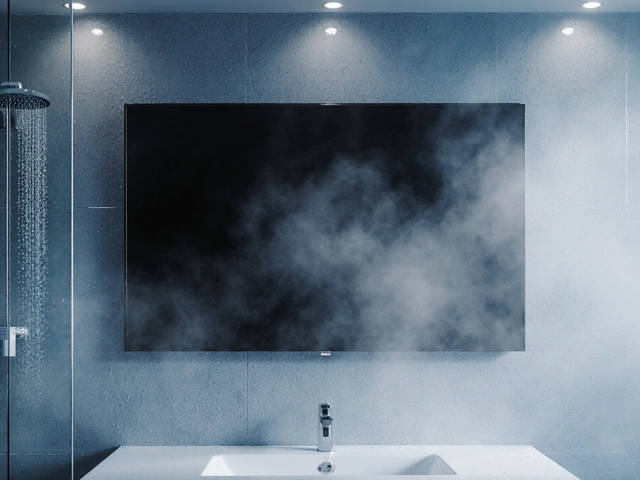
Electronics require different care than wood or fabric. Old televisions, stereo receivers, or gaming consoles should never go into vacuum bags. The pressure can damage internal circuit boards or screen layers. Keep electronics in their original boxes if possible. Cardboard provides decent buffering. If you lack the box, line a sturdy cardboard container with bubble wrap.
Paper products like art prints or albums need acid-free sleeves. Acidic paper degrades over decades in storage, leading to yellowing and crumbling. Glass tops on tables are fragile. Use packing tape to secure glass panels to the frame, then wrap the whole unit in a quilted pad. Taping prevents shifting that causes vibration cracking.
Uphstery cleaning solvents leave behind residue that attracts pests again. Always follow manufacturer cleaning guidelines. If you hired professionals to clean your couch, wait until the chemicals have fully evaporated before wrapping it up.
Can I use regular garbage bags to cover my furniture?
No, standard polyethylene garbage bags are not ideal. They are not breathable, trapping moisture inside. They also degrade quickly in UV light if the storage unit has windows. Stick to heavy-duty plastic tarps only if you have a breathable cloth layer underneath them.
How often should I check on stored items?
You should inspect your storage area every two to three months. Look for fresh droppings from mice, signs of water seepage, or mold spots on your covers. If you see issues, air out the room immediately and re-wrap with dry materials.
Are vacuum seal bags safe for clothes and linens?
Vacuum bags are excellent for textiles like wool coats or blankets. They save massive amounts of space. However, do not use them for anything with stuffing or rigid structures, such as pillows or stuffed animals, as compressing the fill permanently damages the shape.
Why did my wood finish get cloudy after storage?
Cloudiness happens when moisture gets trapped against the varnish due to plastic wrapping. The plastic prevented evaporation. Next time, use cotton sheets that let the wood regulate its own moisture levels relative to the storage air.
Do I really need climate-controlled storage?
Climate control costs more but preserves sensitive items much better. Electronics, musical instruments, fine art, and mahogany furniture strongly benefit from consistent temperatures. For simple metal chairs or basic mattresses, a standard dry unit works fine.
Cost-Efficiency Tips for DIY Protection
You do not always need custom fitted slipcovers to save money. Bed sheets work surprisingly well for smaller chairs. Tie them securely with rope so wind inside the unit doesn't rip them loose. An old towel stuffed inside a hollow leg prevents dust accumulation inside that cavity.
Check local thrift stores for old blankets. You might find heavy flannel throws that fit oddly shaped items perfectly. Wash these secondhand items first to kill bacteria or fleas. Reusing household textiles saves cash and reduces landfill waste compared to buying new single-use plastic wraps.
Labeling is part of the protection strategy. Write "DO NOT CRUSH" on the top of boxes containing fragile items. Workers may move your goods during the contract period. Marking items clearly helps everyone treat them with caution when loading or unloading the facility.
Taking these measures ensures your furniture survives the waiting period intact. Whether you are downsizing for a vacation home or clearing out a renovation site, the method matters just as much as the destination. Prioritize breathing fabrics over cheap plastics, keep everything clean before sealing, and monitor the environment regularly. This approach keeps your items ready for immediate use once the lease expires.