When to Buy Furniture: Best Times, Deals, and Smart Tips
When you're thinking about buying furniture, physical items designed for seating, storage, or support in homes and offices. Also known as home furnishings, it's not just about style—it's about timing, materials, and how long it’ll last. Most people buy furniture when they move or when something breaks. But the smartest buyers wait for the right moment. And that moment isn’t random—it follows patterns most stores don’t tell you about.
The best time to buy sofas, large upholstered seats for multiple people, often the centerpiece of a living room is late January or late July. That’s when retailers clear out last year’s models to make room for new ones. You’ll find the same frame, same foam, same fabric—but 30% off. Same goes for bed frames, the structural base that supports a mattress, often made of wood or metal. Memorial Day, Labor Day, and Black Friday aren’t just sales holidays—they’re when inventory turns over fast. Stores need to move stock, and that’s your leverage.
But timing alone won’t save you if you don’t know what to look for. A cheap sofa might look great in the showroom, but if the frame is pine instead of hardwood, it’ll creak in a year. Cushions with low-density foam collapse fast. That’s why posts like How to Tell a Good Sofa and Lazy Boy Furniture Longevity matter—they break down what actually holds up over time. You don’t need to spend $3,000, but you do need to know the difference between a frame that lasts 15 years and one that falls apart after 18 months.
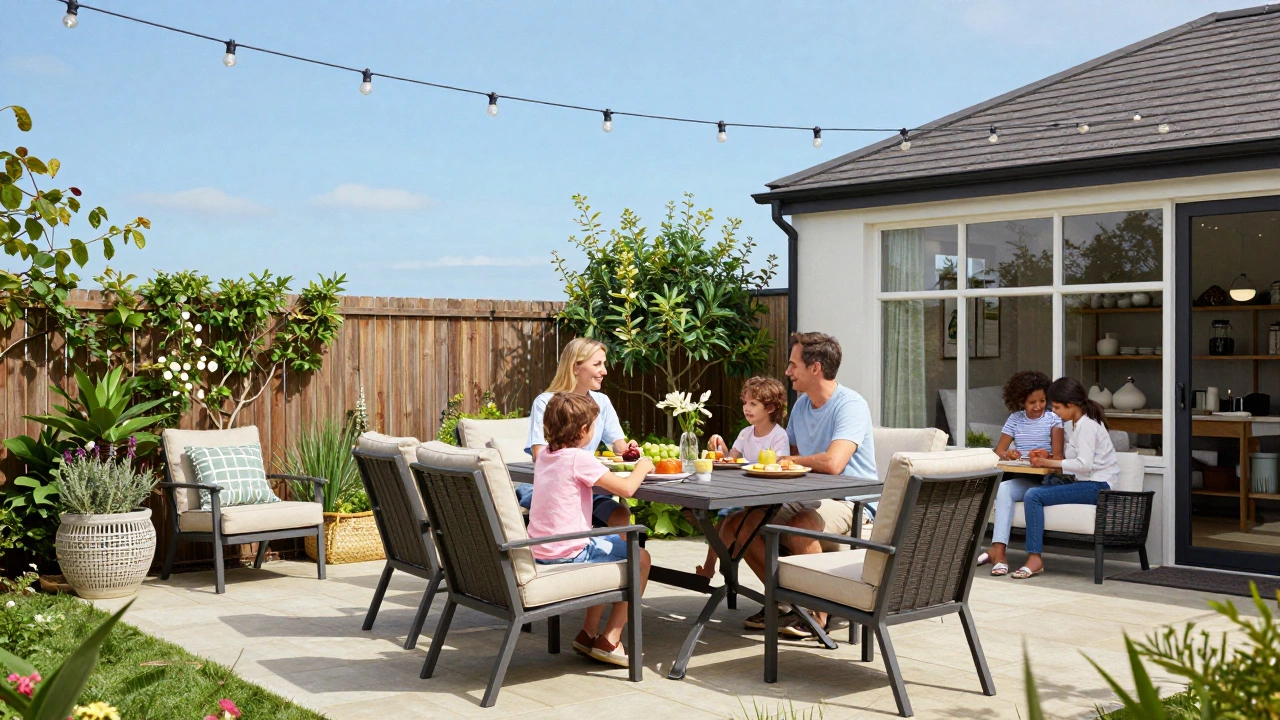
And it’s not just about the sofa. If you’re shopping for outdoor furniture, pieces designed to withstand weather, often made from recycled plastic, metal, or teak, buying in spring gives you the most selection. But if you wait until fall, you’ll find deep discounts on last season’s stock—especially if it’s been sitting under cover. The same logic applies to desk chairs, ergonomic seating designed for long hours at a computer, often with adjustable features. Office supply stores slash prices in January after holiday spending slows down.
What most people miss is that furniture quality doesn’t change with the season. What changes is the price. A well-built furniture piece doesn’t get better in summer—it just gets cheaper. That’s why the posts here focus on real-world testing: how long Lazy Boy chairs last, what sofa depth actually feels best for your body, and why beige sofas are dominating 2024 not because of trends, but because they’re versatile and hide wear. You’re not buying decor—you’re buying function that lasts.
And if you’re in the UK, remember this: terms like "wardrobe" and "Dutch bed" aren’t just words—they’re clues to what’s available locally. Knowing what to call something helps you find the right piece without wasting time. The posts below don’t just list sales—they show you how to spot value, avoid traps, and pick pieces that work for your life, not just your Instagram feed.
Below, you’ll find real answers from people who’ve tested these pieces, lived with them, and learned the hard way. No fluff. No hype. Just what works—and when to buy it.