Under TV Storage: Clever Ways to Hide Your Gear
If you’ve ever stared at a jumble of cords and gadgets below your flat‑screen, you know the feeling – it ruins the look of the room. The good news? You don’t need a full‑blown remodel to tidy things up. By using the space under your TV, you can stash consoles, routers, and even books without cramping the style of your living area.
Why Use Under TV Storage?
First off, the area beneath your TV is often wasted. It’s a natural shelf that’s already at eye level, which means you can reach stuff without bending. Hiding electronics there also protects them from pet hair and dust that tend to settle on lower furniture. Plus, a clean line of sight makes the whole room feel bigger – a trick that works especially well in smaller UK flats.
Another plus is safety. Loose cords on the floor are a tripping hazard, especially if you have kids running around. Tucking them into a low profile cabinet reduces that risk instantly. And when you’re hosting friends, a tidy set‑up looks more polished, helping you earn those compliments on your décor.
Top Under TV Storage Options
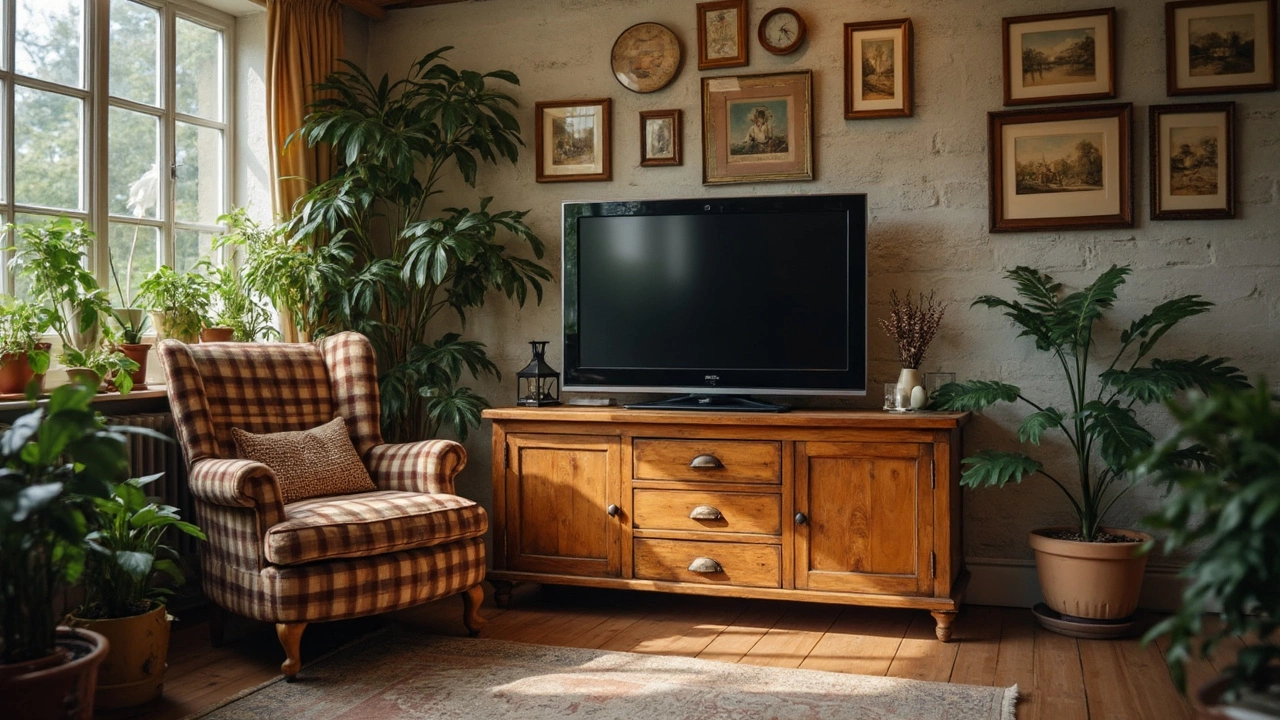
1. Low Media Console – A slim console that slides under the screen is the simplest solution. Look for one with built‑in cable management holes; they keep wires out of sight and make connecting new devices a breeze.
2. Floating Wall Shelf – If floor space is at a premium, mount a shallow shelf that runs the width of your TV. You can place a thin box on it to hide a gaming console or a streaming stick. Choose a shelf with a lip to keep items from sliding off.
3. Custom Built‑In – For a truly seamless look, hire a carpenter to create a bespoke cavity that fits right under your TV. This option lets you match the finish of your existing wall panels and includes hidden drawers for controllers and DVDs.
4. Rolling Cart – A small, lock‑able cart on wheels gives you flexibility. When you need to move the TV for cleaning or rearranging, just roll the cart away and pop it back in.
5. Under‑TV Box – Pre‑made boxes designed specifically for consoles are a quick fix. They sit flush with the wall and often come with ventilation slots to keep devices cool.
When picking any of these, measure the distance from the TV mounting bracket to the floor. You’ll want at least a couple of inches of clearance so the TV can swivel without hitting the storage unit. Also, check the weight rating – a heavy gaming PC needs a sturdier base than a slim soundbar.
Don’t forget cable management. Use zip ties or Velcro straps to bundle cords together, then run them through the back of the storage piece or a dedicated grommet. A short length of cable cover can hide any stray wires that still peek out.
Lastly, think about ventilation. Electronics generate heat, and trapping them under a closed cabinet can cause overheating. Choose a storage option with vents, or leave a small gap at the back for airflow. A tiny fan can also help if you’re stuffing several devices together.
With these practical ideas, you can turn the awkward space under your TV into a tidy, functional zone. No need for expensive renovations – just a bit of planning and the right storage piece will give your living room a cleaner, more modern vibe.