TV Height Over Coffee Table: The Right Setup for Your Living Room
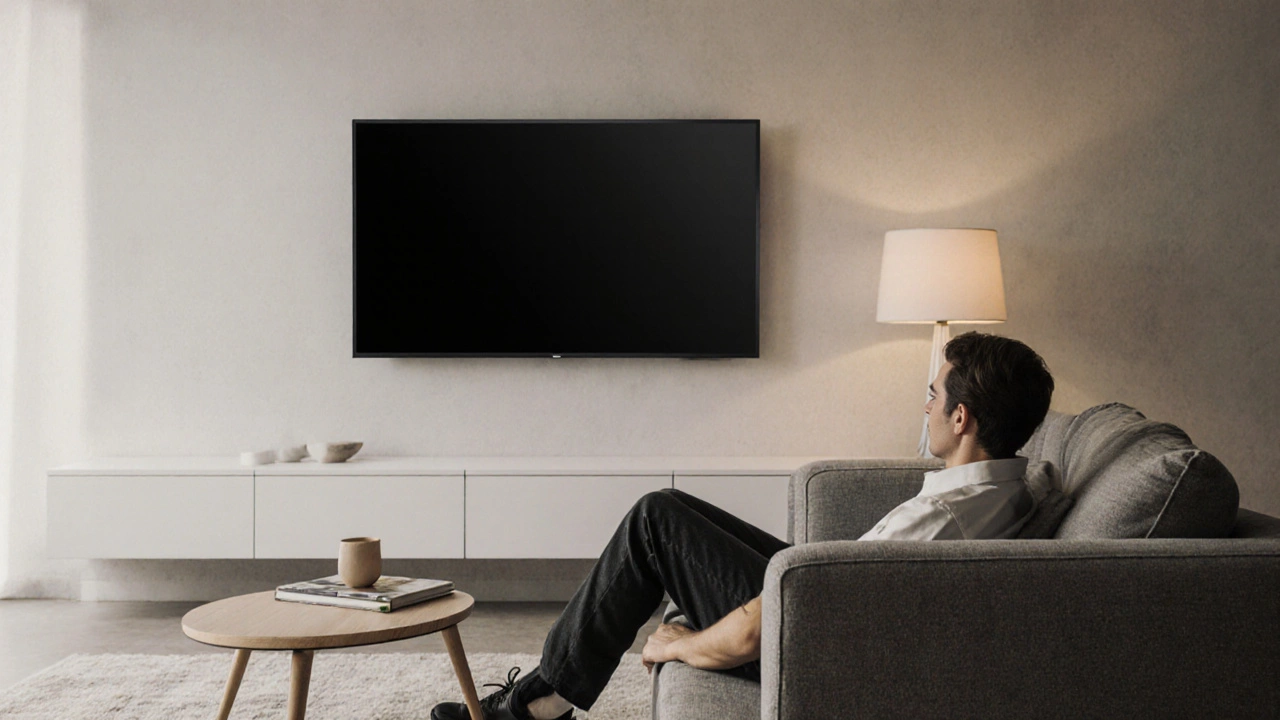
When you sit on your sofa, your eyes should naturally land on the center of the TV, a screen designed for viewing at seated eye level in a living room setting. Also known as a television, it’s not just a device—it’s the focal point of how you relax, watch movies, or catch up on shows. But if the TV is too high, too low, or mismatched with your coffee table, a low, central piece of furniture placed in front of a sofa for convenience and style, you’re straining your neck, not enjoying your show. The TV height over coffee table isn’t about matching sizes—it’s about creating a visual and physical balance that feels natural after just a few minutes of sitting.
Most people get this wrong because they assume the TV should sit at the same height as the coffee table, or worse, mount it above a fireplace. That’s not how human eyes work. When seated, your eyes are usually about 40 to 45 inches off the floor. The center of your TV screen should line up with that level. That means if your coffee table is 16 to 18 inches tall, and your TV stand adds another 4 to 6 inches, you’re already in the right zone. But if you’re using a wall mount and the TV sits 50 inches up, you’re looking up at an angle that’ll make your neck ache by episode three. This isn’t just about comfort—it’s about long-term health. People who sit with their head tilted up for hours are more likely to develop tension headaches and shoulder pain.
The TV stand, a piece of furniture designed to hold a television and often other media devices matters just as much as the TV itself. A stand that’s too tall makes the TV look like it’s floating above the room. Too short, and it’s buried behind the coffee table. You need clearance—usually at least 6 inches between the top of the coffee table and the bottom of the TV. That way, you’re not staring at the frame or struggling to see over a bulky remote or speaker. And don’t forget weight. A 75-inch TV can weigh over 80 pounds. If your stand or wall mount isn’t rated for it, you’re risking more than a cracked screen—you’re risking safety.
People often overlook how lighting, room size, and seating distance play into this too. A big TV in a small room needs to be lower. A room with lots of windows? Avoid glare by keeping the TV lower than eye level. And if your sofa is deep or reclining, your head position changes. That means the ideal TV height might shift by a few inches depending on how you actually sit. This isn’t guesswork—it’s physics and ergonomics. Brands like POLYWOOD and others build outdoor furniture with precision; your living room setup deserves the same care.
You’ll find posts here that dig into TV stand compatibility, how recliners affect viewing angles, and why the wrong furniture layout can make even the best TV feel like a chore to watch. We’ve got real examples, measurements you can trust, and fixes that take five minutes—not a remodel. Whether you’re setting up a new space or just tired of craning your neck, the right height makes all the difference.