Outdoor Mold – What It Is and How to Fight It
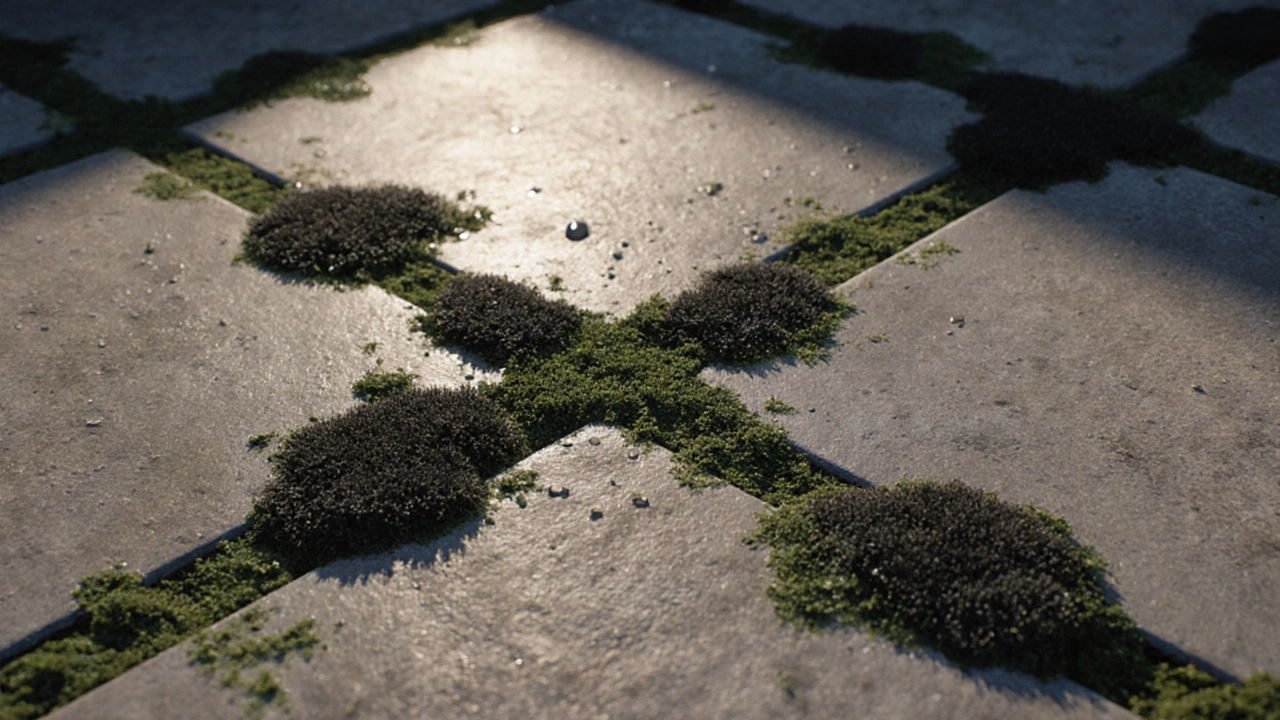
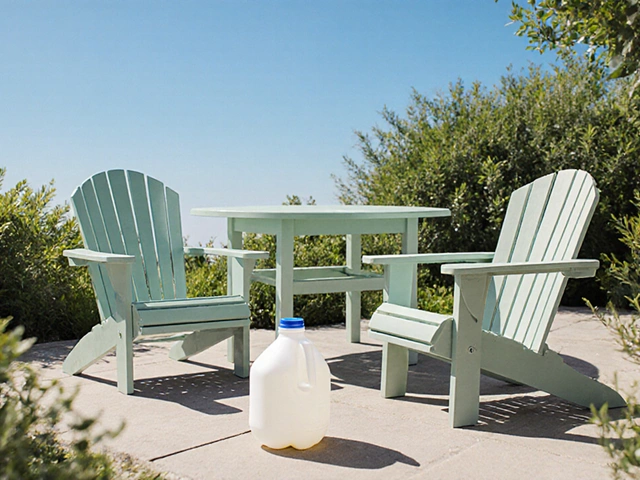
When dealing with Outdoor Mold, the fungal growth that appears on exterior surfaces when moisture and warmth combine. Also known as external mold, it can ruin patio tables, garden sheds, and even your favorite outdoor cushions. Mold removal, the process of cleaning and eradicating fungal spores often requires the right chemicals and tools, while weatherproof outdoor furniture, pieces built from rust‑proof metal, synthetic wicker, or treated wood can dramatically reduce future outbreaks. Outdoor mold thrives on moisture, so outdoor mold problems usually signal excess humidity or poor airflow. Understanding that relationship helps you target the source instead of just the symptoms.
Why Moisture and Temperature Invite Outdoor Mold
Think of outdoor mold as a picky guest: it only shows up when the air is damp and the temperature is mild. Humidity control, methods like using dehumidifiers, proper drainage, and shade structures directly cuts off the food supply for spores. When you improve airflow around a deck or keep plant pots on a saucer, you create an environment where mold finds it hard to settle. The material you choose matters too—synthetic fibers resist water absorption, while untreated wood can soak up rain and retain it for weeks, creating a perfect breeding ground. By pairing the right furniture with smart landscaping, you not only lessen mold growth but also extend the life of your outdoor pieces. This link between material choice and moisture management is a core principle for any garden owner looking to keep things clean.
Even with the best prevention, occasional growth is inevitable, so having a reliable removal routine is key. Mildew prevention, regular cleaning with vinegar, bleach solutions, or commercial fungicides keeps spores from establishing a foothold. Start by brushing off loose debris, apply a safe cleaner, let it sit, then rinse thoroughly. For stubborn spots, repeat the process or consider a professional treatment that reaches deep into porous surfaces. Schedule a quick inspection after heavy rain, and you’ll catch early signs before they spread. With these steps, you’ll transform a mold‑prone patio into a low‑maintenance oasis. Below you’ll find a curated set of articles that dive deeper into each of these topics, offering detailed guides, product reviews, and DIY hacks to help you stay ahead of outdoor mold.