Modern Sofas: What Makes Them Comfortable, Durable, and Stylish
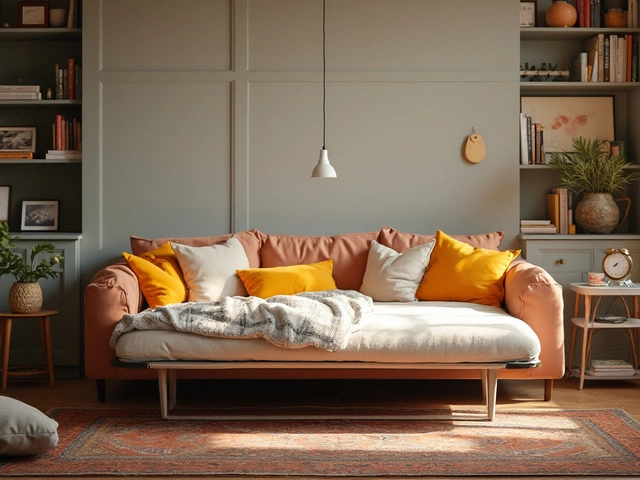
When you think of a modern sofa, a low-profile, clean-lined seating piece designed for contemporary living spaces. Also known as contemporary sofa, it's not just about looks—it’s about how it holds up under daily use, how it supports your body, and whether it still looks good five years later. Too many people buy based on color or a viral Instagram photo, only to realize the frame is particleboard, the cushions flatten in weeks, and the legs wobble after a month. A true modern sofa isn’t defined by its minimalist shape—it’s defined by what’s inside.
The best modern sofas, furniture built with solid hardwood frames, high-density foam cushions, and tightly woven, abrasion-resistant fabrics. Also known as premium seating, they’re made to last, not to trend. Look for frames made from kiln-dried hardwood, not plywood or MDF. Check the cushion density—anything under 1.8 lb/cu ft will sag fast. The fabric should have a Martindale rating of at least 20,000 cycles if you’re using it daily. These aren’t fancy specs—they’re basic requirements. And don’t ignore the legs. A modern sofa with metal or solid wood legs looks intentional. Plastic or flimsy ones scream "cheap."
Comfort isn’t one-size-fits-all. A sofa depth, the measurement from the front edge of the seat to the back cushion. Also known as seating depth, it determines whether you can fully stretch out or feel squished. If you’re tall, go deeper—22 inches or more. If you’re shorter or prefer to sit upright, 20 inches is ideal. The wrong depth turns a beautiful sofa into a backache machine. And don’t fall for the myth that firm means uncomfortable. The most durable modern sofas use firm foam that molds slowly over time—not memory foam that traps heat and collapses.
Style? That’s the easy part. But the sofa craftsmanship, the attention to stitching, seam alignment, corner block reinforcement, and hand-tied springs. Also known as custom-built seating, it’s what separates a mass-produced piece from something that feels made for you. You won’t see this in a catalog photo, but you’ll feel it every time you sit down. Look for double-stitched seams, corner blocks glued and screwed (not just nailed), and legs that are bolted on, not glued. These are the details brands hide because they cost more to do right.
And yes, a modern sofa can look expensive without costing a fortune. It’s not about leather or gold trim. It’s about proportion, fabric texture, and how the light hits the seams. A well-made sofa in a neutral tone like charcoal, beige, or deep olive doesn’t just fit your room—it grows with it. You’ll find that in the posts below: real tests on what lasts, what doesn’t, and why some sofas look luxurious while others look like they’re one cat nap away from disaster.