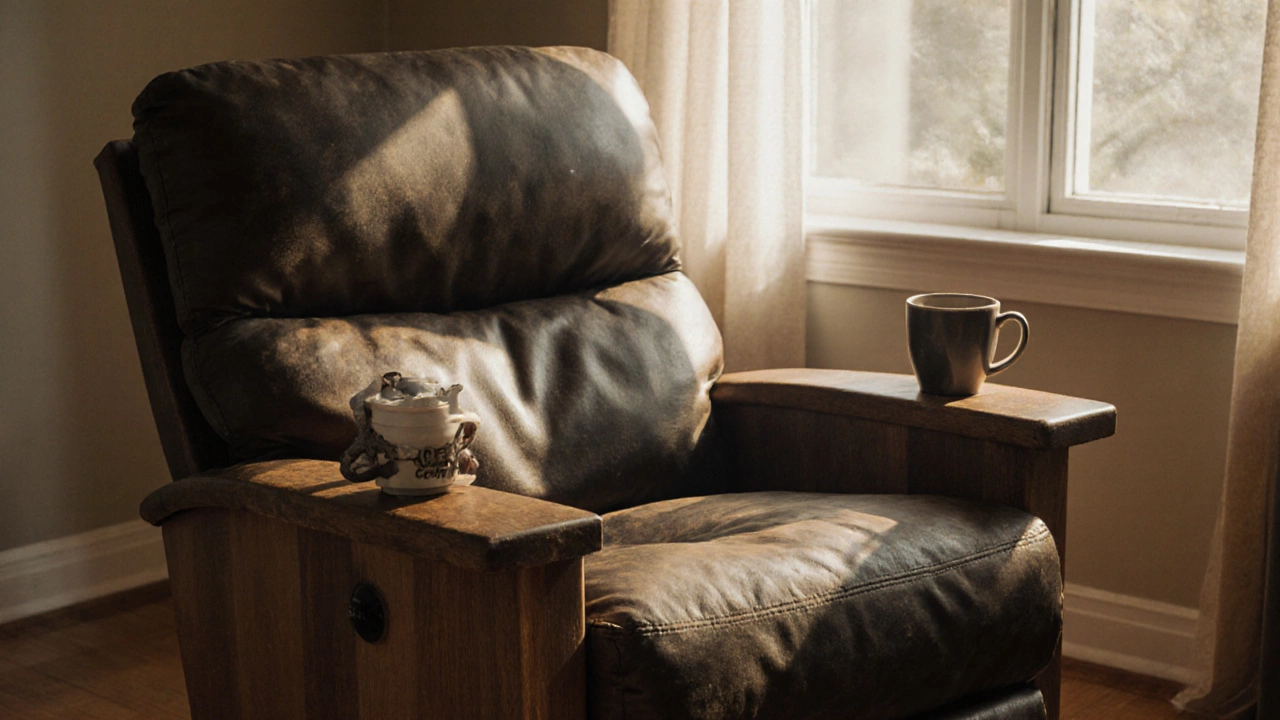
How Long Do Lazy Boy Chairs Last? Real Lifespan, Care Tips, and What Matters Most
When you buy a Lazy Boy chair, a well-known brand of reclining chairs made in the USA with a focus on comfort and durable construction. Also known as La-Z-Boy, it's one of the most recognized names in home seating, you’re not just buying a place to sit—you’re investing in years of relaxation. But how long do they actually last? The answer isn’t simple. Some last 15 years with minimal wear. Others start squeaking and sagging after five. It all comes down to how they’re made, how they’re used, and how well they’re cared for.
The frame is where the real story begins. A good Lazy Boy chair uses kiln-dried hardwood like oak or maple—not particleboard or softwood glued together. These frames are built to handle years of reclining, weight shifts, and daily use. The recliner mechanism, the internal lever and gear system that lets the chair tilt back and extend the footrest is another big factor. Cheaper chairs use stamped steel parts that bend over time. Lazy Boy’s higher-end models use forged steel or reinforced aluminum that stays tight for decades. Then there’s the upholstery, the fabric or leather covering that touches your skin every day. Leather holds up better than microfiber, but even top-grade fabric can last 10+ years if you avoid direct sunlight and clean spills fast.
Most people don’t realize that how you use the chair matters just as much as how it’s built. Leaning back too hard, putting your feet up while the chair’s still reclined, or letting kids jump on it? That’s how you break things fast. Regular cleaning, rotating cushions, and keeping pets’ claws trimmed go a long way. And don’t forget humidity—dry air cracks leather. Too much moisture invites mold in the foam. A simple dehumidifier in the living room can add years to your chair’s life.
There’s no magic number—like “10 years guaranteed”—because no two chairs are used the same. But if you pick a model with a solid hardwood frame, a metal recliner mechanism, and top-tier fabric or leather, and you treat it right, you can easily get 12 to 18 years out of it. That’s longer than most people keep their cars. And if you’ve got one that’s already 8 years old and still feels solid? You’re doing something right.
Below, you’ll find real-world insights from people who’ve lived with these chairs for over a decade. We’ll cover what makes them fail early, how to spot quality before you buy, and the simple habits that keep them working like new. No fluff. Just what actually helps your chair last.