Home Organization: Smart Tips to Keep Your Space Tidy
Feel like your house is a never‑ending mess? You’re not alone. Most people have a few spots that just won’t stay neat, but a few easy changes can make a big difference. Below are straight‑forward ideas you can start using today, no special tools required.
Storage Solutions That Actually Work
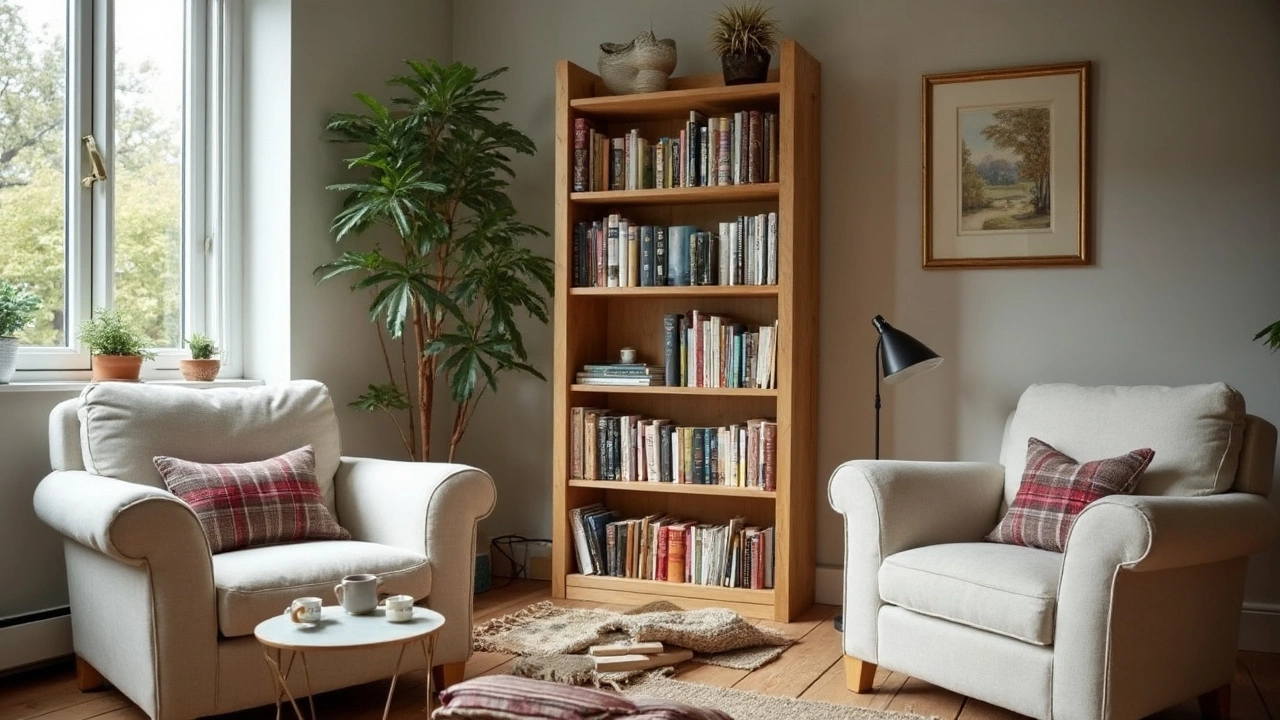
First, think vertical. Tall shelves, wall‑mounted racks, and hanging organizers use space that’s usually ignored. Put books, bins, or even shoes on a high shelf and keep the lower area free for daily items. A simple tension rod in a closet can hold scarves, belts, or rolled towels without taking up a drawer.
Second, label everything. A sticky‑note or a cheap label maker tells you exactly where things belong, and it saves you the mental effort of remembering. When everyone in the house can see the label, misplacing items drops dramatically.
Third, group similar things together. In the kitchen, keep all baking supplies in one basket; in the bathroom, store hair tools in a small bin. By clustering items, you reduce the number of places you have to search, and cleaning becomes quicker.
Furniture Care for Long‑Lasting Use
Keeping furniture looking good is part of staying organized. Wood pieces, for example, love stable temperature and low humidity. If you store a wooden table in an unheated garage, it can warp or crack. Use a climate‑controlled storage unit or keep wood furniture in a room with consistent climate.
Mold and mildew love damp corners. If a sofa or cushion sits in a basement, give it a breath of fresh air every few weeks and use a dehumidifier if needed. A quick vacuum and a light spray of a vinegar‑water mix can stop mold before it spreads.
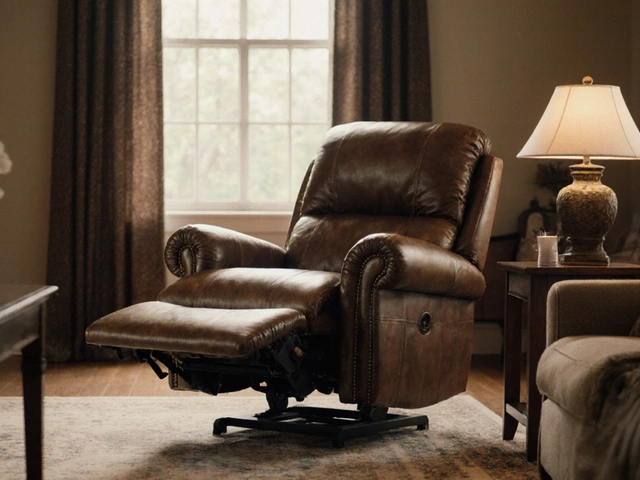
Upholstered items benefit from regular rotation. Flip sofa cushions every few months and vacuum fabric to pull out dust that can cause wear. For leather, a simple wipe with a damp cloth followed by a leather conditioner keeps it supple and prevents cracking.
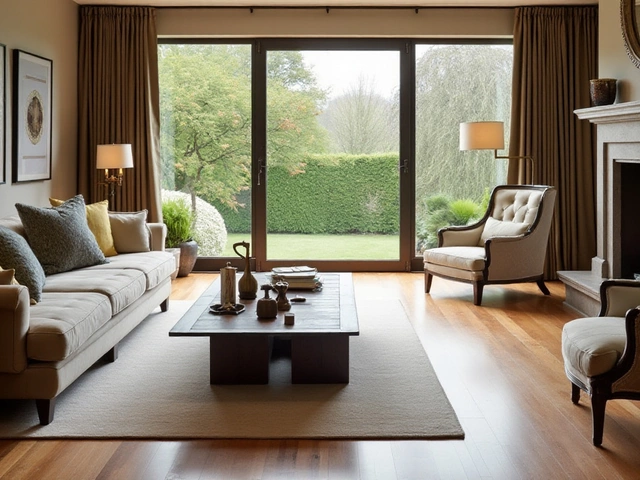
Lastly, think about placement. A coffee table doesn’t have to sit dead center. Move it to a corner if you need more walking space, or place a small table next to a chair for a convenient side surface. The same rule works for TV stands—if the wall is too crowded, a low cabinet can free up floor space and keep cables tidy.
Putting these ideas into action doesn’t need a major overhaul. Pick one room, apply a couple of tips, and watch the difference. When you see a cleaner, more functional space, you’ll naturally want to repeat the process elsewhere. Keep it simple, stay consistent, and enjoy a home that works for you.