Coffee Table TV Placement: Smart Layouts for Better Viewing and Space
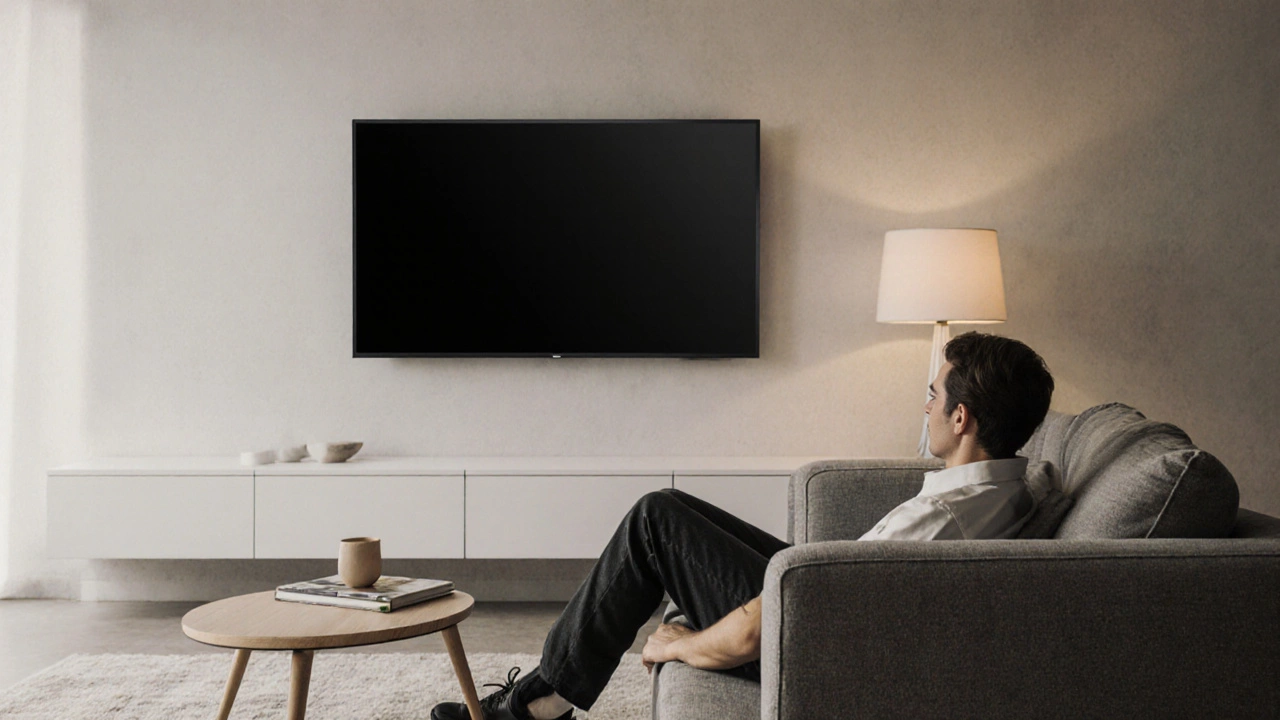
When you think about coffee table TV placement, the strategic positioning of a television relative to a coffee table in a living room to balance viewing comfort and space efficiency. Also known as media center arrangement, it’s not just about fitting the TV on a stand—it’s about how your eyes, body, and furniture work together. Too many people just plop the TV on a console and call it done. Then they end up craning their necks, sitting too close, or blocking the view with a bulky coffee table. It doesn’t have to be this way.
The best TV stand size, the width and depth of a furniture piece designed to hold a television, often paired with a coffee table should match your screen. A 75-inch TV on a 60-inch stand? That’s risky. You need at least 80% of the TV’s width supported. And if you’re putting the TV above a coffee table? That’s a whole different game. Most coffee tables sit 16 to 18 inches off the floor. That means your TV centerline—where your eyes naturally rest—should be around 40 to 45 inches high. That’s eye level when you’re seated. If your TV’s center is higher than that, you’re looking up. That’s not relaxing. That’s a workout.
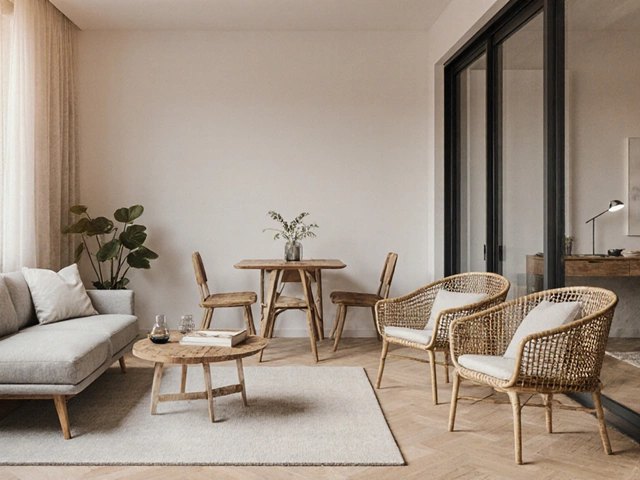
Then there’s the living room layout, the spatial arrangement of furniture, including seating, TV, and coffee table, to optimize flow, function, and comfort. Your sofa and coffee table shouldn’t feel like they’re fighting for space. Leave at least 18 inches between the edge of the coffee table and the front of the sofa. That’s enough room to stretch your legs without knocking over a drink. And if you’ve got a big TV, you need distance. The rule of thumb? Sit 1.5 to 2.5 times the screen size away. So for a 65-inch TV, aim for 8 to 13 feet. If you’re closer than that, you’ll see pixels. Too far, and you lose detail.
People forget that TV and sofa distance, the optimal space between a seating area and a television to ensure comfortable viewing without eye strain isn’t just about size—it’s about rhythm. You want to walk into the room and feel like everything belongs. The coffee table shouldn’t hide the TV. The TV shouldn’t dominate the room. They should feel like teammates. That’s why many smart setups use a low-profile media console instead of a tall TV stand. It keeps the line of sight clear and lets the coffee table do its job—holding drinks, books, remotes—without competing.
And don’t ignore lighting. If your TV faces a window, glare will ruin your evening. If it’s stuck in a corner with a lamp shining right on the screen? Same problem. The best placements avoid direct light hits. Use curtains, adjust angles, or pick a spot where the sun doesn’t shine during prime viewing hours.
What you’ll find below are real, tested setups from people who’ve been there—struggling with neck pain, blocked views, or furniture that just doesn’t fit. We’ve got guides on TV stand sizing, how to arrange seating around a fireplace with a coffee table, why some layouts make small rooms feel bigger, and how to pick the right height for your TV without hiring an interior designer. No fluff. No theory. Just what works in real homes with real people sitting on real sofas, watching real shows.