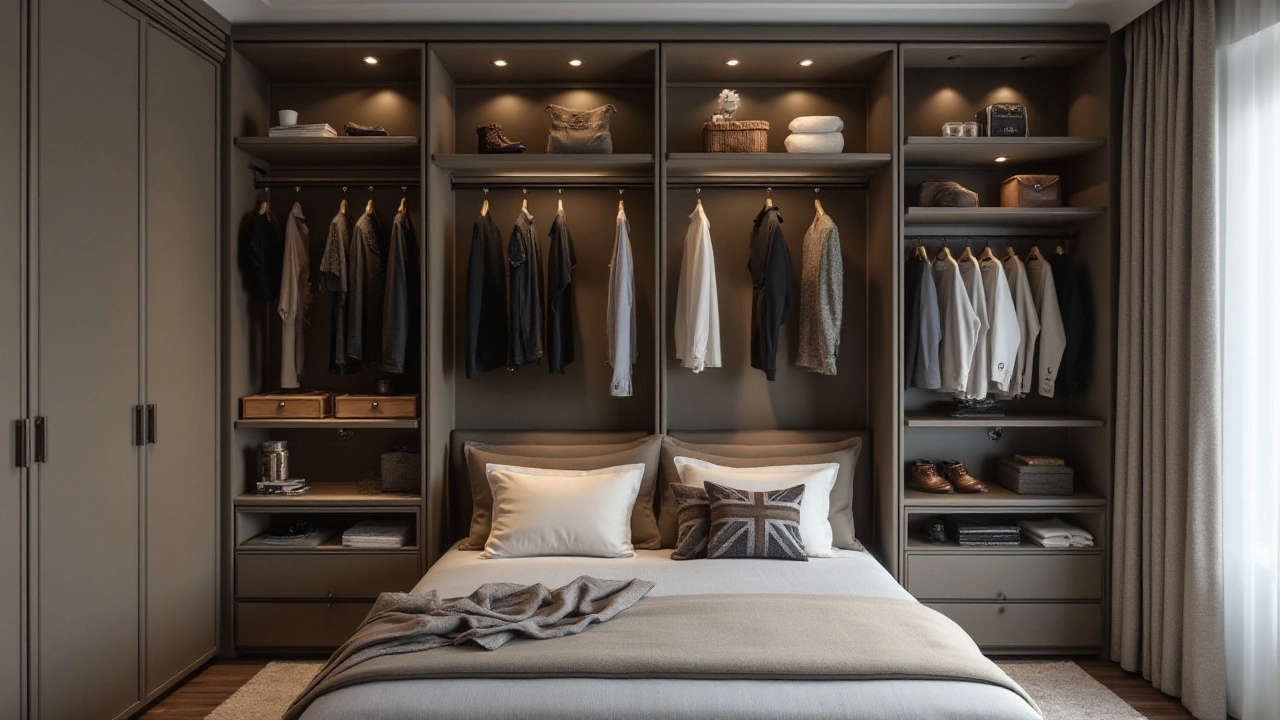
Clothing Storage Made Simple – Tips for Every Home
Got a pile of shirts, shoes, and scarves that never seems to quit growing? You’re not alone. The secret isn’t buying more space, it’s using what you have smarter. Below are down‑to‑earth ideas that turn any room, cupboard or corner into a functional wardrobe.
Pick the Right Storage Piece for Your Space
First, figure out what fits your room. If you have a spare wall, a tall wardrobe or armoire does wonders – it hides clutter and adds a classic look. For tight apartments, a free‑standing closet with sliding doors saves floor space and lets you slide items in without wrestling the door open.
Don’t dismiss vintage pieces. An old dresser repurposed as a bench can hold shoes underneath while giving you a place to sit while you dress. Adding a few sturdy baskets on the top drawers creates instant compartments for socks or accessories.
When you shop for new storage, look for adjustable shelves. The ability to move shelves up or down means you can accommodate everything from long coats to short jackets without wasting height.
Everyday Hacks to Keep Clothes Fresh and Easy to Find
Now that you have the right furniture, it’s time for quick habits. Start by grouping similar items together – shirts with shirts, pants with pants. Use slim, non‑slip velvet hangers; they keep clothes from sliding off and take up less space than bulky wooden ones.
Seasonal rotation is a game‑changer. Store out‑of‑season pieces in clear bins labeled by year. Place those bins on the top shelf of your wardrobe or under the bed. This clears space for the clothes you actually wear and makes it easier to spot what you own.
Invest in a few cedar blocks or lavender sachets. They naturally repel moths and keep fabrics smelling fresh without chemicals. A quick spray of fabric protector on new items adds an extra shield against stains.
Finally, keep a small “donate box” in your closet. Whenever you pull something out and think, “I never wear this,” toss it in the box. Make a habit of emptying it once a month – you’ll free up room and feel lighter.
Putting these tips into practice takes just a few minutes a week, but the payoff lasts for years. Your clothes stay in better shape, you spend less time hunting for what you need, and your home looks tidier. Ready to give your wardrobe a makeover? Start with one shelf or one drawer and watch the transformation happen.