When you’re planning built-in bookshelves, one question always comes up: should they reach the ceiling? It sounds simple, but the answer isn’t just about looks-it affects how you use the space, how easy it is to clean, and even how much your home feels like a library or a cozy retreat.
Why Ceiling-To-Ceiling Bookshelves Feel Right
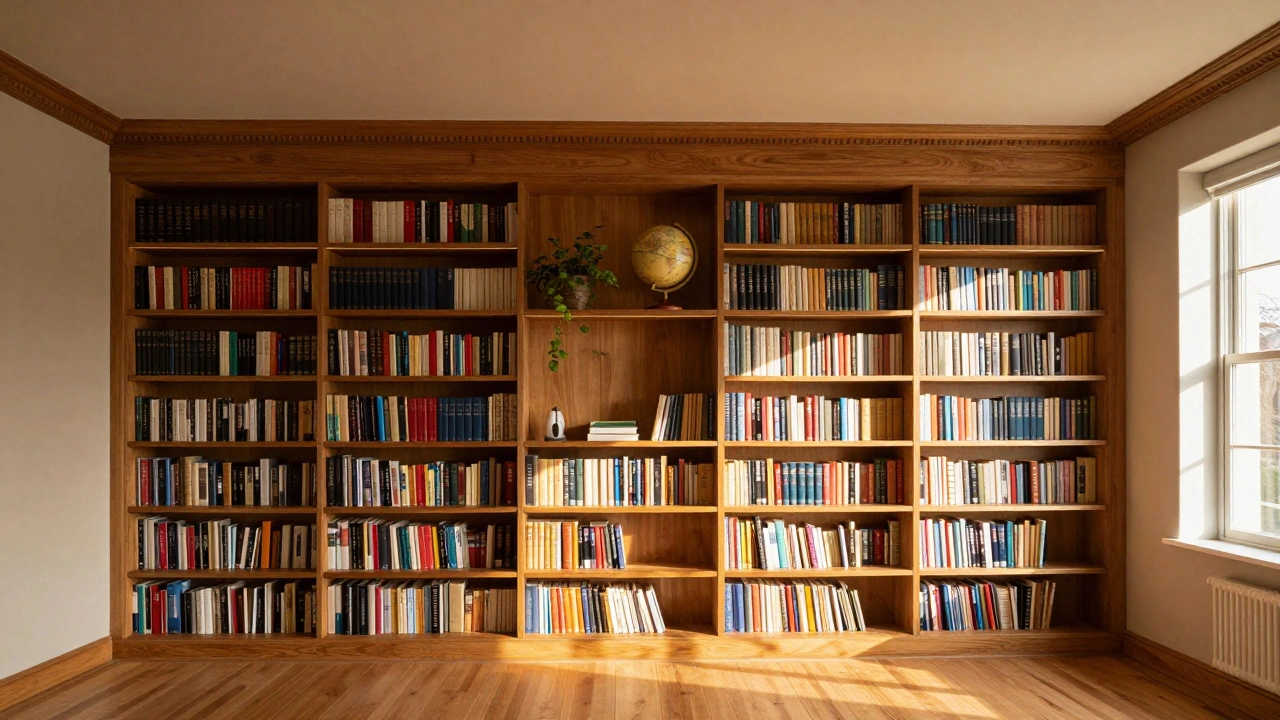
Most people who install bookshelves that go all the way to the ceiling do it because they want to maximize storage. In a small living room or a narrow hallway, every inch counts. If you’ve got 200 books, 50 collectibles, and a few framed photos, stacking them vertically is the smartest way to avoid clutter on the floor or coffee table. In older homes in Leeds-like the ones with 10-foot ceilings-you lose a lot of space if you stop the shelves at 7 or 8 feet. That unused top section just becomes a dust trap. But when you fill it with books or decorative boxes, the room feels taller, more intentional. It’s not just storage-it’s architecture. A 2024 survey by the British Interior Design Association found that 68% of homeowners who installed ceiling-height built-ins reported feeling their space was more organized and visually complete. That’s not just about aesthetics. It’s about reducing mental clutter. When everything has a place, your brain relaxes.The Downsides Nobody Talks About
But here’s the catch: ceiling-height shelves aren’t always practical. If you’re not 6 feet tall or don’t have a sturdy step ladder, reaching the top shelves becomes a chore. I’ve seen people in their 70s struggling to dust the top row, or kids knocking over a stack trying to grab a favorite novel. Then there’s the cost. Custom-built shelves that run from floor to ceiling need solid wall anchoring, extra brackets, and sometimes structural reinforcement. A standard 6-foot shelf might cost £300 to build. A full-height version? £800 to £1,500, depending on materials and labor. And don’t forget cleaning. Dust gathers faster on top shelves, and vacuuming or wiping them down isn’t as easy as swiping a cloth across a lower shelf. If you’re not willing to climb up twice a month, you’ll end up with a dusty, neglected top section that looks worse than if you’d left the space empty.What Works Better Than Going All the Way Up
You don’t have to choose between floor and ceiling. There’s a middle ground that most professionals recommend: stop 6 to 12 inches below the ceiling. That gap does three things:- It leaves room for crown molding or a decorative trim, which softens the look and adds detail.
- It makes the top shelf reachable with a standard step stool-no ladder needed.
- It creates a visual resting point. The eye doesn’t feel overwhelmed by a wall of books.

When Ceiling-To-Ceiling Makes Sense
There are times when going all the way up isn’t just okay-it’s the best choice. If you have:- A home office or study with 200+ reference books or binders you rarely touch
- A child’s room where you want to hide toys or seasonal items behind closed doors
- A narrow room where you need every square inch of storage
- A modern design style that values clean, uninterrupted lines
Design Tips for Built-In Bookshelves
Whether you go full height or stop short, these tips make a difference:- Shelf depth: 10 to 12 inches is perfect for most books. Go deeper if you have large art books or collectibles.
- Spacing: Leave some shelves taller-14 inches-for larger items. You don’t want to cram everything in.
- Lighting: Add LED strip lights under the front edge of each shelf. It makes books pop and turns the wall into a feature.
- Finish: Match the wood tone to your floor or trim. A mismatched shelf looks like an afterthought.
- Doors or open? Closed doors hide dust and clutter. Open shelves feel more inviting. Pick based on your lifestyle, not just looks.
Real-Life Example: A Leeds Living Room
I helped a couple in Roundhay renovate their 1930s semi. They had a 9.5-foot ceiling and a collection of 400+ books. Their old shelves stopped at 7 feet. The wall above looked dead. We built shelves to 8.5 feet, added a 6-inch gap, and installed a thin wooden trim that ran across the top. Above that, we mounted two floating shelves with a small plant and a vintage globe. The result? The room felt taller, more curated, and still easy to clean. They didn’t need a ladder. No one got hurt.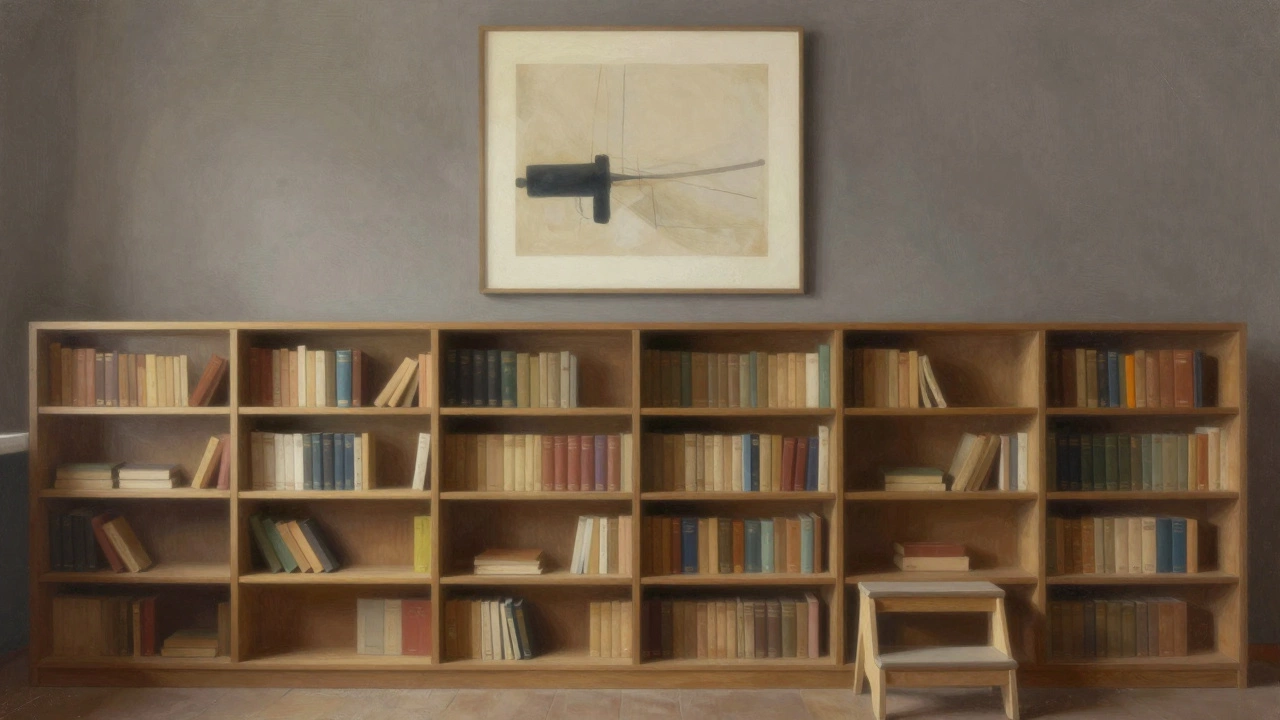
Final Decision Checklist
Ask yourself these five questions before you commit:- Do I need every inch of storage space, or am I just trying to fill the wall?
- Can I safely reach the top shelf without a ladder?
- Am I willing to clean the top shelves regularly?
- Does the ceiling height make the room feel cramped or grand?
- Will this look good in 5 years, or is it just a trend?
What About the Dust?
Dust is the real enemy of ceiling-height shelves. If you hate cleaning, don’t fill the top. Use closed cabinets there instead. Or install a glass door panel on the upper section-it keeps dust out but still shows off your collection. I’ve seen people use decorative panels, fabric, or even wallpaper in that top gap. It turns an unused space into a design element. One client in Horsforth painted hers a soft charcoal and hung a single large print above the shelves. It looked like art, not storage.Bottom Line
Ceiling-height bookshelves aren’t right for everyone. But they’re not wrong either. The best solution isn’t the tallest one-it’s the one that fits your life. Storage should serve you, not the other way around.Are ceiling-high bookshelves worth the extra cost?
It depends. If you have a lot of books or need maximum storage in a small space, yes. But if you’re paying extra just to fill empty wall space, it’s not worth it. A full-height shelf can cost 2-3 times more than a standard one, and you’ll need to factor in maintenance. Only go all the way up if you’ll actually use the space.
Can I install ceiling-height bookshelves myself?
Only if you’re experienced with carpentry and wall anchoring. Built-ins need to be securely fastened to wall studs, and ceiling-height shelves put a lot of weight on the structure. If you’re not confident, hire a professional. A poorly installed shelf can collapse under heavy books.
What’s the ideal height for the top shelf?
Aim for 8 to 8.5 feet from the floor. That’s high enough to maximize storage but low enough to reach with a standard step stool. Leave 6 to 12 inches below the ceiling for trim or design elements. This balance looks intentional and is practical for daily use.
Do ceiling-height bookshelves make a room feel smaller?
Not if done right. Low shelves can make a room feel cramped because they leave dead space above. Ceiling-height shelves draw the eye upward, creating the illusion of height. The key is balance-don’t overload the shelves with clutter, and use lighting and open space to keep it from feeling heavy.
Should I use glass doors on the top shelves?
Yes, if you’re worried about dust or have fragile items. Glass doors protect your collection without hiding it. Frosted or clear glass works well. Just make sure the doors open smoothly and don’t interfere with the shelf structure. It’s a small upgrade that adds both function and elegance.