Furniture Storage Duration Calculator
Calculate Your Furniture's Storage Life
See how long your furniture will last based on material and storage conditions
Storing furniture isn’t just about tucking it away until you need it again. If you do it wrong, that couch you loved could end up warped, musty, or cracked - and you won’t even know why until you try to use it. People think storage is just a pause button for their stuff, but the truth is, furniture storage life depends on what you store, how you store it, and where you store it. It’s not magic. It’s science - and a little common sense.
What Happens to Furniture in Storage?
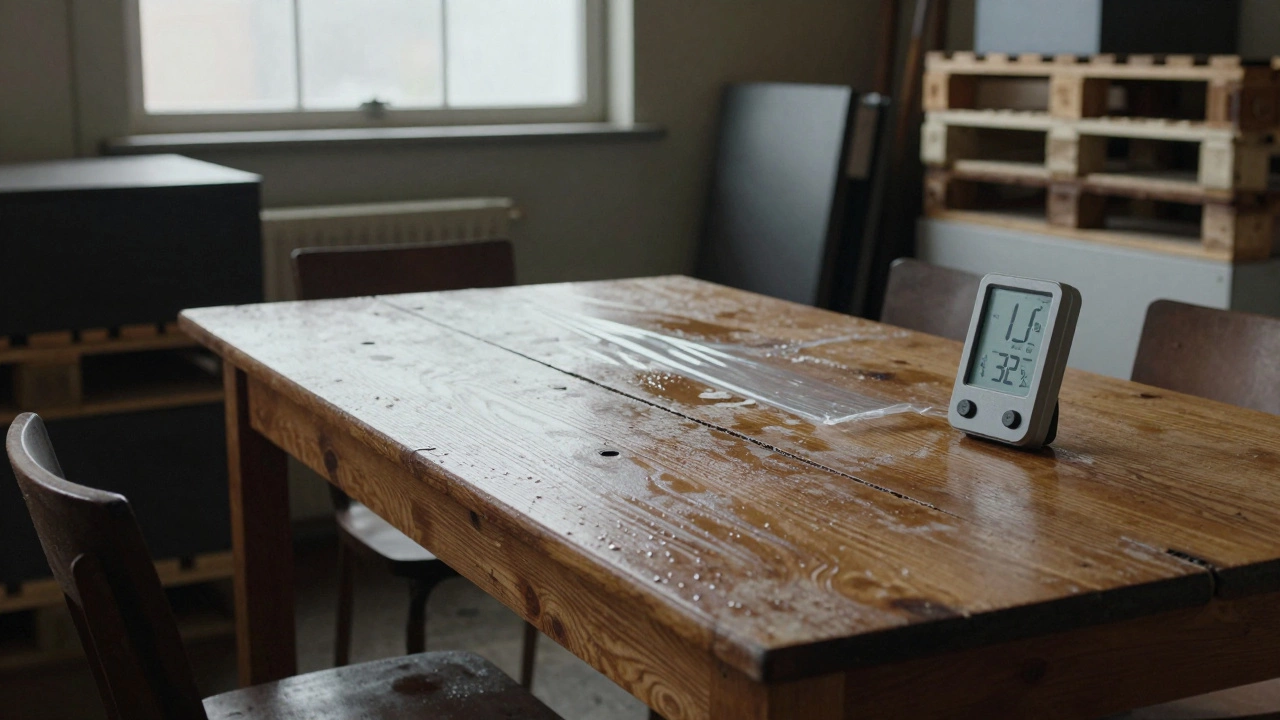
Furniture doesn’t just sit there quietly. It reacts. Wood swells and shrinks. Fabric gathers moisture. Metal rusts. Leather dries out. Even if it’s covered in plastic, the environment inside that storage unit is alive with changes in temperature and humidity. In the UK, where damp winters and humid summers are the norm, these shifts are constant. A wooden dining table stored in a non-climate-controlled unit in Leeds can crack along the grain in six months if the humidity drops below 35%. That’s not a guess - it’s what the Wood Technology Institute found in their 2023 humidity tests on UK-stored furniture.Upholstered pieces like sofas and armchairs are even more vulnerable. Dust mites, mold, and mildew thrive in dark, still air. If your sofa sits wrapped in plastic for a year, you’re not protecting it - you’re creating a greenhouse for bacteria. The fibers trap moisture, and without airflow, they start to break down. That’s why you sometimes pull out a stored item and it smells like a damp basement, even if it looks fine.
How Long Can Different Types of Furniture Last in Storage?
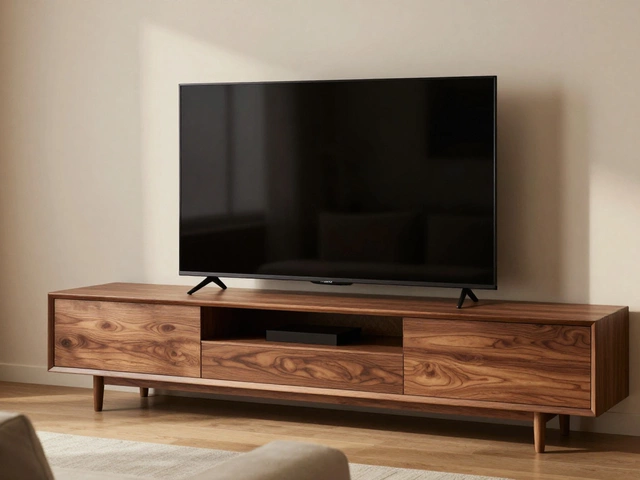
Not all furniture is built the same. The material tells you everything you need to know about how long it’ll survive storage.- Solid wood furniture - If it’s well-made (think oak, walnut, teak), and stored at 40-50% humidity and 15-20°C, it can last 5-10 years without damage. But if it’s cheap particleboard or MDF? Don’t even try. It’ll swell, crumble, or fall apart in under a year.
- Upholstered furniture (sofas, chairs) - 1-3 years max. Beyond that, the foam loses its bounce, the fabric fades, and the lining starts to mildew. Even if you cover it in breathable cotton sheets, the stuffing inside is still trapped.
- Metal furniture - Can last 10+ years if it’s powder-coated or stainless steel. But if it’s bare iron or thin chrome? Rust will creep in fast. Condensation is the silent killer here.
- Mattresses - Store them flat, on a raised platform, in a breathable cover. Not plastic. Not rolled up. If you roll a memory foam mattress for more than 3 months, the foam cells break permanently. You’ll lose support. A spring mattress? If it’s stored on its side for more than 6 months, the coils can warp. Don’t do it.
- Glass and acrylic pieces - These are fragile, but not biodegradable. Keep them upright, padded, and away from anything that could shift and scratch. They’ll last decades if not bumped or exposed to extreme heat.
Storage Conditions That Kill Furniture
You don’t need a fancy climate-controlled unit to protect your stuff - but you do need to avoid these three killers:- Moisture - The #1 enemy. Humidity above 60% invites mold. Below 30% makes wood brittle. The sweet spot? 40-50%. Use a hygrometer. They cost less than £10.
- Temperature swings - Going from freezing to 30°C in a week stresses materials. Wood expands and contracts. Glue fails. Joints loosen. Avoid garages, sheds, or attics in the UK. They’re temperature rollercoasters.
- Direct sunlight - Even through a window. UV rays fade fabrics and dry out leather. That beautiful armchair you stored near a window? It might look fine, but the colour’s gone, and the leather’s cracking from the inside.
One real example: A customer in Bradford stored a mid-century oak dresser in a rented unit with no climate control. After 14 months, the drawers wouldn’t open. The wood had swollen from damp. He paid £200 to get it restored. He could’ve saved that - and the stress - by spending £15 on a dehumidifier and checking it every month.
How to Store Furniture the Right Way
Here’s what actually works - based on what professional movers and restoration experts do in the UK:- Clean everything first. Dust, oils, and crumbs attract pests and mold. Wipe wood with a dry microfiber cloth. Vacuum upholstery. Wash removable covers.
- Disassemble when possible. Take legs off tables, detach arms from sofas. Fewer parts mean less stress on joints. Keep screws and hardware in labeled zip-lock bags taped to the item.
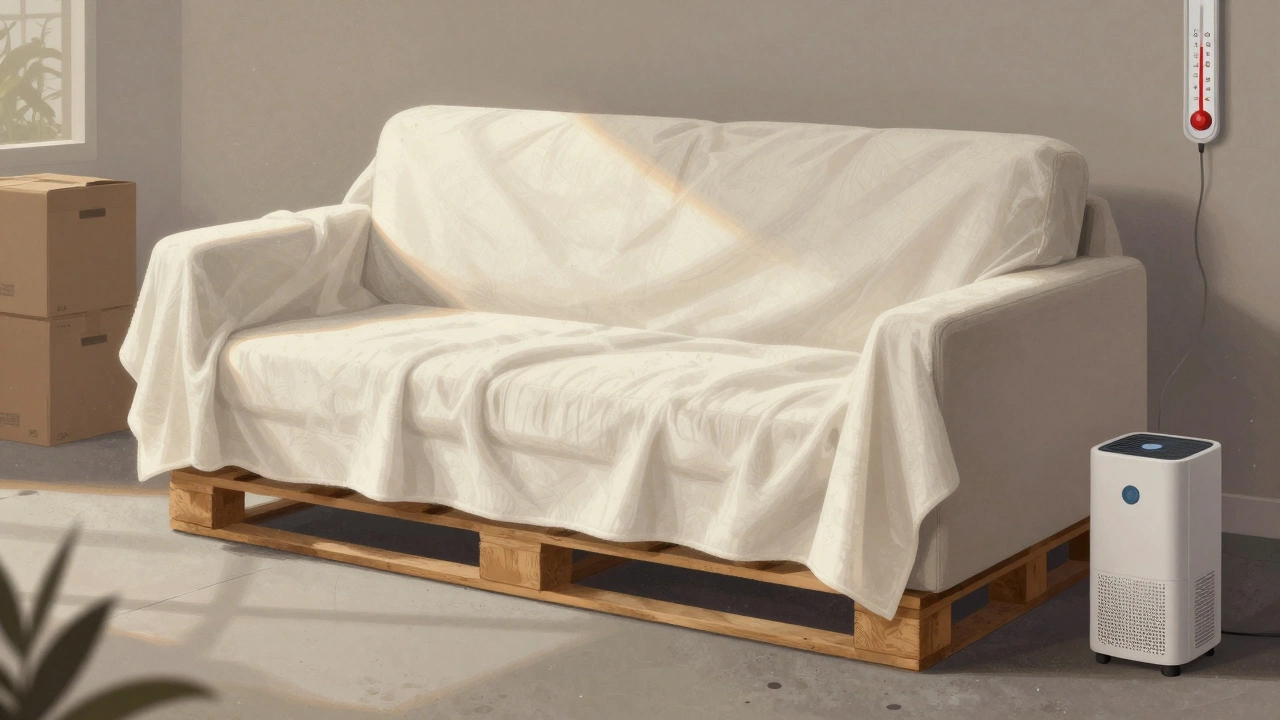
- Use breathable covers. Cotton sheets or specialized furniture moving blankets. Not plastic. Plastic traps moisture. If you must use plastic, leave a small gap at the bottom for air to move.
- Keep furniture off the floor. Use wooden pallets or plastic risers. Even a 2-inch gap stops moisture from creeping up from concrete.
- Store upright. Sofas and dressers should stand on their feet. Never lay a sofa flat - it crushes the springs and cushions. Lean mirrors and glass tables against a wall, not on their face.
- Check every 60-90 days. Walk in, open a cover, sniff. Look for damp spots, odours, or pests. If you see anything, act fast. Mold spreads in 48 hours.
What About Climate-Controlled Storage?
Yes, it helps - but it’s not a magic fix. A climate-controlled unit keeps temperature and humidity steady, which is great for long-term storage (over 2 years). But if you’re only storing for 6 months, the extra cost isn’t always worth it. In the UK, a standard unit with good ventilation and a dehumidifier can do 80% of the job for half the price.Here’s the math: A 10x10 climate-controlled unit in Leeds costs about £120/month. A standard unit? £65. A small dehumidifier? £40 one-time. Add a hygrometer (£12) and some breathable covers (£30). Total: £82. You’ve saved £38 a month - and you still have control.
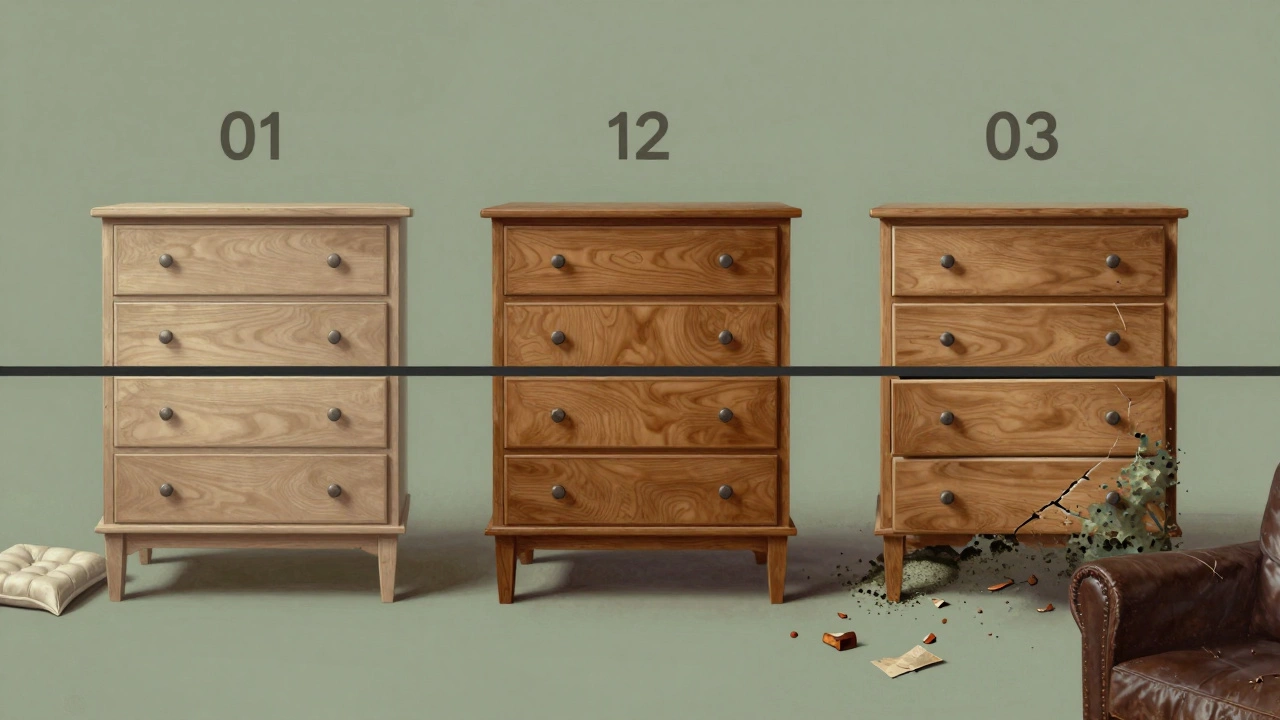
Signs Your Stored Furniture Is Damaged
Don’t wait until you’ve moved it into your new home to find out it’s ruined. Watch for these red flags:- Musty, damp smell - even after airing it out
- White, fuzzy spots on fabric or wood - that’s mold
- Warping or gaps in joints - wood has moved
- Leather feels stiff or cracks when you bend it
- Foam doesn’t bounce back - it’s compressed past recovery
- Loose screws or wobbly legs - glue failed
If you see any of these, don’t just try to clean it. Take photos. Contact a furniture restorer. Some damage is fixable. Some isn’t. But you’ll know faster if you check early.
When to Just Let It Go
Not everything is worth saving. If your furniture is:- Over 20 years old and already worn
- Low-quality particleboard or plastic
- Already damaged before storage
- Not sentimental or valuable
- then storing it is a waste of time and money. Sell it, donate it, or recycle it. The energy and cash you spend storing junk could go toward something better. I’ve seen people store a £50 IKEA bookshelf for 3 years because they ‘might need it.’ When they pulled it out, it was falling apart. They paid £150 to fix it. They could’ve bought two new ones.
Final Rule: Storage Isn’t Forever
The longest any piece of furniture should sit in storage is 3 years. After that, the risk of irreversible damage spikes. Even the best-stored oak dresser will slowly lose its finish. The springs in a sofa will lose tension. The glue will get brittle. It’s not a matter of if - it’s a matter of when.Plan your storage like you plan a vacation. You don’t leave your car parked in the sun for six months. You don’t leave your clothes in a damp suitcase. Treat your furniture the same. Check it. Breathe it. Respect it. And when the time comes to bring it back into your life, it’ll still be worth loving.
Can I store furniture in my garage?
Only if it’s dry, insulated, and you use breathable covers. Most garages in the UK get cold in winter and humid in summer. Condensation forms on furniture, especially metal and wood. If your garage isn’t climate-controlled, it’s risky. Better to use a self-storage unit with good ventilation.
Should I wrap my sofa in plastic?
No. Plastic traps moisture and creates a breeding ground for mold and mildew. Use a cotton furniture cover or moving blanket instead. If you must use plastic, leave a small opening at the bottom for air to circulate.
How do I know if my mattress is ruined after storage?
If it doesn’t bounce back after you press on it, if it smells musty even after airing out, or if you see visible sagging or lumps, it’s likely damaged. Memory foam that’s been rolled for over 3 months won’t recover. Spring mattresses that were stored on their side may have bent coils. Test it before you sleep on it.
Is it safe to store leather furniture?
Yes, but only if you condition it first. Leather dries out in low humidity. Clean it with a damp cloth, then apply a leather conditioner before storing. Store it upright, away from heat sources, and cover it with a breathable fabric. Never use plastic.
How often should I check stored furniture?
Every 60 to 90 days. Open a cover, sniff for odours, check for damp spots, and make sure nothing’s shifted. If you see mold or pests, act immediately. Early detection saves the piece - and your wallet.