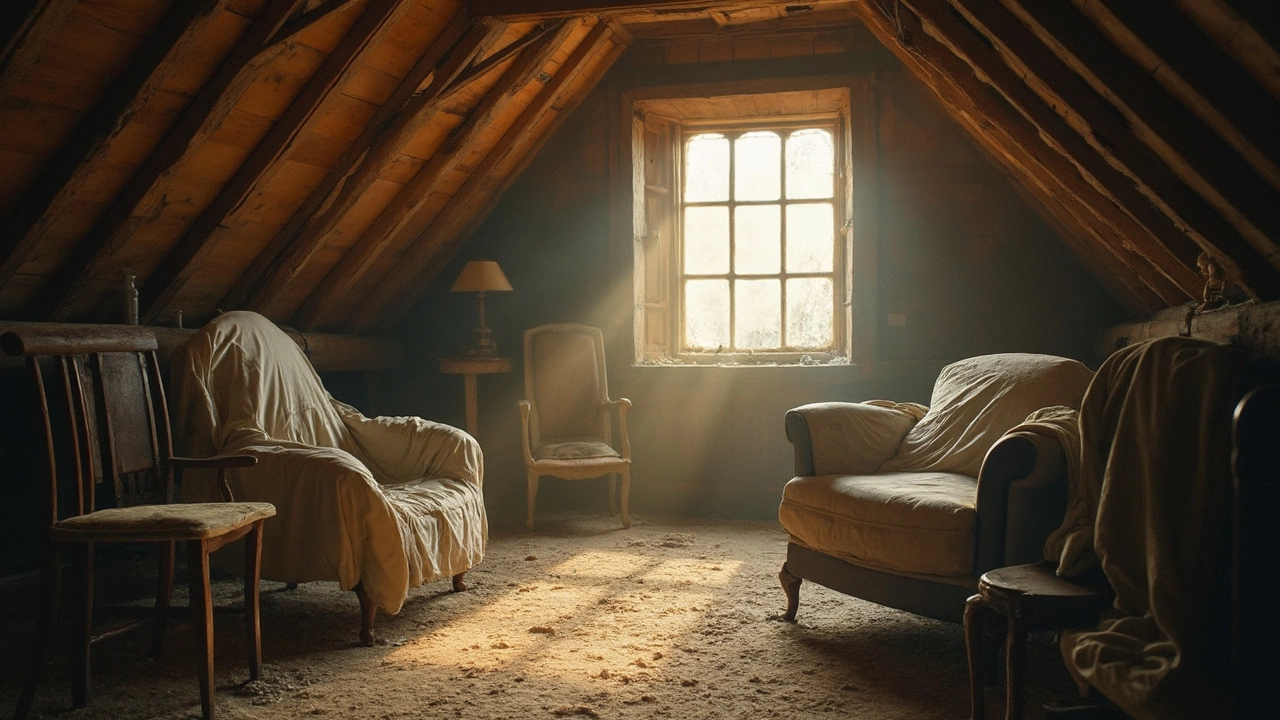
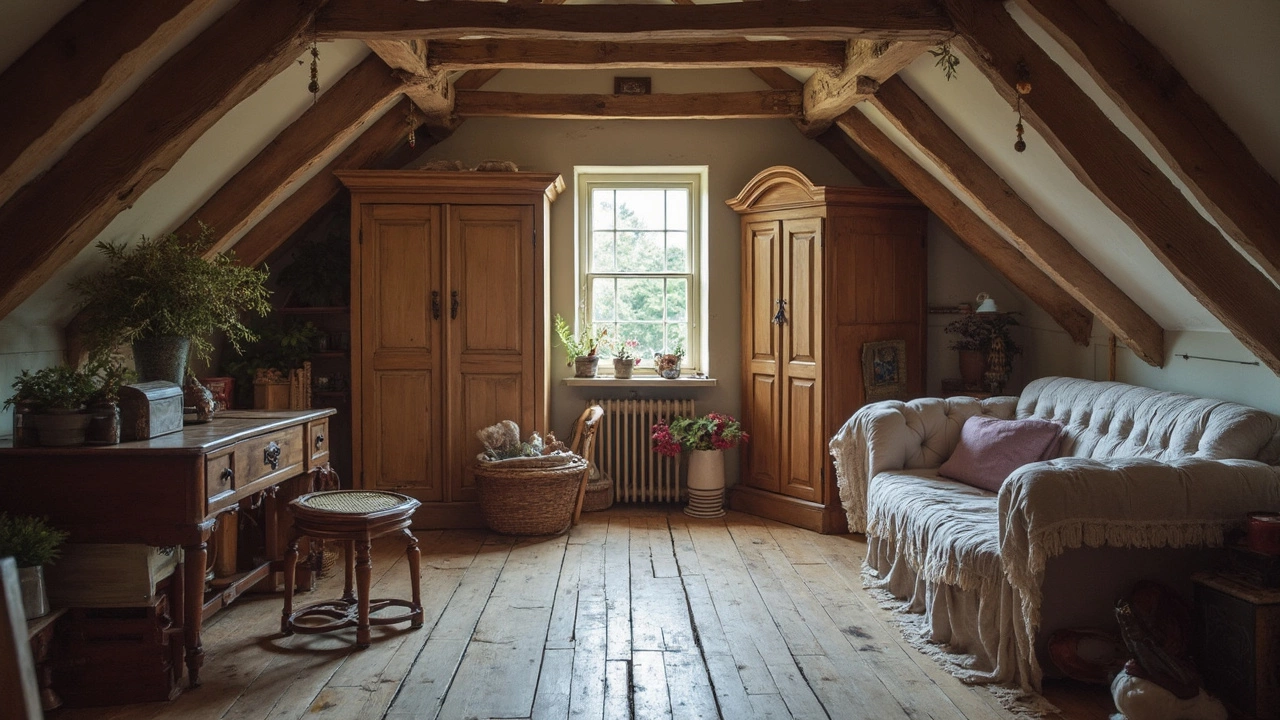
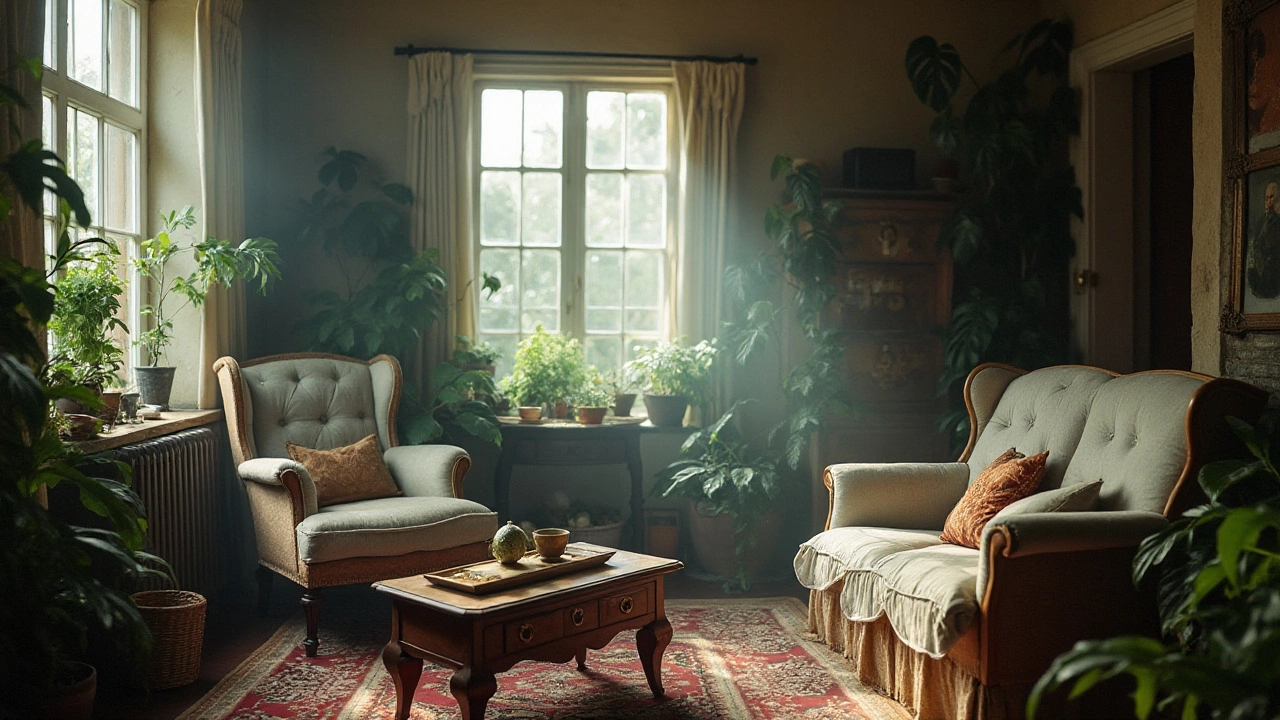
Storage Tips to Protect Your Furniture

Ever wonder why a beloved oak cabinet ends up warped after a summer in a storage unit? The culprit is usually simple – moisture, temperature swings, and bad packing habits. Below are straightforward steps you can follow right now to keep any piece, from a sofa to a wine rack, in top condition.

Control Moisture and Temperature

Wood loves stable climates. If you store furniture in an unheated garage or a damp basement, the wood will absorb water, swell, and eventually crack. Use a portable dehumidifier or place silica gel packets inside drawers and cabinets. Seal gaps in the garage door with weather‑stripping to stop cold drafts from getting in. If you must use a storage unit, choose a climate‑controlled one – the extra cost pays off in avoided repairs.

For fabrics, humidity is the enemy of mold. Keep the relative humidity below 60 % and ensure good airflow. A small battery‑operated fan can move air around a stack of boxes, preventing the stale, musty smell that leads to mildew.

Pack Smart, Not Fancy

Start by cleaning every piece. Dust, grime, and spilled liquids are breeding grounds for mold and pests. Wipe down wood with a lightly damp cloth and let it dry completely before you wrap it.

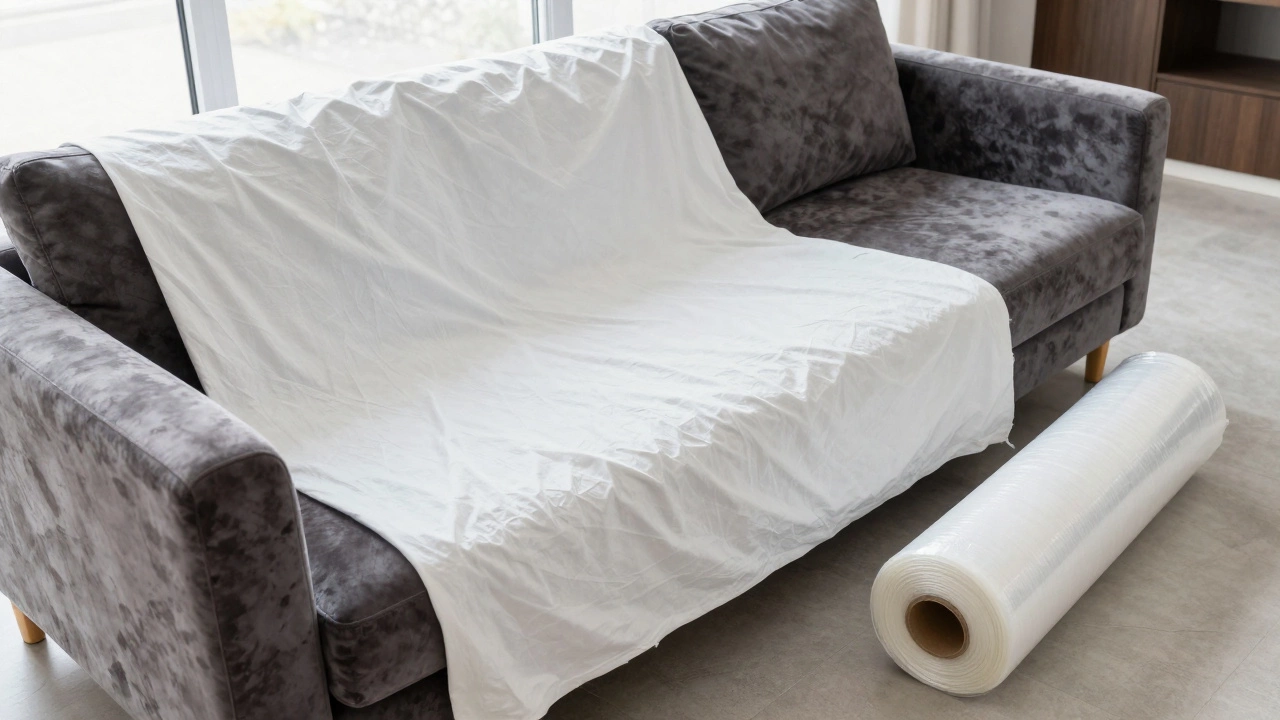
Wrap items in breathable materials – cotton moving blankets work better than plastic wrap, which traps moisture. For delicate legs or carved details, add a layer of bubble wrap for shock protection, but don’t seal the whole piece in plastic.

Lay heavy items flat on the floor of the unit, not on pallets that can trap water. If you stack boxes, place a sheet of plywood between each layer to distribute weight evenly and keep corners from getting crushed.

Don’t forget pest control. Mice dislike strong scents like peppermint or cedar. Place a few sachets in corners of the storage space, and avoid storing food items near furniture.

Finally, label every box and take a quick photo of each piece before it goes in storage. When it’s time to bring things back, you’ll know exactly what needs extra attention.

Following these simple habits saves you money, time, and the heartbreak of discovering a warped table or a moldy sofa after months away. Keep your furniture safe, and it’ll stay beautiful for years to come.
Best Materials to Wrap Furniture for Storage and Moving

Best Materials to Wrap Furniture for Storage and Moving

Desmond Lockwood Apr. 30 0

Discover the best materials to wrap furniture for storage and moving. Compare stretch wrap, moving blankets, and bubble wrap to protect your home decor and furniture.

More Detail
Can You Fit a Couch in a 10x10 Storage Unit? Here's What Actually Fits

Can You Fit a Couch in a 10x10 Storage Unit? Here's What Actually Fits

Desmond Lockwood Mar. 12 0

Learn whether a couch fits in a 10x10 storage unit, which sizes work best, how to move it safely, and what else you can store alongside it. Practical tips for real-life storage in damp climates like Leeds.

More Detail
Best Ways to Cover Furniture in Storage

Best Ways to Cover Furniture in Storage

Desmond Lockwood Apr. 12 0

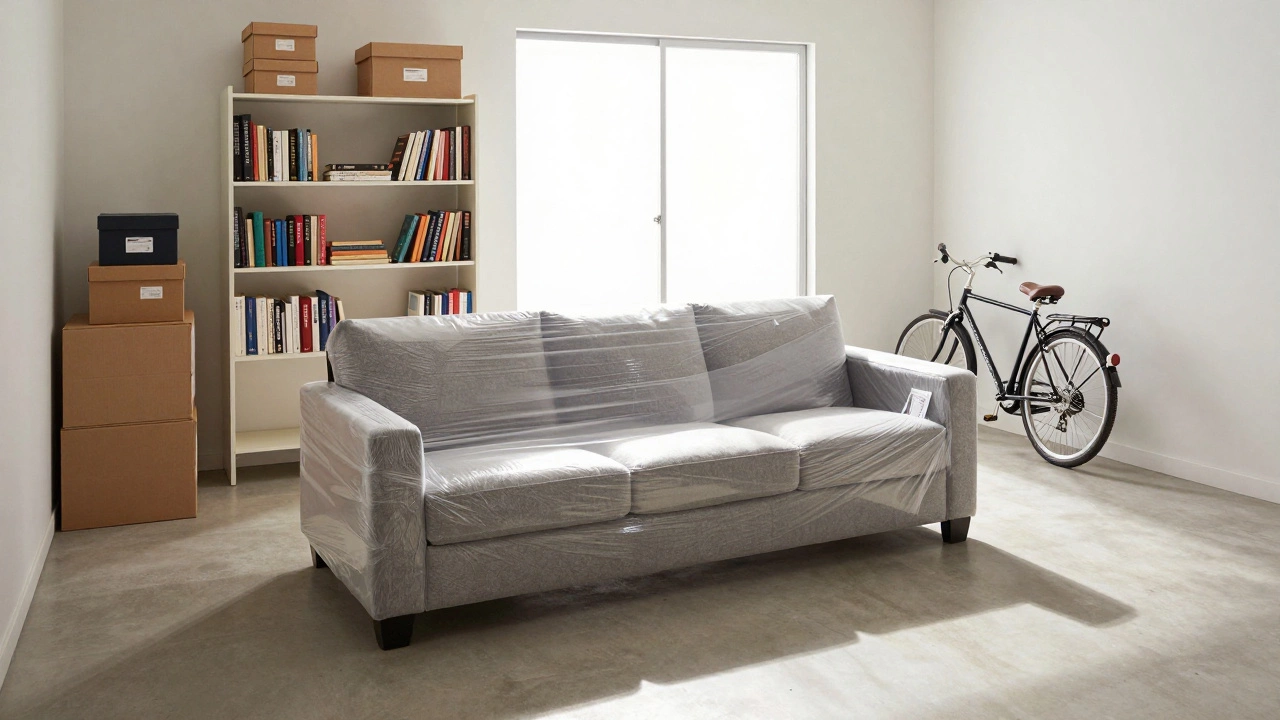
When storing furniture, it's not just about fitting items into a space; it's ensuring they stay in good shape. Covering furniture properly prevents dust, moisture, and pests from wreaking havoc. Discover essential tips and materials suited for different types of furniture. Learn how to make the most of your storage solutions while keeping your possessions safe and sound.

More Detail
Does Furniture Mold in Storage? Tips to Keep Yours Safe

Does Furniture Mold in Storage? Tips to Keep Yours Safe

Desmond Lockwood Feb. 22 0

Storing furniture can often lead to unexpected issues, like mold. This article explores why mold develops, the conditions that exacerbate it, and practical steps to prevent it. By understanding these factors, you can keep your furniture safe and mold-free during storage. Let's dive into some effective tips and tricks to winter-proof your stored items.

More Detail
Is It OK to Store Furniture Wrapped in Plastic?

Is It OK to Store Furniture Wrapped in Plastic?

Desmond Lockwood Feb. 20 0

Storing furniture properly is crucial to maintain its condition. While wrapping furniture in plastic might seem like a good idea, it can lead to moisture buildup and mold growth. Discover the best alternatives for furniture storage, including breathable covers and storage environment tips. Learn how to keep your furniture safe while in storage.

More Detail
Prevent Mold: Keep Your Furniture Safe and Fresh

Prevent Mold: Keep Your Furniture Safe and Fresh

Desmond Lockwood Oct. 26 0

Mold growth on furniture can be both unsightly and damaging. To keep your furniture in top condition, it's important to understand the causes of mold growth and the steps you can take to prevent it. This article explores effective strategies for maintaining your furniture's appearance and integrity by managing humidity, ensuring proper ventilation, and selecting the right materials and cleaners. Discover practical tips and insights to safeguard your furniture from unwanted mold.

More Detail
Recent posts
The Rule of Thumb for Coffee Table Size

Choosing the right size coffee table is crucial for a well-balanced living room. This article explains the key dimensions and spacing tips to consider when picking out a coffee table. From ideal heights and lengths to helpful placement guidelines, you'll find practical advice tailored to your space. Learn how to enhance both style and function in your living area with the perfect coffee table.

How Far Off the Floor Should a 55 TV Be? Your Placement Guide

Getting the height right for your 55-inch TV isn't just about looks—it can save your neck and eyes from a lot of strain. This article breaks down the best height for mounting or placing your TV based on eye level and room layout. You'll find tips on measuring, what to avoid, and clever tricks to make your setup family-friendly. Real-life advice means your TV doesn't just fit in, it works for how you watch. Let's make sure you get the best seat in the house, every time.

How Far Apart are the Legs on a 65 Inch TV?

Wondering how far apart the legs are on a 65-inch TV? This question holds key importance for anyone looking to pair their TV with the right stand. In this article, we explore the typical leg spacing of such TVs and provide insightful tips on setting it up. Understanding the measurement can ensure your TV stand fits perfectly and supports the screen securely. Additionally, we'll share some helpful advice on the optimal placement for the best viewing experience.

About Us

Storage Furniture, Home Decor